
Related videos:
The New York Times published an article attributing the collapse of the Cuban health system and related deaths to the oil embargo imposed by the Trump administration, in a piece co-authored, among others, by the British journalist Ed Augustin, a correspondent based in Havana.
The text exclusively blames Executive Order 14380 from President Donald Trump, signed on January 29, for the current health crisis, disregarding decades of prior structural deterioration.
The measure imposed tariffs on countries that sell oil to Cuba, accelerating the energy crisis following the cessation of shipments from Venezuela and Mexico.
The Cuban national electrical system collapsed this week for the third time in four months.
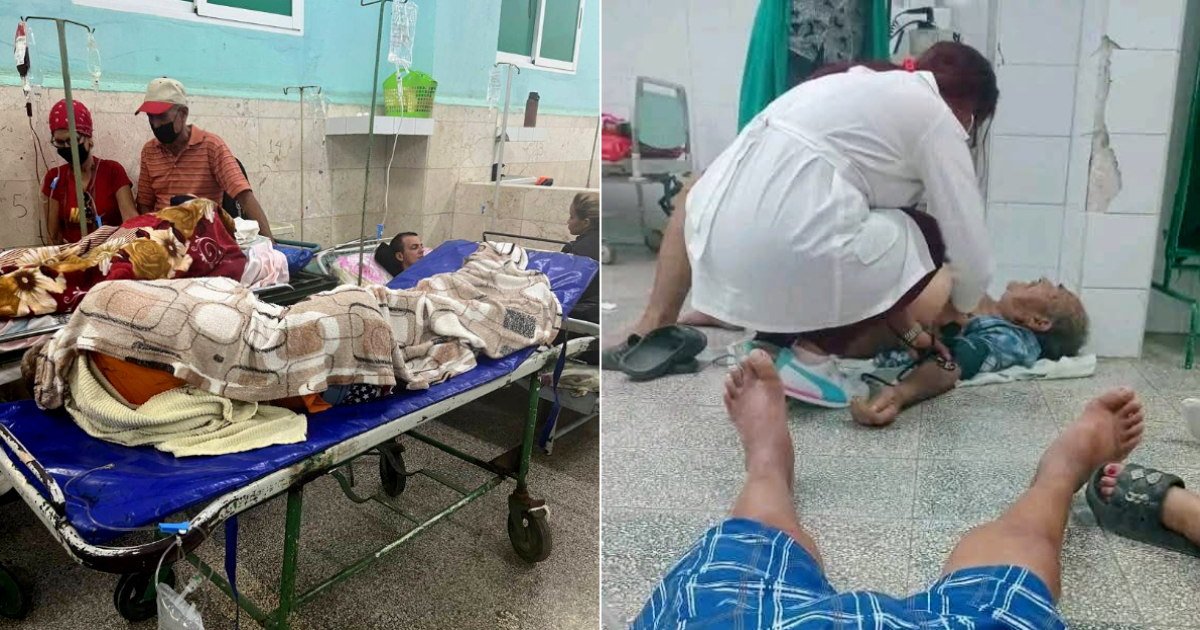
However, the crisis of the Cuban healthcare system is well documented as a structural problem that predates Trump's measures by far.
Between 2010 and 2022, the regime closed 63 hospitals, 37 medical clinics, 187 maternal homes, and 45 dental clinics. Only between 2021 and 2022, Cuba lost more than 12,000 doctors, 7,414 nurses, and over 3,000 dentists due to emigration.
By 2024, pharmacies and hospitals lacked more than two-thirds of the medications their patients needed, and infant mortality had more than doubled between 2016 and 2025.
By the end of 2025, before Trump signed the executive order, Cuba was already facing one of its worst health crises: approximately three million people were sick and at least 8,700 deaths occurred due to dengue and chikungunya epidemics.
In October 2024, two hurricanes and two earthquakes damaged 385 health facilities. The surgical waiting list currently stands at 96,387 patients, of which 11,193 are children.
The narrative of the New York Times fits within a pattern of misinformation that has already produced a verifiable episode this week.
On March 24, the Hermanos Ameijeiras Clinical Surgical Hospital publicly refuted the Argentine journalist Carlos Montero -who has a background in Telemundo, CNN en Español, and five Emmy awards- who reported that patients on ventilators had died due to power failures attributed to the U.S. embargo.
The text, which went viral, raised alarm and fueled various narratives about the hospital crisis in Cuba due to the frequent breakdowns of the National Electric System.
The hospital did not deny that blackouts are occurring in medical institutions across the country. Montero, on his part, deleted the post but kept a repost that insisted on the same narrative.
The author of the New York Times article, Ed Augustin, has a controversial profile regarding Cuba.
In March 2024, his Cuban ex-partner, Adilen Sardiñas publicly accused him of preventing their son from leaving Cuba. "He talks a lot and condemns the injustice of the 'blockade' against Cuba, while he is now the one creating this blockade against his own son," Sardiñas said at that time.
In February, the Minister of Health, José Ángel Portal Miranda, stated that the system is "on the verge of collapse" and that "it is not rhetoric to say that this situation could put lives at risk."
The Director General of the WHO described the health situation in Cuba as "deeply concerning." Both assessments reflect a crisis rooted in 67 years of communist dictatorship, not just two months of oil sanctions.
Filed under: