
Related videos:
The Department of Homeland Security (DHS) of the United States is acquiring empty commercial warehouses across the country to convert them into immigration detention centers for the Immigration and Customs Enforcement (ICE), as part of a $38.3 billion plan approved in July 2025; the measure has faced criticism and has been labeled as "human warehouses" that do not provide guarantees for individuals.
According to an article from The Wall Street Journal, the strategy is funded by the so-called One Big Beautiful Bill Act, which allocated $45 billion for immigration detention, tripling ICE's annual budget and ensuring its funding through 2029.
The plan includes acquiring and converting 24 warehouses: 16 regional processing centers and eight "mega centers" with a capacity of up to 10,000 detainees each, based on a model known as "Hub and Spoke," where four smaller centers feed into larger concentration facilities.
The goal is to reduce the total number of detention facilities from approximately 300 to just 34 before the end of fiscal year 2026.
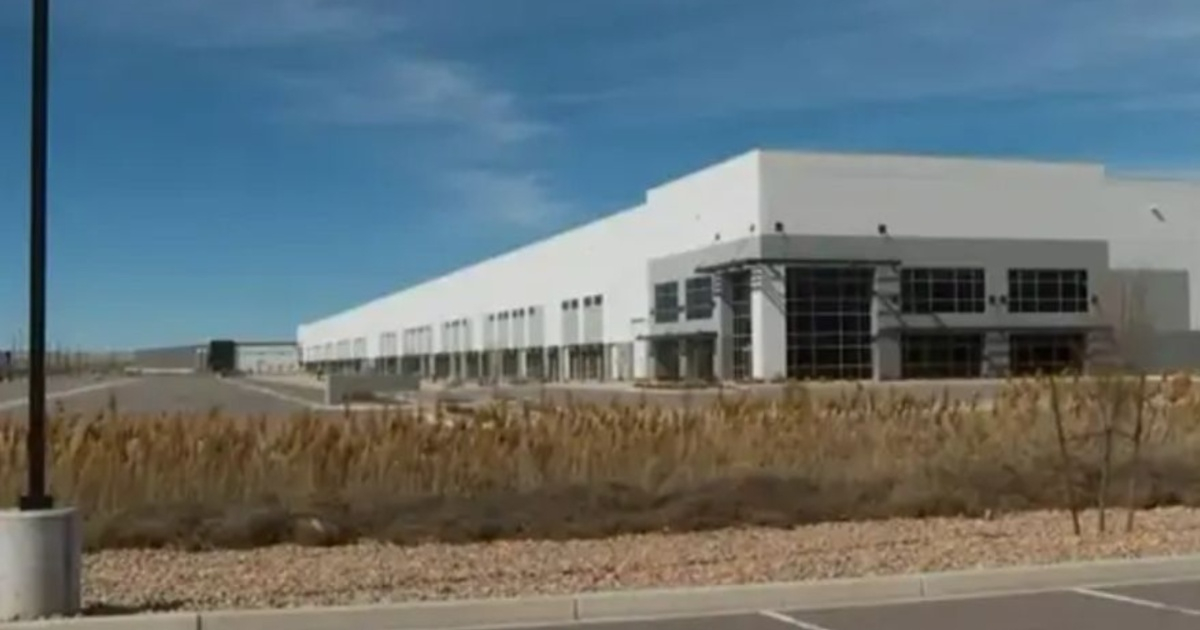
Among the most notable purchases is a warehouse of over 833,000 square feet near Salt Lake City Airport, acquired on March 11 for $145 million, which became the first dedicated ICE detention center in Utah. ICE estimates that the project could generate nearly 10,000 jobs in the region.
In January 2026, DHS purchased another 400,000 square foot warehouse in Surprise, Arizona, for $70 million, and awarded a $313 million contract to GardaWorld Federal Services for its renovation and operation, with capacity for up to 1,500 migrants.
Internal documents indicate a partial opening for 250 people at the end of May, with full operation possibly in September.
In February 2026, DHS acquired a one-million-square-foot warehouse in Social Circle, Georgia, for $128.6 million, designed to house between 7,500 and 10,000 detainees, in a location with a population of fewer than 5,500 residents.
Local authorities blocked the water meter of the warehouse, stating that "water and sewage services will not be available" until ICE resolves the infrastructure issues. The city estimates that constructing the necessary infrastructure would cost $44 million and take at least 28 months.
"Human warehouses"
The expansion has generated strong community and political opposition in multiple states.
The mayor of Salt Lake City, Erin Mendenhall, promised to use "all the tools at the city's disposal" to block the installation.
Utah state senator Luz Escamilla and representative Angela Romero were more straightforward: "An ICE detention center has no place in our state."
In Surprise, Arizona, more than 100 residents protested during a five-hour City Council meeting, and one demonstrator described the project as a "human warehouse". In Virginia, a similar agreement collapsed under public pressure on the seller.
The detention capacity of ICE increased from less than 40,000 people in January 2025 to over 70,000 at the beginning of 2026, the highest recorded figure, with the goal of exceeding 100,000 beds.
Before February 2025, ICE owned only 10 of the 220 facilities it used for detention.
The conditions in the existing centers have been the subject of serious complaints: lights on 24 hours a day, worms in the food and lack of medical attention. In 2025, 32 people died in ICE custody, the highest number in 20 years, and in the first months of 2026, six additional deaths in custody and two fatal shootings involving agents were already recorded.
Filed under: