
Related videos:
The Polish government has issued a high-level alert for its citizens, urging them to avoid all travel to Cuba, including family or business trips, amid the escalating energy and economic crisis facing the country.
The decision is significant. In diplomatic language, such warnings are issued only when a destination is deemed high-risk, even for experienced travelers.
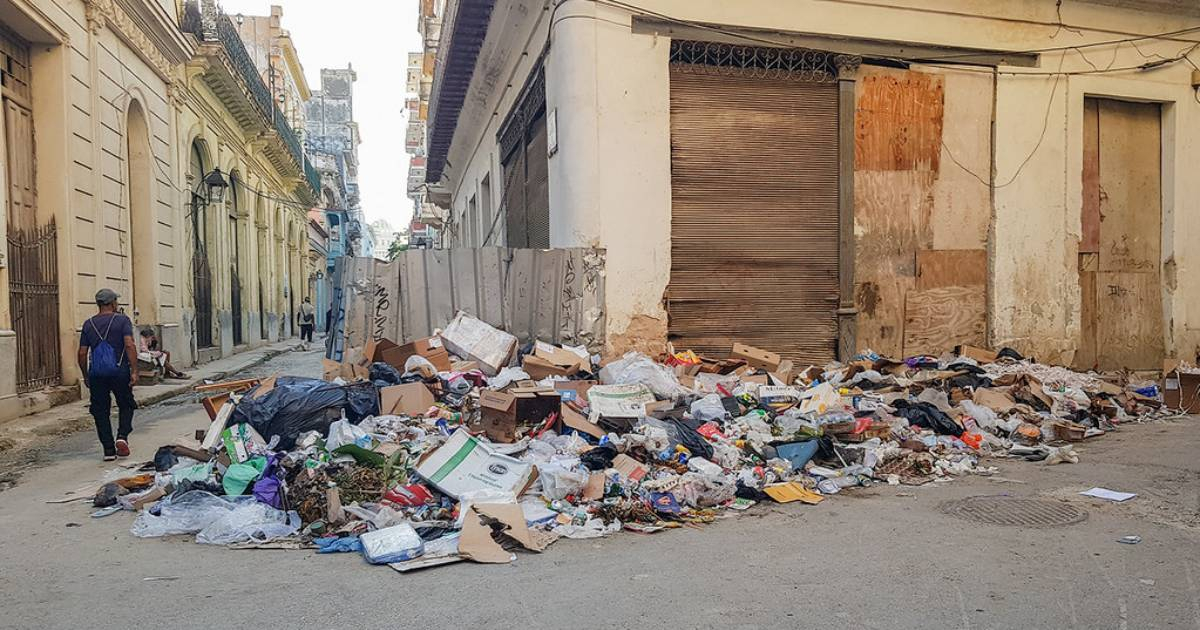
Polish authorities justified the measure by citing the worsening fuel and electricity crisis, which has led to constant blackouts, disruptions in transportation, and a progressive collapse of basic services.
But there is one particularly sensitive point: the capacity of the Cuban state to respond to emergencies. According to the notice, this has been seriously limited, which could leave visitors —and also residents— in vulnerable situations in the face of any unforeseen events.
The warning also mentions risks that go beyond logistical concerns. Poland has alerted about the possibility of social protests that could impact security, in a context where the accumulated tension due to shortages and power outages is becoming increasingly evident.
For travelers, the described scenario is concerning: sudden changes in accommodations, difficulties accessing drinking water, issues with healthcare services, failures in communications, and unstable or nonexistent transportation in many areas.
Another element of concern for Warsaw is its own capacity to respond. The Polish embassy in Havana may face difficulties in assisting its citizens, especially outside the capital, due to transportation and fuel limitations.
This movement does not occur in isolation. In recent months, several governments have intensified their travel advisories for Cuba, reflecting an increasingly widespread perception: the crisis is no longer isolated, but structural.
For Cubans, both on the island and abroad, this type of warning carries significant symbolic weight. Not only does it impact tourism—one of the few sources of income for the country—but it also confirms to the world a reality that many live daily: power outages, shortages, and an uncertainty that permeates all aspects of life.
Meanwhile, the question lingering in the air is not just whether foreigners should travel to Cuba or not, but how much longer a situation that is already being perceived from the outside as a risk can be sustained.
Filed under: