
Related videos:
The Kremlin confirmed on Monday that the shipment of Russian oil to Cuba was not a unilateral decision, but a maneuver previously discussed with the United States, amid the energy crisis affecting the island.
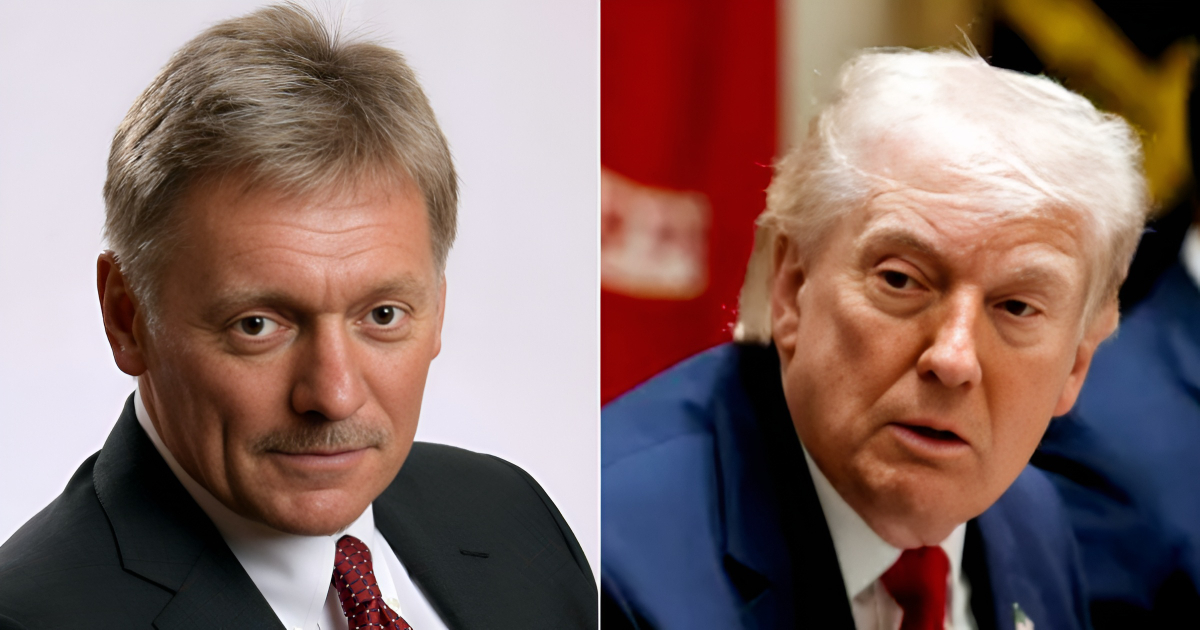
The Russian presidential spokesperson, Dmitri Peskov, stated that Moscow discussed with Washington the possibility of conducting “humanitarian” oil supplies prior to the arrival of the tanker Anatoli Kolodkin, which carried about 100,000 tons—equivalent to nearly 730,000 barrels—towards Cuba.
“This issue was raised in advance during contacts with our American counterparts,” Peskov stated in remarks reported by the TASS agency, confirming that the administration of Donald Trump not only allowed the shipment but was also aware of the operation.
The official recognition reinforces the idea that the flow of oil to Cuba is currently conditioned by decisions made in Washington. According to the Kremlin itself, the United States does not oppose periodic shipments for humanitarian purposes from Russia or other countries.
This turn comes at a time of intense energy pressure on the Cuban regime, which needs about 100,000 barrels daily to sustain its electrical system and economy. The received shipment barely covers about a week of consumption, amidst prolonged blackouts and an electricity deficit exceeding 2,000 megawatts.
At the same time, Russia is facing increasing difficulties in exporting its oil. In recent days, Ukraine has intensified attacks on key ports such as Primorsk—from where the Anatoli Kolodkin departed—and Ust-Luga, affecting the infrastructure that supports its international sales.
In this context, the shipment to Cuba reflects a delicate geopolitical balance: while Washington allows certain supplies to avoid a total collapse on the island, it also maintains pressure on the regime and on Russia's own export capacity.
More than a simple humanitarian gesture, the agreement highlights how the Cuban energy crisis increasingly relies on external decisions in a global landscape marked by war and strategic competition.
Filed under: