
Related videos:
While Cuba endures blackouts of up to 20 to 30 hours daily and an unprecedented energy crisis, the U.S. naval base at Guantánamo operates as an island of relative abundance within the island, fully supplied from the United States and completely unaffected by the collapse experienced by the 10 million Cubans on the other side of the minefield.
This is how journalist Carol Rosenberg describes it in a report published last Monday in The New York Times, titled "As Trump Squeezes Cuba, U.S. Military Exists in a Bubble," which offers a unique look inside the American enclave separated from the rest of Cuba by a minefield.
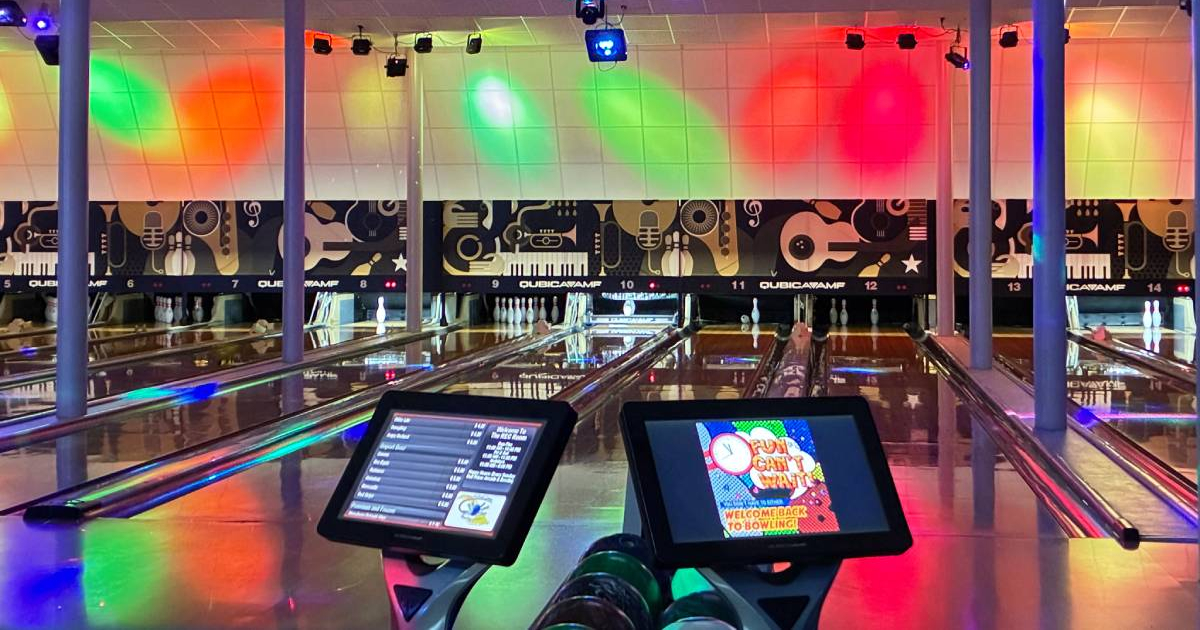
The base houses around 6,000 people including military personnel, civilians, and contractors. It features a modern bowling alley with QubicaAMF technology and neon lights, a Starbucks, a McDonald's operational since 1986, an Irish pub called O'Kelly's, cinemas showcasing Hollywood premieres, beaches, and a marina.
The images captured by Rosenberg show the bowling alley illuminated with colored lights and screens that announce "Fun can't wait!" and "Welcome back to the bowling alley!".
Meanwhile, Starbucks displays a handwritten sign that reads: "We currently do not have milk. Available drinks are cold coffee, brewed coffee, Americano, frappés, lemonade, and teas. We apologize for the inconvenience."
The infrastructure of the base makes it completely independent from the Cuban network: it has two reverse osmosis water treatment plants that process 2.5 million gallons daily, 25 storage tanks, 43 wells, and 50 additional generators with a capacity of up to 17,000 kilowatts.
Moreover, the base features 59 fuel tanks with a capacity of 35 million gallons, ensuring its total energy independence.
In a brutal contrast, Cuba suffered three total collapses of its national electrical grid in March 2026. The one on March 16 lasted 29 hours and 29 minutes. By March 25, the power availability was only 1,145 megawatts compared to a demand of 3,000, resulting in a deficit of 1,885 megawatts.
The Cuban energy crisis has worsened due to the simultaneous loss of its two main external sources of oil: Venezuela, which supplied between 25,000 and 35,000 barrels daily, cut off its supply after the capture of Nicolás Maduro on January 3, 2026, and Mexico suspended its shipments on January 9 due to the pressure of U.S. sanctions.
Cuba produces only 40,000 barrels of oil daily compared to a need of 110,000, with reserves that in February and March barely lasted for 15 or 20 days.
In this context, the administration Trump has intensified pressure on the regime. On January 29, the president signed the declaration of Cuba as an unusual and extraordinary threat through Executive Order 14380, and since January 2025 has imposed over 240 sanctions against the island.
Last Friday, Trump publicly stated that Cuba is finished, three days after declaring Cuba is next.
The Guantanamo Naval Base was established in 1903 under the Platt Amendment as a condition for ending the U.S. occupation following the Spanish-American War. It occupies 117 square kilometers and is separated from Cuban territory by a minefield. Fewer than 300 aging Cubans remain on the base, workers from decades ago who remain as special residents.
The Cuban GDP has fallen by 23% accumulated since 2019, with a projected additional decline of 7.2% in 2026, according to The Economist Intelligence Unit, making the current crisis the worst since the Special Period of the 1990s.
Filed under: