
Related videos:
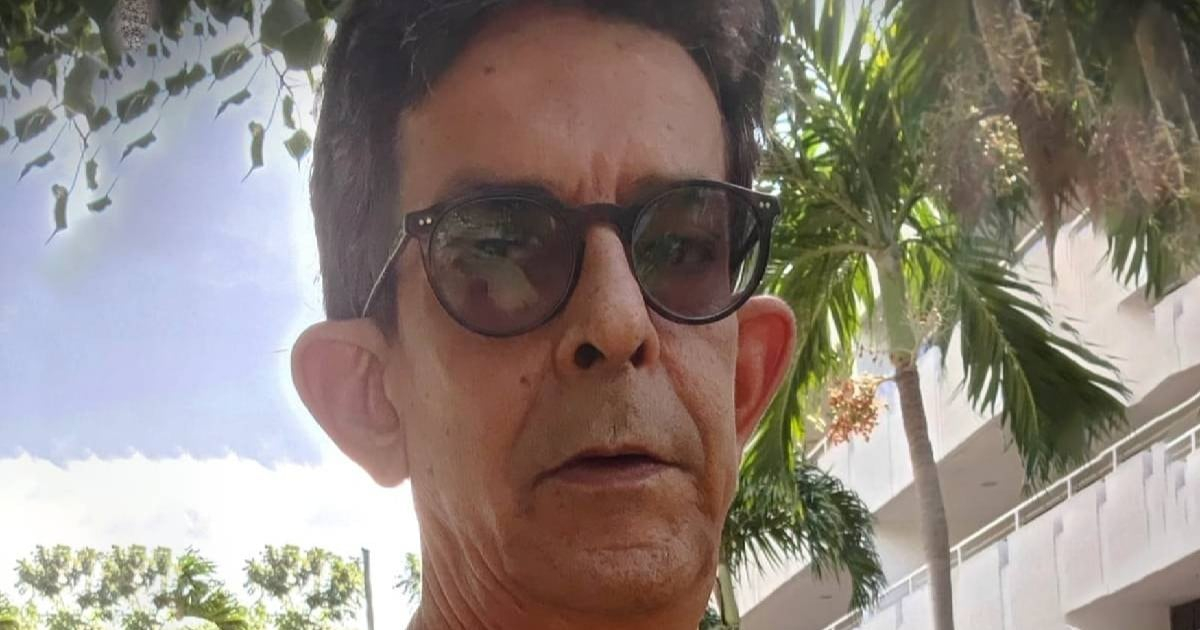
The Cuban comedian and actor Ulises Toirac published a lengthy text in defense of private medication sellers in Cuba on social media this Monday, arguing that without private sellers, there would be nowhere to tie up the goat for anyone, whether they can pay or not.
The post arose from a discussion in a friend's publication about the sale of medicines "on the black market," a topic that Toirac believed needed to be addressed candidly in light of the severe medication crisis facing Cuba.
In his text, the comedian acknowledges that these sellers operate outside the law, but he defends that the business itself is not morally blameworthy when the State is unable to ensure access to medications through official channels.
The publication arrives in a context of extreme shortage. According to recent data, 461 out of 651 basic medications are missing, and the situation has not improved: more recent reports indicate that only 30% of the Basic Medication List is available in the country’s pharmacies.
Among the products that are scarce is salbutamol, which has been unavailable in pharmacies for months, an essential bronchodilator for patients with asthma and other respiratory diseases.
Despite this situation, the Cuban authorities have intensified repressive actions against those who attempt to meet demand informally.
A recent police operation against informal sellers in Santiago de Cuba sparked a strong reaction on social media, where many citizens reported that these sellers are, in practice, the only source for accessing certain medications.
The government, for its part, has justified these actions as part of a public health control strategy.
In recent months, more than 5,000 joint operations between the Ministry of Health and MININT have been carried out, although critics point out that these measures worsen the situation by eliminating the few alternative distribution channels that exist.
The stance of Toirac reflects a broader debate within Cuban society regarding the criminalization of practices that, in the absence of an effective state response, have become survival mechanisms for thousands of families.
Filed under: