
Related videos:
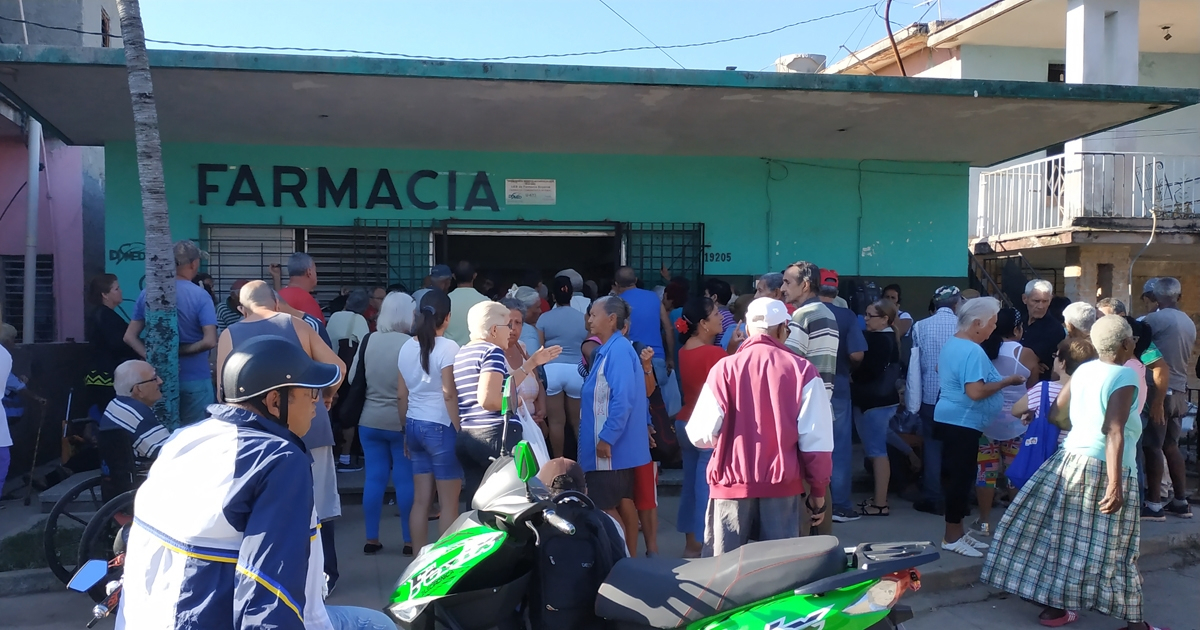
A police operation against the illegal sale of medication around the buildings known as the 18 Plantas de Garzón in Santiago de Cuba led to a wave of reactions on social media, where many citizens attributed the phenomenon to chronic shortages in state pharmacies.
The post, shared by the official page Héroes del Moncada, reported on police actions against individuals who, according to the text, had been engaged in the informal sale of domestically produced medicines for some time.
The page pointed out that some justify the practice as a form of solidarity aid, but argued that in many cases the products are sold "at prices higher than what they should normally cost," and encouraged people to "donate" the medications to those in need.
Following the publication, dozens of users questioned the measure and highlighted the underfunded state pharmacy network. Several comments agreed that, without that alternative market, many patients would have no access to basic treatments.
"Thanks to the illegal sale, I am alive," wrote a user who claimed that she cannot regularly find medications like Enalapril, Atenolol, or Amlodipine in state-run establishments.
Other internet users repeatedly questioned the origin of the national medications that appear on the resale market while remaining absent from official establishments. “Where do those national medications come from?” a commenter asked.
There were also indications that some of the products might come from hospitals, warehouses, or pharmacies, and that this is not an issue specific to that province, but rather a widespread practice across the country for many years.
Critiques are emerging in the context of a public health crisis acknowledged by the Minister of Public Health, José Ángel Portal Miranda, who on February 9th admitted on national television that the system is unable to meet the demand for medications and announced the promotion of natural and traditional medicine as an alternative in light of the shortages.
In recent days, the shortage of medications has been at the center of public debate. On February 7, it was reported about the death of a 26-year-old woman in Camagüey, whose relatives were unable to obtain norepinephrine in time at the hospital.
Days later, another complaint highlighted the sale in the informal market of nationally produced cardiovascular medications at prices much higher than the official ones, while they were not available in pharmacies.
The intervention in Santiago also occurs amid the energy and economic crisis faced by the country, which is heading towards collapse, and following the disclosure of a list of supplies and medications requested from Cuba to Mexico as part of a relief collection driven by the Morena party.
Filed under: