
Related videos:
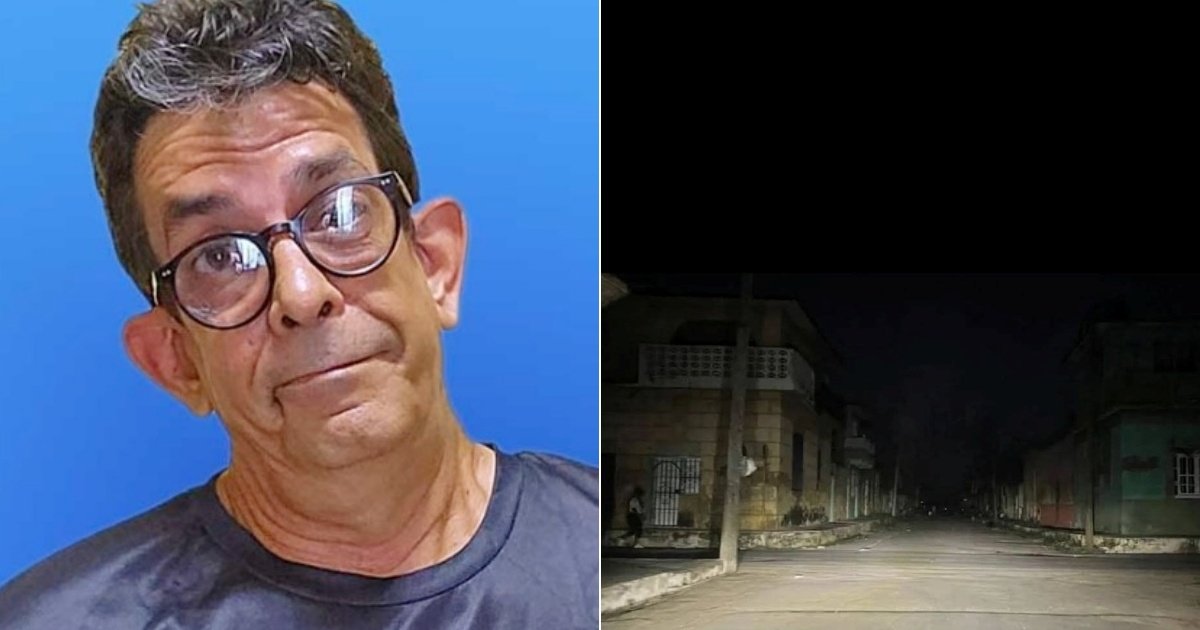
The Cuban comedian and engineer Ulises Toirac attributed the collapse of the national electrical system to decades of mismanagement and poor investment, when analyzing the current situation in the country.
According to a post on Facebook, the central problem lies in the fragility of the system, where the failure of one generation unit can trigger cascading failures due to deficiencies in the protective mechanisms.
Toirac explained that these protection systems, designed to prevent total disconnections, require advanced technology capable of operating in milliseconds, but their deterioration or absence increases the risk of failures.
The commentator also pointed out that in previous years these failures were not as visible due to a greater generation capacity, but the combination of aging plants and lack of fuel has caused the system to operate under conditions of high instability.
He also warned about the losses caused by power outages, both due to the general disconnection and the sudden increase in consumption when the service is restored, which adds pressure to the system.
In his analysis, Toirac was straightforward in pointing out the root of the problem: "30 years of imbalance due to poor investment policies (and not because of the blockade)," emphasizing that the crisis is a result of internal decisions accumulated over decades.
The statements come amid an energy crisis in Cuba marked by prolonged blackouts and difficulties in ensuring electricity supply to the population.
This is not the first time the comedian has criticized the regime and its disastrous investment policies in the energy sector through his social media.
In January, he expressed his deep concern about the energy and social crisis the country is facing, after reflecting on the effects of the electrical collapse on daily life.
Toirac stated that "the regime of darkness" in Havana already resembles the "criminal absurdity that has been experienced in the provinces for years, and that is… fatal."
According to him, the economic and energy situation continues a vicious cycle that hinders any recovery: "There is no money—there is no fuel—there is no electricity—there is no production—there is no money," he described, a cycle that deepens instead of easing.
Filed under: