
Related videos:
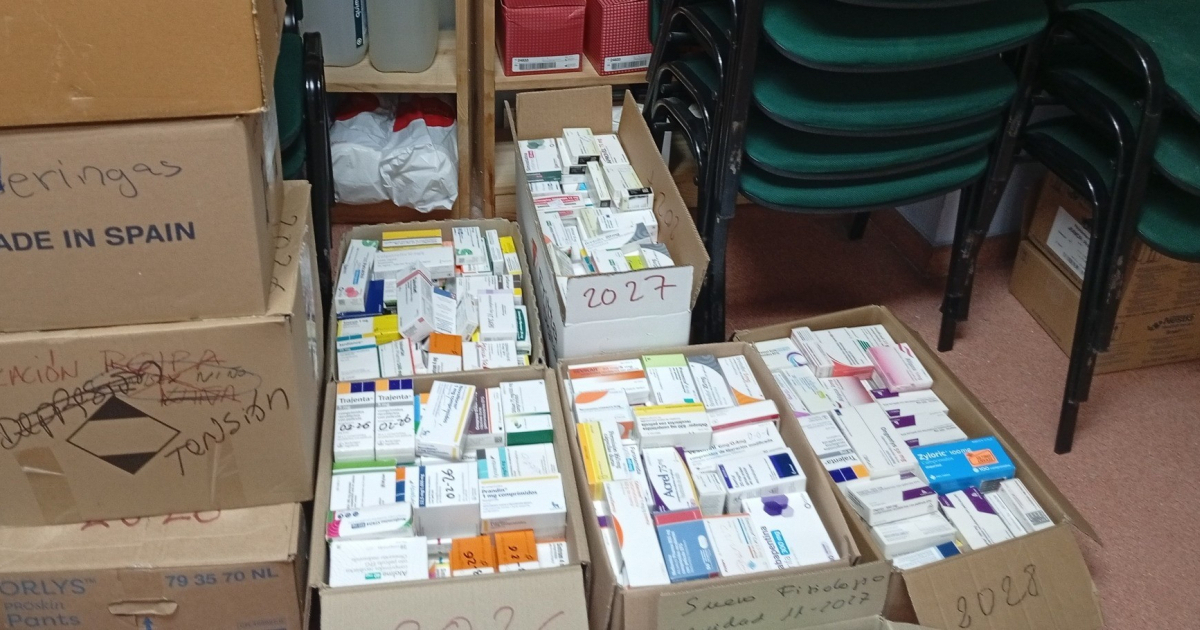
The president of the Namibian National Assembly, Dr. Saara Kuugongelwa-Amadhila, met this Wednesday in Windhoek with the Parliamentary Friendship Group and members of the Namibia-Cuba Friendship Association to discuss a concrete proposal for solidarity aid to the island, which is experiencing its worst economic and humanitarian crisis since the Special Period of the nineties.
According to a note published by the Ministry of Foreign Affairs of Cuba, the delegation from the Namibia-Cuba Friendship Association was led by former deputy Helmuth Kangulohi Angula, a recognized political leader and a prominent member of the South-West Africa People's Organization (SWAPO) during the liberation war against the South African occupation regime, and who held several ministries in the Namibian governments after independence.
The initiative aims to mobilize resources from multiple sectors: government, private and public companies, youth, religious institutions, and media, with the goal of articulating a unified national response to the challenges facing Cuba.
During the meeting, the importance of making the project's intention public was emphasized, highlighting that Cuba "has been an unwavering ally from Namibia's struggle against colonial oppression to the development processes following independence".
The statement from the Cuban Ministry of Foreign Affairs highlights that "the initiative emphasizes the enduring historical ties between Namibia and Cuba; it also constitutes a unified national response based on solidarity and internationalism."
The ties between the two countries date back to Operation Carlota, which began in November 1975 when Cuba intervened militarily in Angola to support African liberation movements.
More than 300,000 Cubans participated in missions on the continent over 16 years. The Battle of Cuito Cuanavale (1987-1988) was a turning point that accelerated the negotiations culminating in Namibia's independence on March 21, 1990.
In reciprocity, Namibia donated sunflower oil to the Cuban health system in September 2022 as a gesture of solidarity.
The crisis that motivates this initiative is of alarming proportions. The Cuban GDP has contracted by 23% since 2019, with an additional projected decline of 7.2% by 2026.
Power outages reach up to twenty hours daily in some provinces, there are 96,000 pending surgeries —11,000 in children— and over six million dollars worth of medical supplies blocked due to a lack of fuel.
The United Nations on March 24 a humanitarian plan of 94.1 million dollars for Cuba, aimed at assisting two million people in 63 municipalities across eight provinces.
However, as of April 7, the plan faced a funding shortfall of around sixty million dollars, which severely limits its scope.
The energy crisis worsened following the suspension of Venezuelan oil shipments and the entry into force of the Executive Order 14380 from the Trump administration, signed in January 2026, which imposes tariffs on countries that sell oil to Cuba.
This is not the first time that the President of the National Assembly of Namibia has expressed her support for Havana: back in January 2026, she had shown solidarity with Cuba during another crisis.
The new proposal, however, represents a more concrete step by involving multiple sectors of Namibian society in a coordinated, nationwide response.
Filed under: