
Related videos:
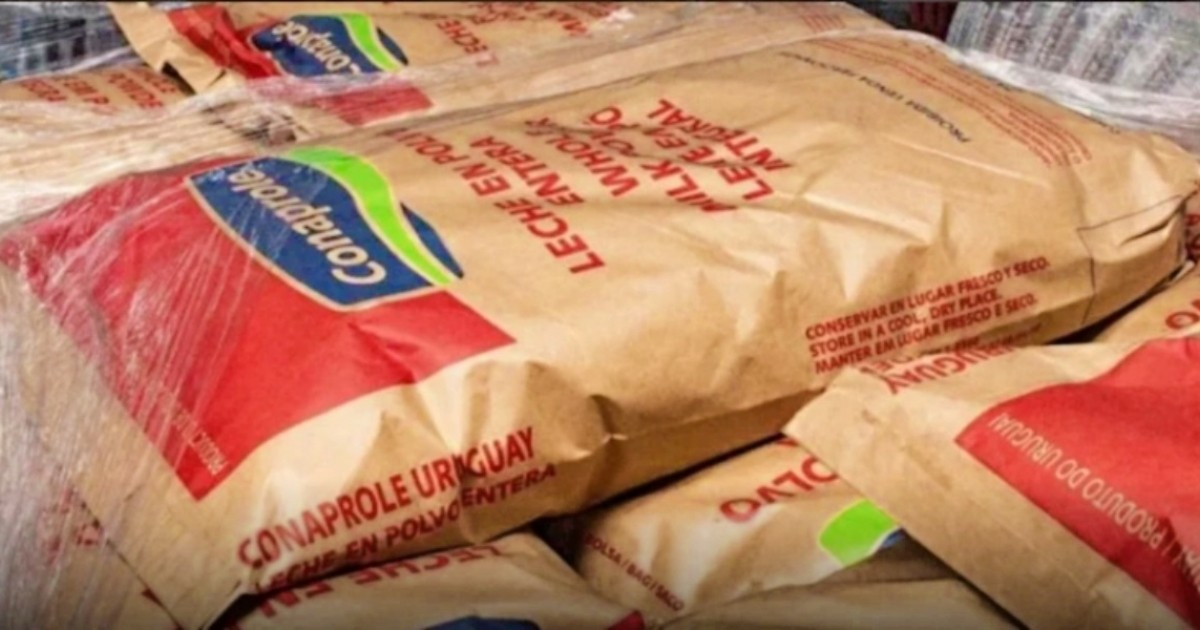
A group of 140 volunteers departed from Miami last month on a charter flight to Cuba, carrying 6,300 pounds of medical supplies and non-perishable food worth 433,000 dollars, amidst the worst energy crisis the island has faced in decades.
The initiative was organized by CodePink along with Progressive International, Cuban Americans for Cuba, and Global Health Partners, and was part of the "Nuestra América Convoy to Cuba," a broader international effort that brought together about 600 people from 36 countries over the weekend of March 21 to 23, contributing a total of about twenty tons of humanitarian aid, reported CBS News.
The supplies included neonatal equipment, pain relievers, catheters, and other critical hospital materials.
The convoy also coordinated the shipment of solar panels and generators worth over $500,000 for hospitals, as well as $100,000 in assistance for maternal centers.
Monica Garcia, a university student who traveled as a volunteer, described witnessing a total blackout during her stay on the island.
"Many people from the group went out to see how they were handling it. People were dancing in the street, playing music, and lighting small bonfires to illuminate the area. It was madness," said Garcia.
Alexander Edlan, another volunteer from a Cuban family who visited Cuba for the first time, was straightforward: "The people are not well. I believe it is my responsibility. I can't just stand by and do nothing."
The question that cannot be ignored is who is really receiving that assistance.
According to the organizers, medical supplies were delivered to hospitals in Havana, including Fajardo Hospital and various surgical hospitals, as well as family doctor clinics, centers for people with mental disabilities, and children's centers.
However, the distribution was coordinated through the Cuban Institute of Friendship with the Peoples (ICAP) and the Ministry of Public Health, meaning it went through the hands of the Cuban regime.
That detail is not insignificant. In contrast, the humanitarian aid sent by the United States government following Hurricane Melissa, amounting to nine million dollars in total, was exclusively channeled through the Catholic Church and Cáritas Cuba, specifically to prevent the regime from controlling it.
Furthermore, TV Azteca reported in March that part of the humanitarian aid sent to Cuba from Mexico was being sold in state-run stores of the regime.
Medea Benjamin, co-founder of CodePink and one of the organizers of the trip, attributed the Cuban crisis to U.S. sanctions.
"The conditions will not improve significantly as long as this naval blockade and this embargo make it difficult to do anything," he stated.
However, the energy crisis that Cuba is experiencing is largely the result of decades of an economic model that has destroyed the country's productive capacity.
Cuba experiences power outages of up to 24 hours daily, with generation deficits ranging from 1,500 to 2,000 megawatts.
The National Electrical System completely collapsed twice in March, on the 16th and the 22nd. This Easter Sunday, the projected impact was 1,752 megawatts during the nighttime peak.
On March 30, Trump exceptionally allowed the arrival of the Russian tanker Anatoly Kolodkin with 730,000 barrels at the port of Matanzas, enough for just two weeks of supply, according to expert Jorge Piñón from the University of Texas. Russia announced a second shipment.
Meanwhile, Democratic senators introduced a war powers resolution to prevent military action by the United States against Cuba without congressional approval, although its passage is unlikely with a Republican majority. Trump, for his part, warned that "the takeover could be friendly, or it might not be."
Filed under: