
Related videos:
A trip to Cuba that started as mere curiosity ended up becoming an experience that transformed their perspective on life. An American couple returned deeply impacted after immersing themselves in the everyday reality of the island, characterized by scarcity and shortages.
Grace and Nick Boersma, residents of Ada Township, Michigan, traveled at the end of January with the humanitarian organization First-Hand Aid to deliver medications and medical supplies to vulnerable communities in Cuba, according to a report from FOX 17 Michigan.
What they found there was much more than a humanitarian mission.
"It really made me reflect on the privileges I had that I had never considered as such before," Grace confessed upon her return, comparing her life in the United States with what she saw on the island.
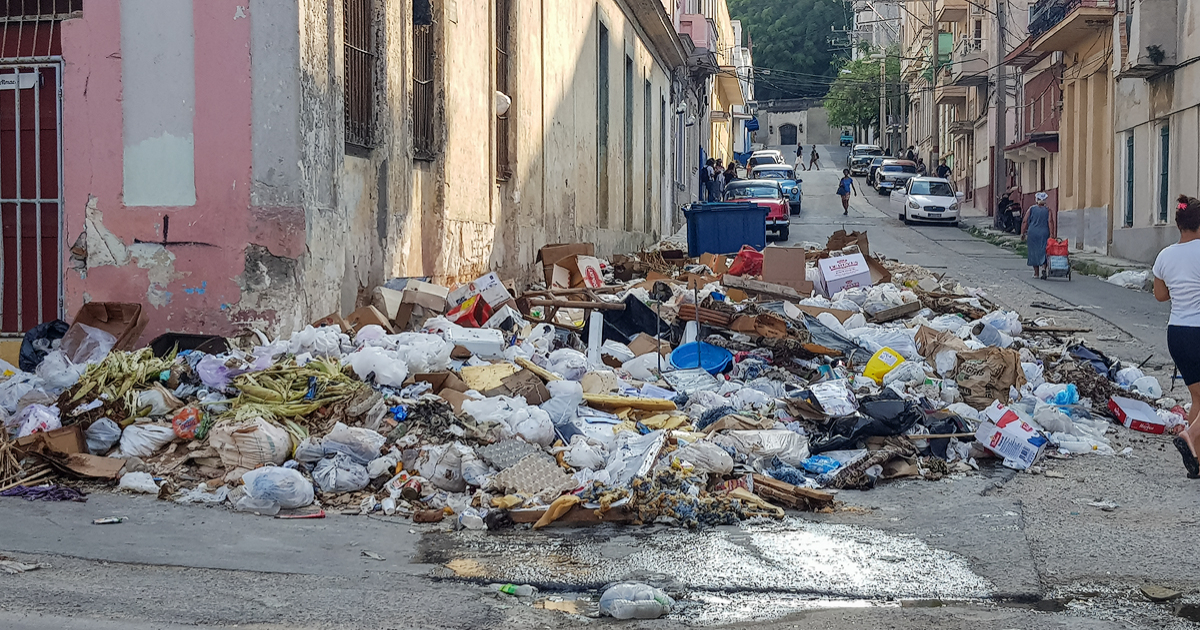
During the trip, the couple witnessed a crisis that, according to the founder of the organization, Marc Bohland, is the worst Cuba has faced in decades. The lack of fuel, food, water, medicines, and electricity is part of the daily life for millions of Cubans.
The aid they brought—basic medicines like ibuprofen, antibiotics, adult diapers, and supplies for the elderly—barely covers a few weeks of need. “Everything we bring can be gone in three or four weeks,” explained Bohland, who has been organizing this type of mission for over two decades.
But beyond the scarcity, what impressed the visitors the most was the contrast between material hardship and human warmth.
The couple not only provided assistance, but they also lived like Cubans: staying in private homes, enduring power outages of up to 18 hours a day, and sharing the daily routine of those who survive on the bare essentials. Still, they recall with amazement the generosity they encountered.
“Cubans are some of the most hospitable people I have ever met in my life,” Bohland affirmed.
Grace, for her part, does not forget the moment they handed out medications to a woman in charge of distributing them. “The happiness on her face was as if she were saying, ‘Now we can give people what they need,’” she recounted.
He was also struck by how, despite the scarcity, many families welcomed them with abundant food. “I remember that the meals were some of the best I've had in a long time,” he said, describing simple dishes but made with care and dignity.
Upon returning home, they are left with a feeling that is a mix of gratitude and responsibility.
"I realize how well we are," they acknowledged.
The experience didn't end with the trip. Now, both affirm that they will continue collaborating with the organization and sharing what they experienced, hoping that more people will understand the reality that Cubans face on the island.
Filed under: