
Related videos:
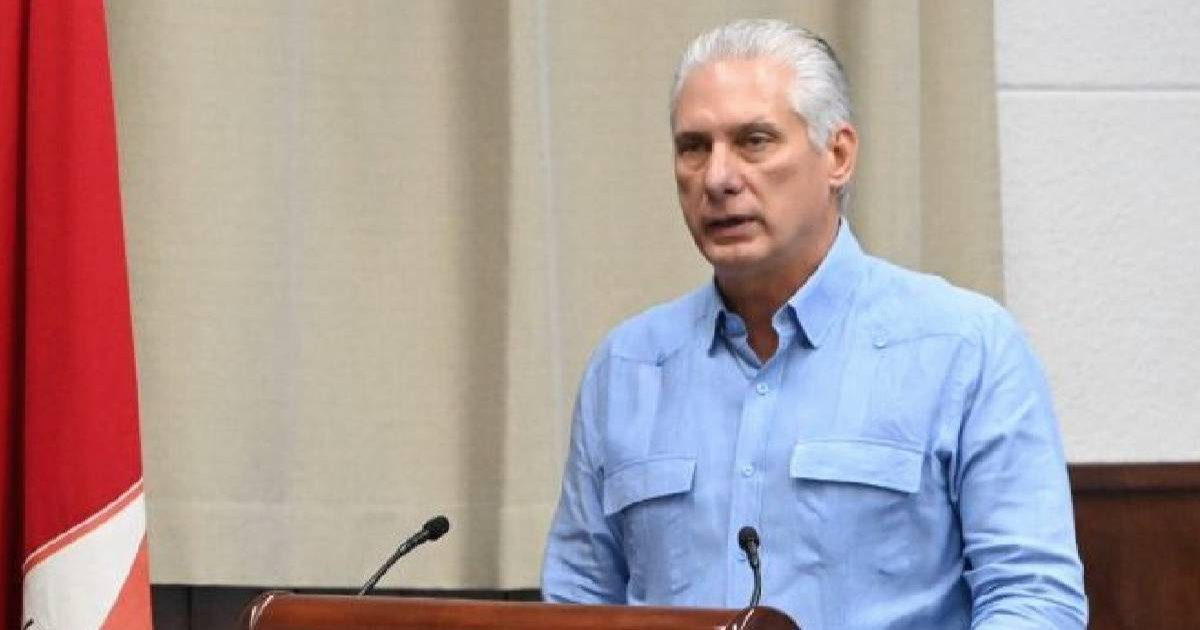
The ruler Miguel Díaz-Canel declared that our peoples deserve peace, the opportunity to live in an atmosphere of friendship and to enjoy full freedom to build a genuine and good-neighborly relationship," and the response from the Cubans was clear: what is needed in Cuba is not peace, but freedom.
The statements are part of his exclusive interview with the magazine Newsweek, the first that Díaz-Canel has granted to a U.S. media outlet since 2023.
The message, shared on Tuesday night, was met with widespread responses from Cubans both on the island and abroad, who rejected the conciliatory speech of the leader and demanded the release of the more than 1,214 political prisoners who, according to the organization Prisoners Defenders, remain imprisoned in Cuba, a record historical figure.
The interview with Newsweek took place at the Presidential Palace in Havana and addressed the strained relations between Cuba and the Trump administration.
In it, the leader combined calls for dialogue with military warnings: he confirmed that officials from both countries have started conversations, although he described them as "difficult", and at the same time threatened with a "war of the entire people" in the event of an attack from Washington, warning of "incalculable" losses for both nations.
"We will always strive to avoid war. We will always work for peace. But if there is military aggression, we will counterattack, we will fight, we will defend ourselves," declared Díaz-Canel to the U.S. publication.
Washington's response was lukewarm. Secretary of State Marco Rubio dismissed the leader's statements with a single phrase: I don't think much about what he has to say. A White House official was more direct and described Cuba as "a nation in decline."
The abyss between the official discourse and the reality experienced by the Cuban population was highlighted in the comments on Díaz-Canel's message.
Social media users pointed out that peace without freedom is oppression and recalled that the amnesty announced on April 3 for 2,010 prisoners explicitly excluded "crimes against authority," the category most commonly used to prosecute dissenters and demonstrators.
Javier Larrondo, president of Prisoners Defenders, denounced that while the regime announces pardons, it is imprisoning, it is detaining… last month it detained hundreds of people across Cuba.
Filed under: