
Related videos:
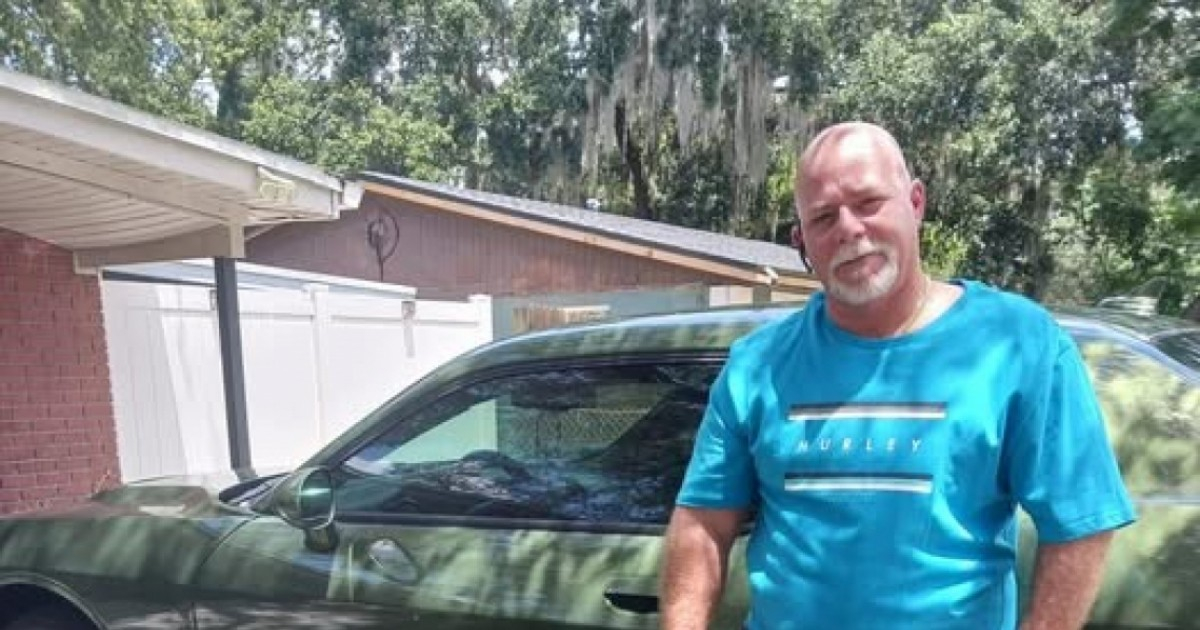
The remains of Michel Ortega Casanova arrived in Tampa, Florida, where his funeral services will be held this weekend. Ortega Casanova was one of the Cubans killed by regime forces on February 25.
The journalist Javier Díaz, in addition to reporting the news, emphasized that Ortega was a U.S. citizen and a resident of Tampa, a status that gives the case a particular diplomatic dimension and prompted the initiation of a federal investigation by the FBI.
The communicator reminded that the FBI team that traveled to Cuba in early April to investigate the shooting has not provided any public details about its findings so far.
The incident occurred when Cuban Border Guard troops intercepted a speedboat registered in Florida (FL7726SH) in Cayo Falcones, municipality of Corralillo, province of Villa Clara.
The vessel was carrying ten people, all Cubans residing in the United States, according to the Ministry of the Interior (MININT) of Cuba.
Four men were killed in the confrontation: Michel Ortega Casanova, Pavel Alling Peña, Ledián Padrón Guevara, and Héctor Duani Cruz Correa.
A fifth crew member, Roberto Álvarez, died on March 6 due to complications from his injuries, bringing the total count to five dead.
Six crew members were arrested, including Amijail Sánchez González and Leordan Enrique Cruz Gómez, who were listed among the suspected terrorists that Cuba presented to the UN in July 2025, a fact that the regime used to justify its account of the incident.
A seventh suspect, Duniel Hernández Santos, was arrested on land as the group's receiver.
The MININT stated that the occupants of the boat fired first at a unit of five border guards, injuring the commander in the abdomen, and that weapons, homemade explosives, and bulletproof vests were seized from the vessel.
The regime framed the event as part of a series of aggressions from U.S. territory.
Ortega Casanova led Casa Cuba Tampa and the Republican Party of Cuba in that city.
René Montes de Oca, vice president of Casa Cuba Tampa, informed Univisión that the funeral services will be held with the ashes transported from Cuba.
He also pointed out that, alongside Ortega Casanova, "there are four fatalities, all brothers in the same cause and victims of the same massacre."
Montes de Oca expressed concern for the survivors who remain detained, noting that there is total secrecy regarding their situation.
He stated that those who have had access to them cannot provide information due to restrictions imposed by the authorities, and warned about the risks they might face while in custody.
The organization declared three days of official mourning for the deceased. Wilfredo Beyra, new leader of Casa Cuba Tampa, and René Montes De Oca referred to him as a brother in ideas and anti-Castro activist.
Family members and the Cuban-American community reject the official narrative of the regime, which labels the victims as terrorists, and describe them as activists and patriots.
The dissident José Daniel Ferrer publicly suggested that there might have been infiltration of the regime within the group itself, adding an extra layer of uncertainty to the case.
The American citizenship status of Ortega Casanova makes his death at the hands of Cuban forces a matter of special sensitivity for Washington, but the FBI investigation remains open and without public results.
Ortega Casanova resided in Lakeland, in Polk County, Florida, where his family still lives and where the funeral services are expected to take place.
Filed under: