
Related videos:
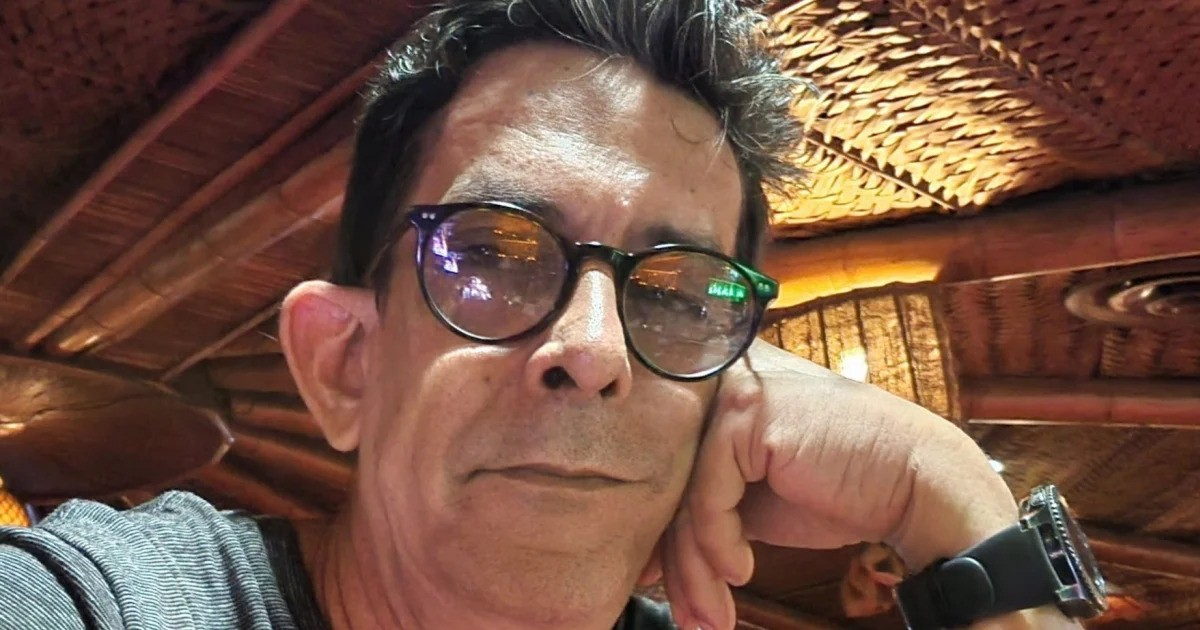
The Cuban comedian Ulises Toirac posted an extensive message on Facebook this Wednesday in response to the interview that Miguel Díaz-Canel gave to the "Meet the Press" program on NBC, aired last Sunday, and his conclusion was devastating: People do not want to live in Cuba.
Toirac shared that he had to wait until the early morning to watch the full interview, taking advantage of "a break in the fire" from the data outages that accompany the power outages, and that he used up his megabytes to view it, which alone illustrates the reality faced by ordinary Cubans while their leader appears on American television.
For the actor, the answer to everything Díaz-Canel said on NBC is not in his words, but in the feet that vote with their feet: "Emigration is not just an economic or political phenomenon. It is a phenomenon of future perception."
Toirac estimated that 1.25 million Cubans—over 10% of the population—decided to leave between 2021 and 2024, and warned that the number would have been much higher if not for the U.S. immigration restrictions: "Otherwise, the exodus would have been three times greater."
The comedian described this exodus as "the worst migration tragedy in all of Cuban history" and pointed out that its future consequences "are disastrous," adding that this data "reflects what Cubans think about the conflict, the management of the Cuban government, and everything."
He also dismantled the official argument that the embargo is the sole cause of the crisis. He acknowledged that it exists and causes harm, but raised an uncomfortable question for the regime: if the cause is the embargo and the effect is "total asphyxiation," the government has the "urgent" duty to take timely measures, "not when we are already out of breath trying to grab the blanket."
The comedian pointed directly to the opacity of the regime: the actual numbers of the Cuban economy "have always been kept hidden in the groundwater," he said, suggesting that those in power have known for a long time where the country was headed and did not take action.
Regarding the 33 votes in the UN since 1992 in favor of the resolution against the embargo, he was emphatic: "Clearly, this is not the way." He proposed that the correct strategy should focus on public opinion within the United States, not the international one.
"This is the worst migration tragedy in all of Cuban history," concluded Ulises. "Its reading, current impact, and future consequences are disastrous, and it reflects what Cubans think about the dispute, the management of the Cuban government, and everything else. Period."
The interview that inspired his post was recorded on April 9 at the José Martí Memorial in Havana, and it is the first appearance of a Cuban leader on Meet the Press since Fidel Castro was interviewed 67 years ago.
In it, Díaz-Canel rejected the release of more than 1,200 political prisoners, refused to hold multiparty elections, and, when asked if he would resign to save Cuba, responded with irritation: “Would you ask that question to Trump?” “Does that question come from the State Department?”
It is not the first time that Toirac has pointed a finger at the government. On April 2, he had already written that "the decisions of this government are what set the economy on fire" and that he did not believe that blaming others and waiting for donations would be a solution to the structural problems of the country.
Filed under: