
Related videos:
The U.S. Department of the Treasury published on Friday General License 134B from the Office of Foreign Assets Control (OFAC), which extends until May 16 the authorization to conduct transactions related to Russian oil already loaded onto vessels before the sanctions come into effect.
The measure does not lift sanctions against Russia; rather, it maintains a limited exception for shipments already loaded by April 17, aiming to avoid disruptions in the global energy market amid a context of high price volatility, according to EFE.
This is the second extension of this kind: General License 134A was issued on March 19 and expired on April 11, covering shipments embarked before March 12.
The Secretary of the Treasury, Scott Bessent, defended the decision by stating that "the affected oil was already in transit and the license would not provide any relevant financial benefits to Russia, as it concerned shipments that had been previously produced and shipped."
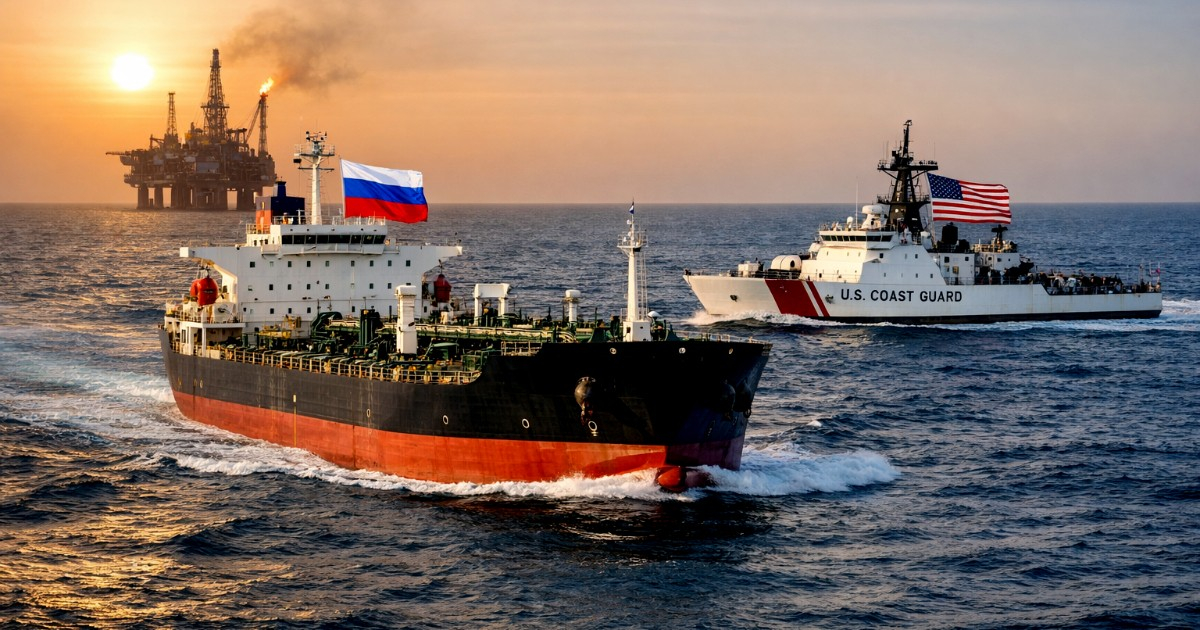
The period coincides with a window of particular significance for Cuba: the Russian oil tanker Universal, from the state shipping company Sovcomflot, which is sanctioned by the United States, the European Union, and the United Kingdom, is sailing from the Baltic to the Caribbean, with an estimated arrival date to the island at the end of April.
El Universal crossed the English Channel on April 8, escorted by a Russian frigate, and this would be the second shipment of Russian crude oil to Cuba in less than a month.
The first one arrived on March 31, when the tanker Anatoli Kolodkin —also from Sovcomflot and also sanctioned— docked at the port of Matanzas with approximately 730,000 barrels of crude oil, enough for barely seven to ten days of consumption.
That shipment was made possible thanks to a humanitarian exception authorized directly by the Trump administration, despite the fact that License 134A explicitly excluded Cuba.
The researcher Jorge Piñón from the Energy Institute at the University of Texas pointed out that there is a high probability that the final destination of the Universal will also be Cuba.
The Russian Minister of Energy, Serguéi Tsiviliov, announced the dispatch of the Universal on April 2 during the Energoprom-2026 forum in Saint Petersburg, where he stated: "A Russian ship has broken the blockade. A second vessel is in the loading phase, and we will not leave the Cubans in distress."
Cuba has been experiencing a severe energy crisis since January 2026, worsened by the interruption of Venezuelan supplies following the capture of Nicolás Maduro and the suspension of Mexican shipments on January 27, which accounted for 44% of Cuba's imports.
The island produces only about 40,000 barrels daily but needs between 90,000 and 110,000, which has led to power outages of up to 30 hours a day and an electrical deficit of over 1,800 megawatts on average.
In parallel, the Trump administration has adopted other targeted relaxations of energy sanctions, including temporary authorizations for purchases of Iranian oil and the suspension of maritime laws to streamline domestic oil transportation.
The new license 134B applies exclusively to shipments that have already been dispatched and excludes transactions with Iran unless specifically authorized, which limits its scope within the general sanctions regime against Moscow.
Filed under: