
Related videos:
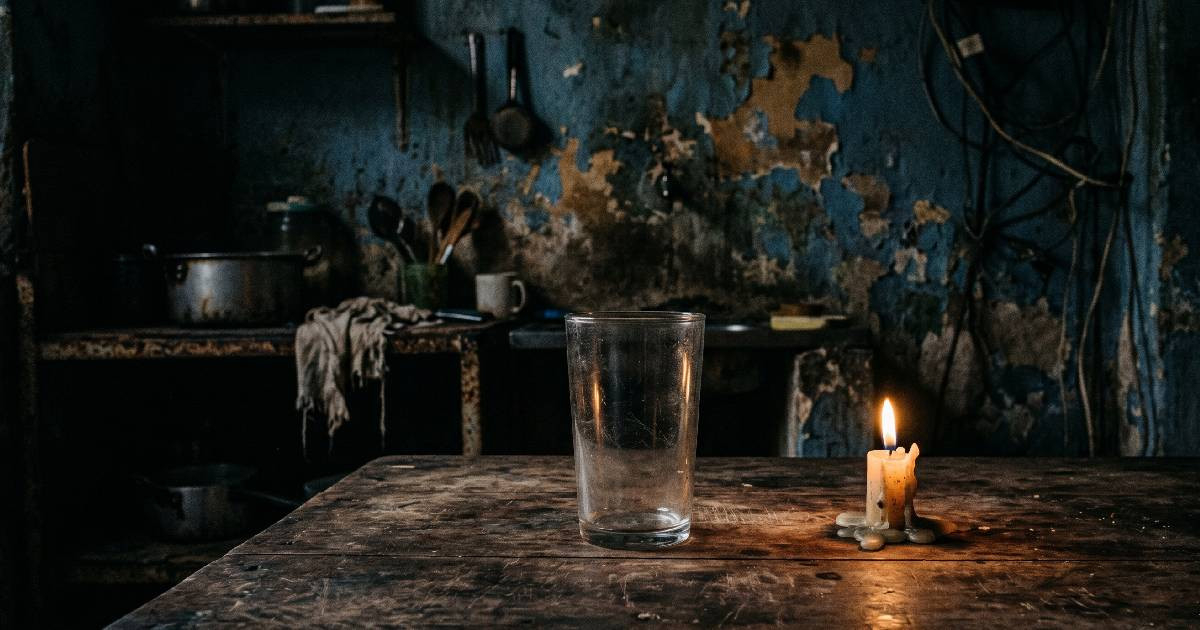
The Minister of Energy and Mines, Vicente de la O Levy, announced this week on the television program Mesa Redonda a plan for energy transition that promises total electric sovereignty by 2050, which has unleashed a wave of sarcasm and indignation among Cubans who compare it to Raúl Castro's famous unmet promise of the "glass of milk."
The official outlined three stages: achieving 24% renewable energy by 2030 —starting from the current 10% with a target of 15% for this year— reaching 40% by 2035 to eliminate the importation of fuels, and attaining 100% renewable energy by 2050. Additionally, a post was shared on the Facebook profile of the official portal Cubadebate.
The announcement comes amid the most severe electrical crisis in Cuba in decades, with the National Electrical System having collapsed at least seven times in the last 18 months and blackouts lasting up to 24 hours a day in provinces such as Holguín, Granma, and Santiago de Cuba.
The minister himself acknowledged the seriousness of the situation. "We are extracting 800 tons, consuming 800 tons of diesel daily. It's not enough. Half," he said, also recognizing that Cuba needs eight fuel ships per month.
He also stated that the only available shipment, that of the Russian oil tanker Anatoly Kolodkin, unloaded in Matanzas at the end of March, would last "only until the end of this month."
The popular reaction was swift. In the aforementioned publication from Cubadebate, hundreds of Cubans immediately drew a parallel with the promise that Raúl Castro made on July 26, 2007, in Camagüey, when he assured that Cuba would produce enough milk for "everyone who wants a glass."
Almost 19 years later, that promise remains unfulfilled and has become a cultural symbol of governmental noncompliance.
"For 20 years we have been waiting for the glass of milk that Raúl was supposed to provide, and now you promise power by 2050. The revolution of eternal waiting is just that," wrote the user identified as Yuniel Cepena.
Other comments reflected the same mix of bitter humor and despair. "Perfect, by 2050 there will be light. In the meantime, candles and patience. That revolution is really moving forward," Manuel Adrián Ortega ironized. "As my grandfather used to say: the hat will arrive when there are no heads left," Vilma Sánchez noted in turn.
Some highlighted the generational gap implied by the promise. "I'm 31 years old, do I have to wait until I'm 56 to see that power outages no longer exist?" asked Marcos Mora.
Geographical disparity exacerbates the perception of injustice. While Havana recently experienced four days without blackouts thanks to Russian crude, the interior of the country continued to be in the dark with power cuts of up to 24 hours a day.
Cuba has 1,334 megawatts of installed photovoltaic solar capacity, but in practice, it only generates about 500 megawatts, and the 200-megawatt energy storage battery plan is still not operational.
"The problem is not that he says it, the real problem is believing it," summarized Enrique Reyes in a comment that encapsulated the widespread skepticism towards a new promise from the regime set to expire in 2050.
Filed under: