
Related videos:
A technical report published this Monday by Prisoners Defenders reveals that approximately 90,000 inmates in Cuba —about 1% of the population— are subjected to severe and systematic malnutrition in conditions that the organization describes as "incompatible with life."
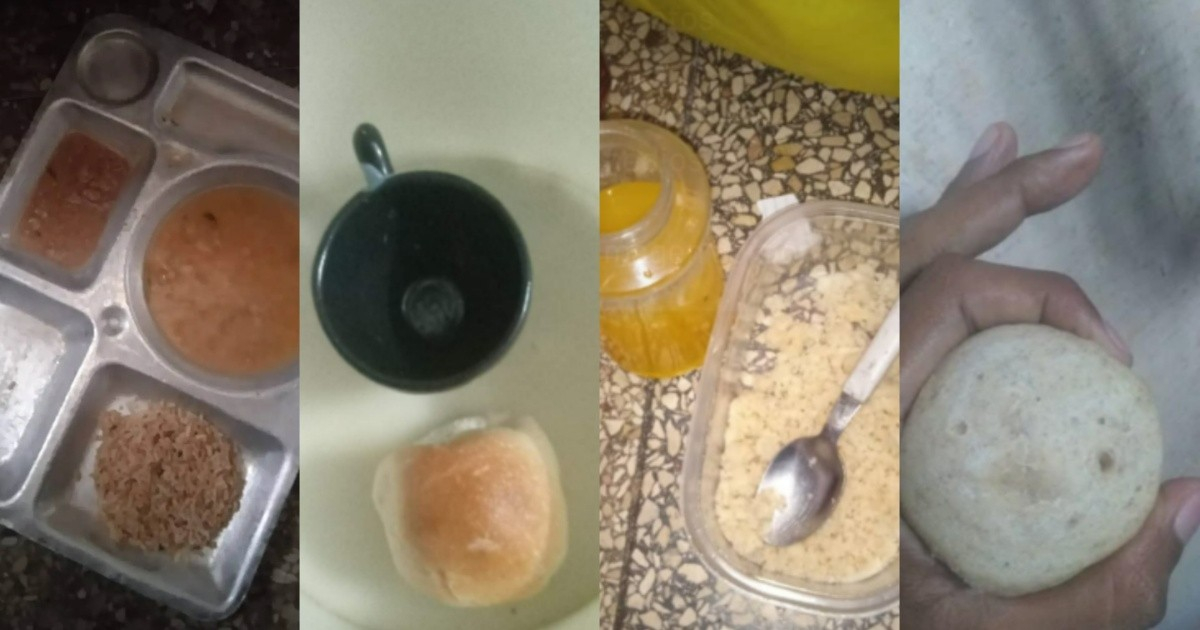
The document, compiled from photographs, direct testimonies of prisoners and their families, and international nutritional standards, estimates that the daily food in prison provides between 250 and 353 kilocalories, which is only between 10% and 14% of the minimum requirements for an adult, set at about 2,553 kilocalories per day.
Breakfast consists of a piece of bread weighing between 45 and 60 grams and a bowl of watery tea without sugar, providing virtually no energy. Lunch and the afternoon snack—served at 11:00 and 15:00—include less than 30 grams of cooked rice, about 50 grams of soup described as "sour" by the inmates themselves, and approximately 20 grams of a dish called "boiled croquette," which has a mushy consistency.
Javier Larrondo, president of Prisoners Defenders, described the situation succinctly: "We are talking about severe malnutrition that has been sustained over time. This is not just a poor diet, but a situation capable of causing extreme deterioration and irreversible damage."
The report documents that this intake can lead to extreme weight loss, anemia, immune suppression, muscle deterioration, neurocognitive damage, and a high vulnerability to infections within a few months.
Malnutrition is compounded by generalized unsanitary conditions: cells and mattresses infested with bedbugs, overcrowding, and a lack of medical care. "These conditions are not merely inconvenient; they are a progressive factor of destruction," Larrondo warned.
The case that prompted the creation of the report is that of Alexander Díaz Rodríguez, a protester from the 11J condemned to five years in prison and held in Kilo 5 and a half prison in Pinar del Río. Released on April 12, he emerged with advanced throat cancer, hepatitis B, anemia, and extreme malnutrition, having dropped from weighing between 80 and 90 kilograms to barely between 37 and 55 kilograms.
The U.S. official Mike Hammer spoke with Díaz Rodríguez last Thursday, confirming the pattern of systematic medical neglect reported by the organization.
The report identifies at least 447 political prisoners with serious conditions caused or worsened by their detention circumstances, 47 with severe mental disorders without treatment, and 34 in extreme risk situations. Among the documented cases are minors in maximum-security prisons and individuals with a history of suicide attempts.
This situation is part of a documented and worsening prison crisis. In February, a riot at the Canaletas prison in Ciego de Ávila was triggered by extreme hunger and the death of a young inmate who was beaten after asking for food, with at least seven reported deaths. That same month, Cubalex documented seven deaths in penal custody, labeling it as a "particularly critical" month.
In January, José Daniel Ferrer, founder of UNPACU, had already reported that "there are thousands of malnourished prisoners in Cuban jails," comparing the conditions to concentration camps.
Larrondo was unequivocal about the regime's responsibility: "When the State has a person in custody, it has an absolute obligation to preserve their life. But when someone receives minimal food, lives in squalor, and is denied medical attention, we are faced with cruel, inhuman, and degrading treatment, or even crimes against humanity."
Prisoners Defenders urged the UN and the European Union to adopt urgent measures: independent access to prisons, effective diplomatic pressure, and the immediate release of the most at-risk detainees. The report was published in six languages—Spanish, English, French, Italian, Portuguese, and German—with the explicit aim of reaching the international community.
"Passivity is no longer neutrality. Every day of silence can mean one less day of life for those who are locked up, sick, and abandoned," concluded Larrondo.
Filed under: