
Related videos:
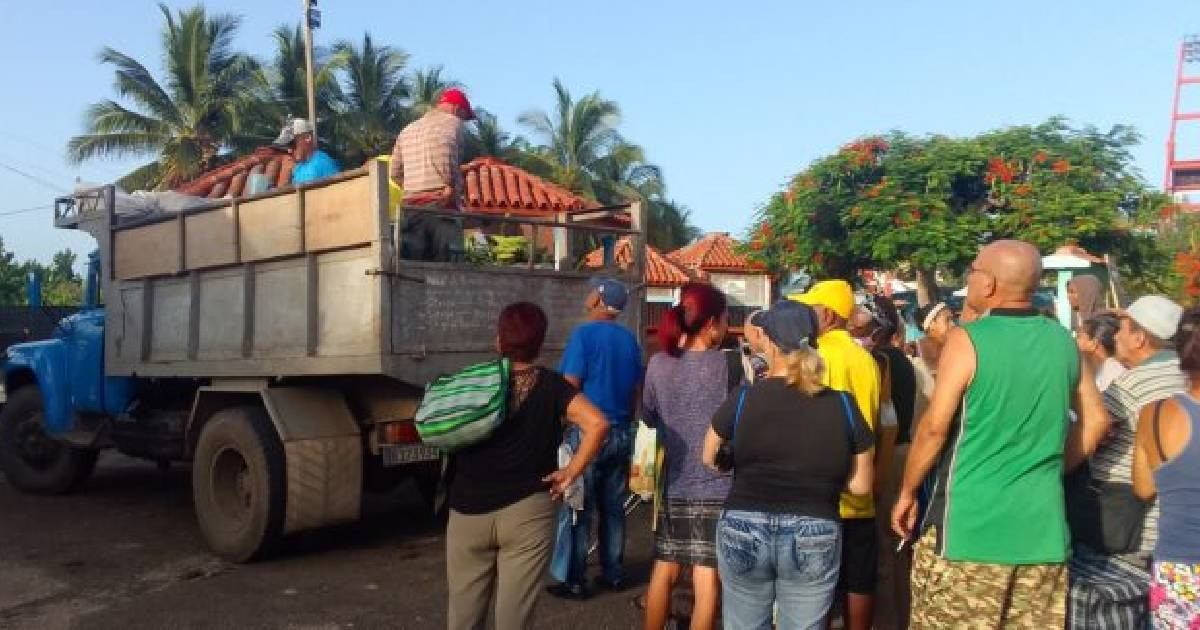
The first secretary of the Communist Party in Matanzas, Mario Sabines Lorenzo, acknowledged that the province is facing power outages, water shortages, and food scarcity, and assured that the PCC is "committed to bringing produced food" to the population, because "there is no fuel due to the energy blockade."
The statements were made after the conclusion of the May Day parade in Matanzas, and were published this Sunday by the official newspaper Girón.
Sabines described the situation facing the population without euphemisms. "This town, which is filled with difficulties such as long power outages, water shortages, and disrupted communications due to the electricity deficit... was the town that marched."
However, the official attributed all the responsibility to the U.S. embargo and not to decades of mismanagement of the prevailing socioeconomic system, in a narrative that the PCC itself repeats in every crisis.
The situation documented in Matanzas is more serious than what their words suggest. Since February, provincial authorities ordered that each municipality ensure the provision of prepared food to cover at least one third of its population, using charcoal due to the lack of gas and electricity.
In March, power outages of up to 70 hours led the government to distribute flour for pizza molds and increase cooked rations as an emergency solution.
That same month, the distribution of milk for children was interrupted for weeks because the Dairy Company only received 216 liters of fuel daily instead of the 900 that were needed, leaving municipalities like Colón with children without milk for over two months.
Standard beans were sold in Matanzas for 280 pesos per pound, an unaffordable price for retirees and low-income families.
An April report placed Matanzas among the five provinces with critical food survival levels, alongside Havana, Cienfuegos, Guantánamo, and Santiago de Cuba.
In light of this situation, Sabines announced a series of alleviating measures. According to the official, Matanzas is the province that has made the most progress in Cuba in the installation of solar panels in isolated homes, with photovoltaic kits installed in polyclinics, funeral homes, and banks.
It also announced the installation of nine "solineras" for the public to charge devices and cook, the addition of vehicles for dialysis and oncology patients, and the establishment of 18 telecommunications points in municipal capitals.
Regarding prices and banking, the official admitted that "we do not have a short-term solution at hand," although he assured that they are working on it.
This Sunday, the ruler Miguel Díaz-Canel declared before foreign communists in Havana that Cuba "will eat what we are capable of producing", while reports indicate that 25% of Cubans go to bed without dinner and the GDP is expected to contract by 7.2% this year, the worst figure among 27 economies in the region.
Filed under: