
Related videos:
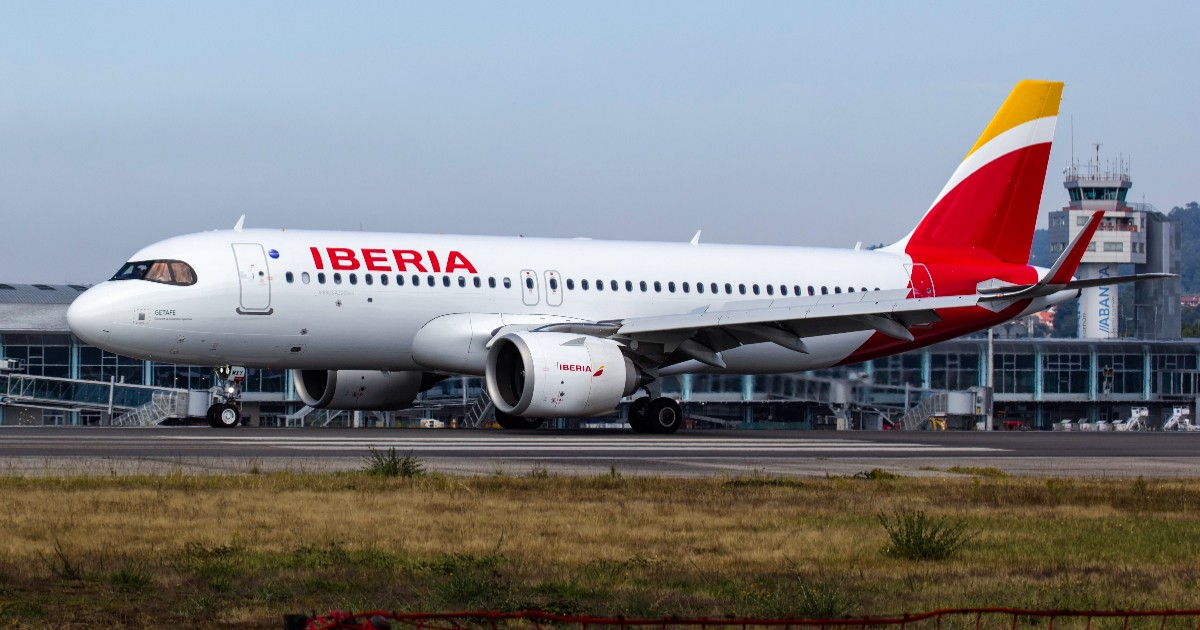
Iberia will temporarily suspend its direct flights between Madrid and Cuba starting in June, due to the lack of demand caused by the serious situation the island has been facing for months, the airline reported on Monday to the agency EFE.
The company described the measure as a suspension that "affects only Cuba, due to its exceptional situation," and emphasized that the rest of its operations continue normally, with a record number of 21.4 million seats planned for the summer of 2026.
The decision comes after operations were already affected since February 9, when Cuba confirmed via NOTAM A0356/26 the unavailability of Jet A-1 fuel at nine international airports, including those in Havana, Varadero, Holguín, Santiago de Cuba, and Camagüey.
Since that date, Iberia had to make technical stops in Santo Domingo to refuel on flights back to Madrid, incurring additional operational costs due to the fuel shortage on the island.
During April, the company will maintain three weekly flights on the Madrid-Havana route. In May, it will reduce the schedule to two weekly flights, and starting in June, it will completely cease direct operations.
Iberia keeps ticket sales open starting November 2026, the month in which it plans to resume the route if conditions allow. During the suspension, passengers will be able to fly to Panama and connect to Cuba through the codeshare agreement with Copa Airlines. Iberia's offices in Havana will remain open to serve customers.
The energy crisis that triggered this airline collapse originates from the interruption of Venezuelan oil supply in early 2026, which accounted for two-thirds of Cuba's imports.
This was compounded by the sanctions from the Trump administration, which threatened tariffs on countries that sold oil to Cuba, leading Mexico, through Pemex, to cease its shipments. Cuba, which only produces about 40,000 of the 110,000 barrels per day it needs, was left without sufficient external supply.
The impact on international aviation has been massive. Air Canada suspended its routes and operated empty flights to repatriate around 3,000 stranded tourists; Air Transat canceled all its flights until at least April 30; Air France suspended the Paris-La Habana route from March 29 to June 15; and Turkish Airlines operated its last flight to La Habana on March 29, suspending operations at least until the end of May. In total, more than 1,700 flights were canceled in the preceding months.
Cuban tourism, the main source of foreign currency for the regime, sank in parallel. In January and February 2026, the island received 112,000 fewer visitors compared to the same period last year, with hotel occupancy dropping to 18.9%. Chains such as Meliá, Iberostar, NH, and Valentín temporarily closed hotels in response to the collapse.
The suspension of Iberia is not a complete surprise. Back in February 2025, Beatriz Guillén, the Global Sales Director of the airline, had warned that the demand for Cuba is "quite variable" and that the company could cancel flights due to low profitability.
The crisis of 2026 turned that warning into reality, leaving Cuba increasingly isolated from international air traffic.
Filed under: