
Related videos:
The Cuban economist Miguel Alejandro Hayes reported that all five-star hotels built by GAESA in Cuba were constructed in direct partnership with a French company.
His statements bring to light the network of European interests operating behind luxury tourism on the island which, according to the analyst, partially explains the defense of the Cuban regime before the European Parliament.
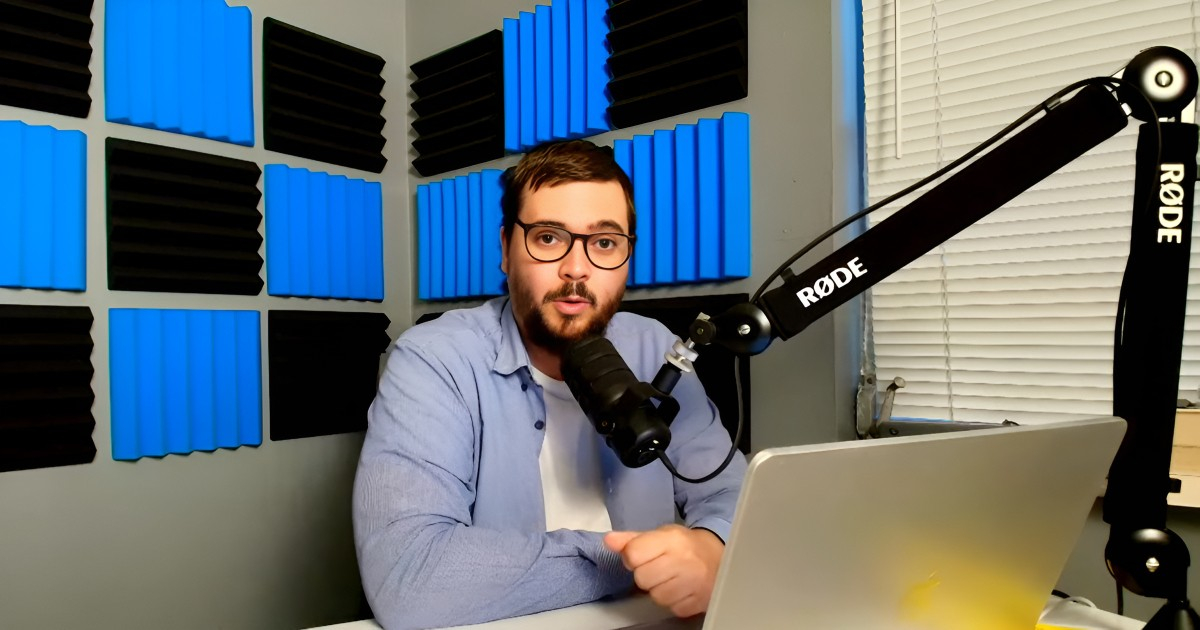
Hayes made these statements on a program from Actualidad Radio published this Monday, in the context of the new sanctions announced by Secretary of State Marco Rubio against the Cuban military conglomerate.
«All the five-star hotels that GAESA has built have been done in partnership with a French company called Bouygues Timón. It is the company that ranks among the top five largest companies in France. Therefore, it is undeniable,» stated Hayes, who specified that the Bouygues group also controls the main telecommunications operator in the French country.
According to the economist, "we specifically know that there are significant economic interests from Europe in Cuba, specifically from Spain and France. And France is the most important element," which makes these companies key players with real influence over the European Union's foreign policy towards Havana.
Hayes' analysis comes days after Rubio, in Rome following a meeting with Pope Leo XIV, explained to European journalists what GAESA is and how it operates. The Secretary of State was emphatic: "The Cuban people at this moment have not benefited from a single grain of rice from GAESA's revenues."
On May 7, the Trump administration formally announced direct sanctions against GAESA under Executive Order 14404, signed on May 1, and designated Ania Guillermina Lastres Morera as the executive president of the conglomerate.
Additionally, set a deadline of June 5 for foreign companies to cease operations with GAESA and its subsidiaries, under the threat of secondary sanctions.
Hayes described GAESA as "an OSDE of OSDEs, that is, a monopoly of monopolies," with thousands of workers and hundreds of branches spread throughout the country. Its tourism arm, Gaviota S.A., manages 121 hotels and 20 marinas and accounted for 72% of the conglomerate's total income in the first quarter of 2024, with a net profit margin of 42%.
Despite those figures, hotel occupancy in Cuba dropped to 18.9% in 2025, the lowest in recent history, while the regime allocated 36% of all state investment — around 24.2 billion dollars — to build hotels between 2021 and 2023, fourteen times more than was invested in healthcare.
The economist also suggested that GAESA could be in the process of transitioning to new forms of economic control, using front men and private companies to manage foreign currency flows.
"It is hard to believe that GAESA has lost its total monopoly over remittances. Therefore, there is something fishy going on," he pointed out, noting that the Cuban private sector imported over 2 billion dollars in food between 2023 and 2024 in a suspiciously organized manner.
Hayes also emphasized that "until two and a half years ago, most economists of the Cuban intellectual elite did not dare to use the term GAESA in public analyses," which illustrates the weight of the taboo surrounding the conglomerate even within academia.
The program also addressed the regime's rejection of 100 million dollars in humanitarian aid offered by Washington to be distributed through the Catholic Church.
Rubio was straightforward: "We have offered the regime 100 million in humanitarian aid, and they have refused to accept it." Hayes interpreted the rejection as a sign that the dictatorship prefers the Cuban people to sink into misery rather than lose control over resources.
Hayes estimated that Cuba needs "around 200 million per month to malfunction as it did in 2020-2021," which puts into perspective both the magnitude of the crisis and the inadequacy of any temporary assistance to reverse it.
Filed under: