
Related videos:
The Cuban regime owes more than 277 million dollars to Sherritt International, the Canadian company that was its largest foreign mining partner for more than three decades, as confirmed by the company itself in an official statement announcing the definitive closure of its operations on the island.
The figure reflects years of accumulated defaults and the structural inability of the Cuban state to meet its financial obligations.
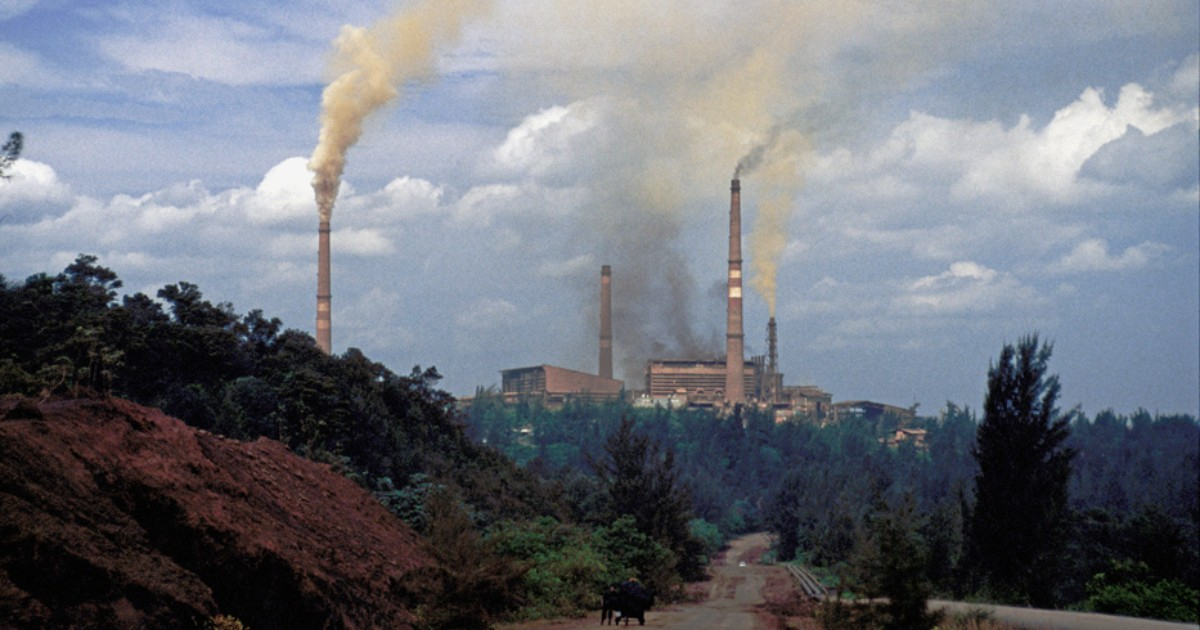
The main component of that debt is the balance that the state-owned General Nickel Company S.A. (GNC) maintains with Sherritt for the joint operation of nickel and cobalt in Moa, Holguín: 277 million dollars as of the end of 2025.
This is in addition to accounts receivable linked to Energas S.A. —the joint electric generation company— and CUPET, the Cuban state oil company.
The debt did not emerge suddenly. For years, the Cuban government postponed payments until in October 2022, an alternative mechanism known as the "cobalt swap" was negotiated: instead of paying in foreign currency, Cuba would deliver refined physical cobalt over five years, from 2023 to 2027, to settle 362 million Canadian dollars in accounts receivable.
The agreement failed. By the end of 2024, the regime had only fulfilled about 25% of what was agreed upon, demonstrating that even that mechanism of payment in kind was beyond its means.
In February 2026, the situation worsened when the Cuban authorities informed Sherritt of a fuel shortage that affected production in Moa, forcing a suspension of operations amid the severe energy crisis the island is currently facing.
The final blow came on May 1, 2026, when President Donald Trump signed Executive Order 14404, which drastically expanded sanctions against Cuba and introduced secondary sanctions against foreign financial institutions that conduct business with blocked Cuban entities.
On May 7, the State Department designated GAESA —the business conglomerate of the Cuban Armed Forces— under that new authority, making the position of any foreign company with ties to the island untenable.
In light of this situation, Sherritt announced the dissolution of all its operations in Cuba and invoked its dissolution clause with GNC. The plan outlines that Sherritt will remain the sole owner of the Saskatchewan refinery in Canada, while GNC would take over control of the mining operations in Cuba.
However, since the value of the Cuban mine exceeds that of the Canadian refinery, the dissolution agreement requires GNC to pay Sherritt an additional amount to match the market value, above the already owed 277 million. The company acknowledges that "the only way to preserve its ability to conduct business is to invoke its dissolution rights without delay."
Regarding Energas —which contributes between 10% and 15% of independent electricity generation capacity in Cuba with its 506 megawatts— Sherritt will relinquish its stake without receiving any compensation. The same will happen with its oil production sharing contracts and the drilling services contract.
The exit of Sherritt leaves the Cuban regime without its main foreign mining partner, with an unpayable debt and no access to the Canadian refinery that processed its nickel and cobalt. The judicial process to expedite the dissolution is scheduled for next Tuesday before the Alberta King's Bench Court.
Filed under: