
Related videos:
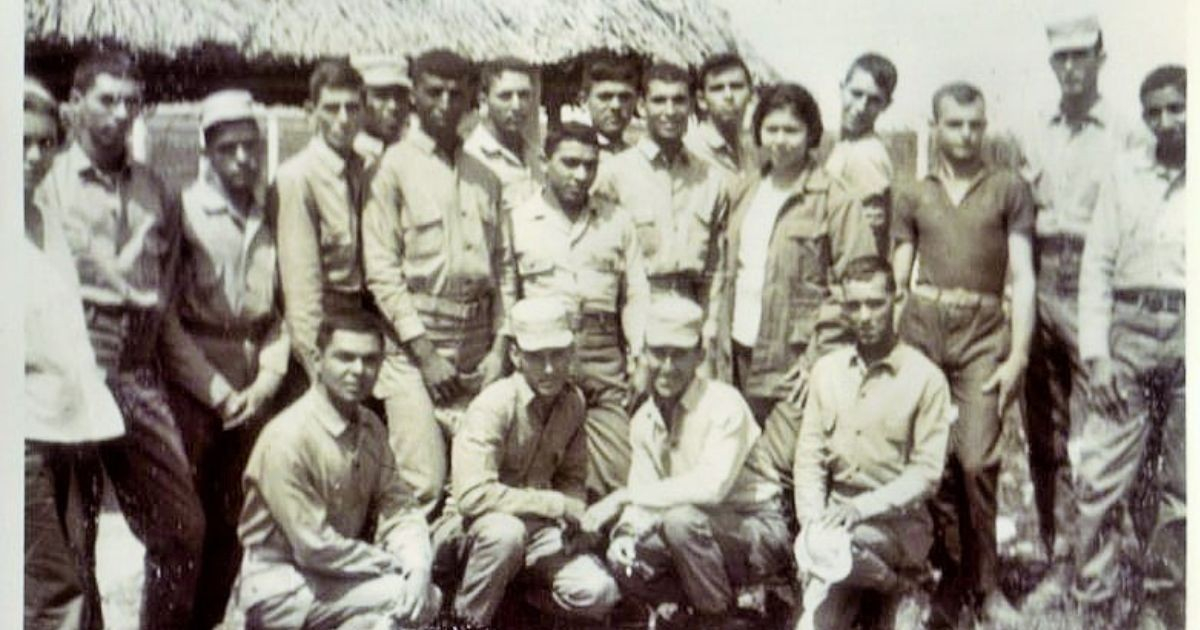
In the midst of the XIX Cuban Day Against Homophobia and Transphobia, Cuban historian and researcher Julio César González Pagés published a reflection on the crimes committed in the Military Units for the Aid of Production (UMAP), the forced labor camps established by Fidel Castro’s regime in November 1965, which operated until 1968.
The 2026 event, held under the slogan "Love is Law" from May 4 to 21, provides a platform for González Pagés to call for historical memory regarding one of the darkest episodes of the Cuban dictatorship against the LGBTIQ+ community.
The academic notes that approximately 35,000 people went through the UMAP over the three years they were active, primarily located in the province of Camagüey, where they operated as forced agricultural labor camps.
The reasons for admitting someone to those camps were broad and arbitrary: being homosexual, practicing a religion, being deemed a "problematic" intellectual, or simply being labeled as "antisocial" or "counter-revolutionary," according to testimonies from former inmates gathered by González Pagés.
Interns were subjected to exhausting physical labor under the ideological justification of their "regeneration." One of the testimonies cited by the historian describes the harshness of those conditions: "In the afternoon, the soldiers urge us to keep the pace, but our strength is not the same. The warm, humid climate, favorable for farming, wears the men down."
The human consequences were devastating: around 500 inmates ended up in psychiatric wards and 180 took their own lives, with 50% being members of the LGBTIQ+ community, the academic recalled, who chairs the Gender and Peace Commission of the NGO Cuban Movement for Peace.
González Pagés places the UMAP within the ideological project of the socialist "new man," quoting the Mexican intellectual Carlos Monsiváis, who described this model as "the militant for the regeneration of the Latin American continent," but who also argued that one must combat everything that "weakens" it, including homosexuality.
The memory of the UMAP remains politically uncomfortable for the regime. The singer-songwriter Pablo Milanés, who was interned in those camps, described them unambiguously: “They gathered everyone they deemed despicable in a concentration camp”. Fidel Castro acknowledged in 2010 his personal responsibility for the creation of the UMAP.
In contrast, Mariela Castro Espín, director of the National Center for Sex Education (Cenesex) and daughter of Raúl Castro, has repeatedly downplayed that past. In 2020, she stated that "the UMAP issue is very exaggerated," and in July 2023, she went as far as to claim that "there were no concentration camps in Cuba", thus denying the repressive nature of those camps.
Yesterday, the same Mariela Castro announced during the 19th Gala held at the Teatro de Variedades América in Centro Habana that the Cuban Conga against Homophobia and Transphobia scheduled for May 17 has been postponed to July due to the electricity crisis, with a projected record deficit of 2,204 MW for the night peak last Thursday.
In 2024, Cuban activists created a database with historical documents from the UMAP to preserve the memory of repression, including materials on classifications and repressive objectives against behaviors deemed "effeminate" or "antisocial."
Dr. González Pagés, author of books such as Masculinities and Culture of Peace and Macho, Male, Masculine. Studies of Masculinity, concluded his publication with a call that encapsulates the urgency of his reflection: "We must study history, it is forbidden to forget, all rights for all people."
Filed under: