
Related videos:
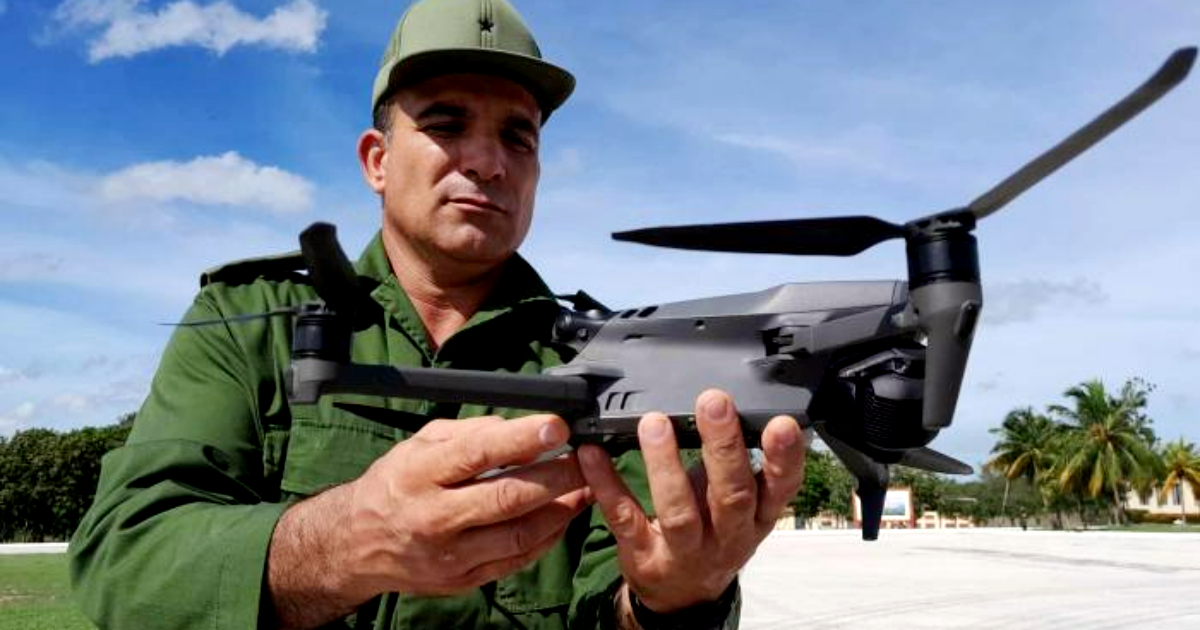
The revelations published by Axios regarding a supposed Cuban military drone program have once again placed Havana at the center of U.S. security concerns.
According to U.S. officials cited by the media, Cuba is believed to have acquired more than 300 drones of Russian and Iranian origin since 2023 and is exploring asymmetric warfare tactics inspired by Iran.
The information comes at a time of increasing tension between Washington and the Cuban regime, marked by new sanctions, accusations against Raúl Castro, and the strengthening of military cooperation between Havana, Moscow, and Tehran.
Although U.S. officials stated that they do not believe Cuba is preparing for imminent attacks, the development of military capabilities with drones just 90 miles from Florida is increasingly concerning to the Pentagon.
“No estamos hablando de aviones de combate cubanos capaces de desafiar a Estados Unidos”, explicó un alto funcionario citado por Axios. “Pero sí de cheap technologies that are hard to detect and potentially useful for provocation or irregular warfare actions”.
Military experts agree that Cuba does not have the conventional capability to confront the United States militarily. However, modern warfare has shown that relatively inexpensive drones can cause significant damage or generate political and psychological pressure.
Iran has used drones to attack U.S. bases in the Middle East and to harass strategic infrastructure. Russia, for its part, has massively employed Iranian Shahed drones during the invasion of Ukraine.
The big question is what type of drones Cuba may have acquired. Axios notes that U.S. officials are discussing "varying capability" devices, but does not provide details about specific models or their actual range.
Analysts consider it unlikely that Havana could carry out sustained offensive operations against U.S. territory. However, they do warn about the possibility of limited incidents or symbolic actions in scenarios of political or military crisis.
Another element causing concern in Washington is the cooperation between Cuba, Russia, and Iran. According to the report, intelligence intercepts suggest that Cuban officials are seeking to learn how Tehran has withstood sanctions and developed asymmetric warfare capabilities.
In addition, U.S. officials estimate that thousands of Cubans sent to fight alongside Russia in Ukraine may have transmitted experience regarding drone warfare to military leaders on the island.
As Cuba faces one of the worst economic crises in its recent history, reports of military investments and cooperation with Iran are once again fueling tensions with the United States and increasing international pressure on the regime.
Filed under: