
Related videos:
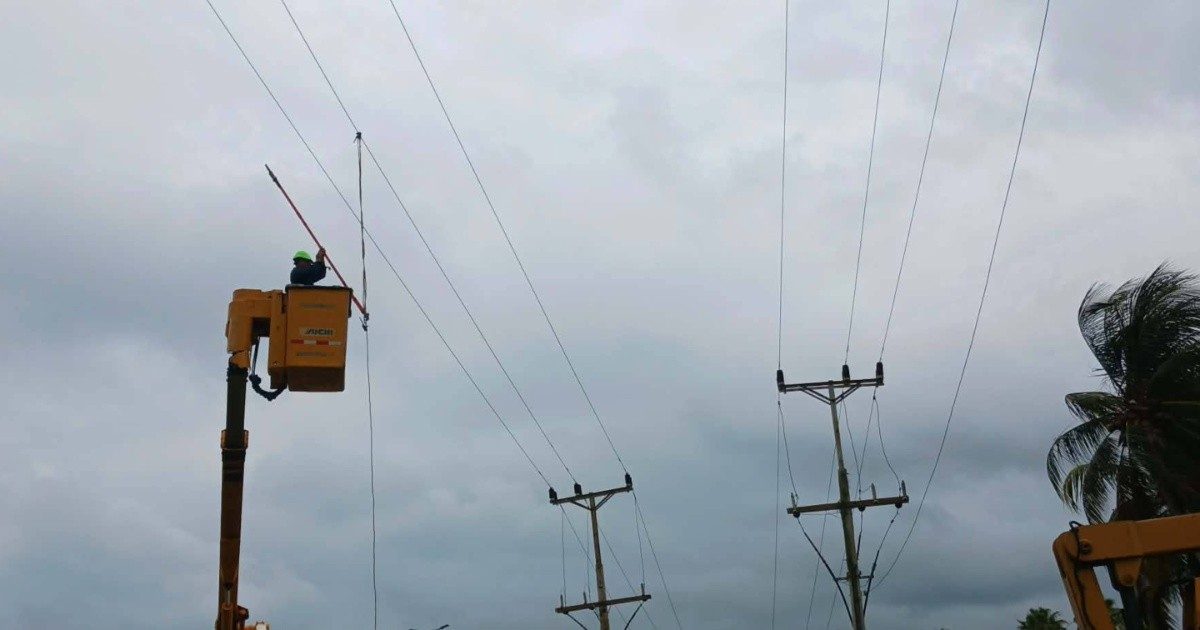
The theft of dielectric oil from electrical transformers increased in the province of Matanzas during the first quarter of 2026, further exacerbating the already critical energy situation faced by the Cuban population, as confirmed by authorities from the Ministry of the Interior and the Provincial Prosecutor's Office in statements reported by the Girón newspaper.
Lieutenant Colonel Roberto Domínguez Rodríguez, head of the Criminal Investigation Body of MININT, and Iliac Castellanos Chávez, chief prosecutor of the Provincial Prosecutor's Office's Criminal Proceedings Department, made these statements during the Fifth National Exercise for Crime Prevention and Confrontation, which began on May 19.
The municipalities with the highest incidences are Jovellanos, Los Arabos, Calimete, Martí, Perico, Colón, Pedro Betancourt, and Jagüey Grande.
According to Domínguez Rodríguez, the perpetrators of these thefts always follow the same method: "They take advantage of power outages, look for isolated areas with inadequate security, climb the poles, drill into the transformers, and drain the oil into tanks that they later sell."
Dielectric oil plays a critical role in transformers: it dissipates the heat generated in the windings and prevents overheating. If it is removed, the equipment suffers a short circuit and becomes inoperable, prolonging power outages beyond scheduled blackouts.
The official specified that the main motivation is not personal consumption: "Most of the time, those who steal it are not doing so for personal use, meaning to meet a need, but rather to profit."
The oil is resold on the black market as a substitute fuel for tractors and trucks at prices ranging from 600 to over 1,000 Cuban pesos per liter, amidst a backdrop of widespread fuel shortages on the Island.
The consequences are immediate and concrete: in Calimete and Pedro Betancourt, the theft in the irrigation systems known as "fregadas" affected rice production; in Jovellanos, the main water pumping was interrupted; and communities like San José de Marcos in Jagüey Grande and México and René Fraga in Colón experienced prolonged outages in addition to regular blackouts.
An emblematic case occurred on April 27 in Jagüey Grande, where the arrest of José Antonio Dorticós Zamora for stealing oil from a 33 kV substation left 4,429 homes, a hospital, a polyclinic, and the municipality's hygiene center without electricity.
In response, the authorities intensified operations in the second quarter: "In the municipalities of Calimete, Martí, Los Arabos, Perico, and Jovellanos, we currently have around 40 individuals being processed, with more than 10 criminal networks involved, covering approximately 33 reports that are being clarified," reported the lieutenant colonel.
Prosecutor Castellanos Chávez explained the applicable legal framework: "These crimes have been classified as sabotage and burglary. The economic value may be minimal, but the impact on society is significant, as well as on the economy."
The legal basis is the Opinion 475/2025 of the Supreme People's Court, issued in May 2025, which classifies as sabotage acts that harm the National Electric Power System, with sentences ranging from seven to 15 years of imprisonment and up to life imprisonment or the death penalty in aggravated cases.
The phenomenon is not exclusive to Matanzas: in Ciego de Ávila, 41 similar incidents were recorded in 2025, affecting 84 transformers, and Las Tunas has accumulated 11 transformer thefts in a recent period, all while Cuba reported an electrical deficit of 1,840 MW during the peak nighttime hours this Friday.
Filed under: