
Related videos:
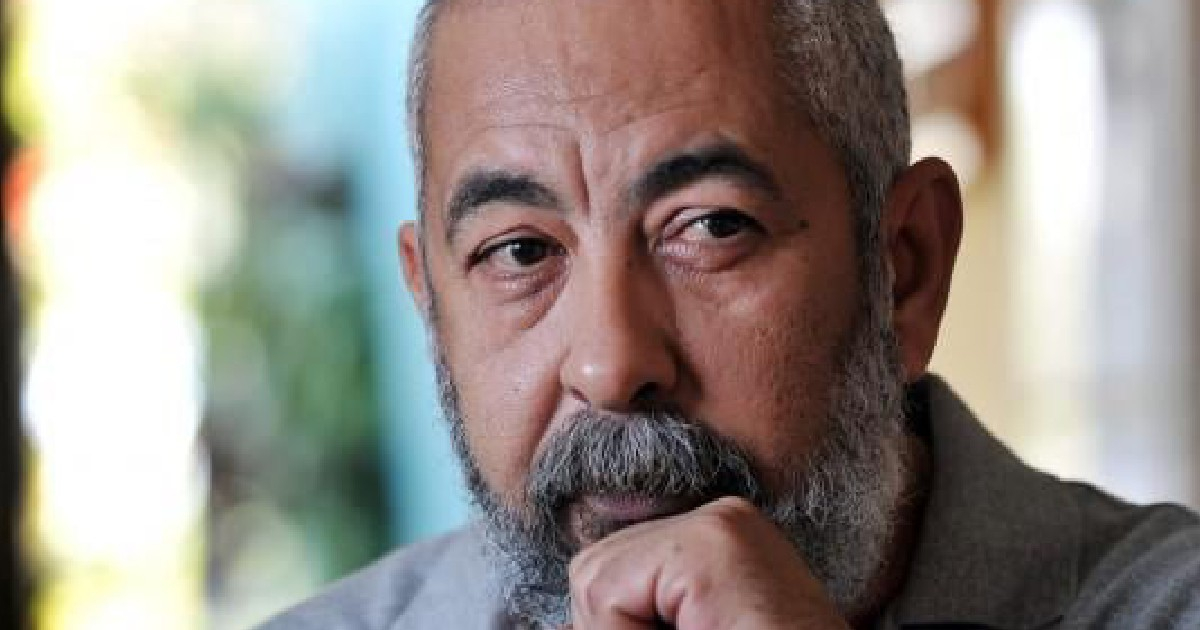
The Cuban writer Leonardo Padura stated in an interview with the newspaper La Vanguardia from Paris, published this Sunday, that the regime on the Island has implemented superficial solutions to structural problems that require radical transformations: “band-aids have been applied where deep surgeries should have been performed, and this includes the entire social, political, and economic fabric”.
Padura was in the French capital to present the French version of his book Ir a La Habana and to take part in a discussion at the Instituto Cervantes, marking yet another of his public appearances regarding Cuba in the month of May.
The author, born in Havana in 1955 and regarded as one of the most widely read living Cuban writers in the world, described the situation on the island as a progressive deterioration that worsened since the pandemic, with no recovery in either tourism or the economy.
"People are living with evident shortages: the extremely high prices of food, the lack of electricity, water, and medicine," pointed out the Princess of Asturias Award winner; and added that "there is a significant deterioration in living conditions."
When asked if the crisis could cost lives, Padura answered directly: "Yes, of course." He explained that the paralysis of the country can prevent someone from receiving a necessary operation, and he warned about the health risks posed by the accumulation of garbage in a tropical country during the summer, with rains that promote the breeding of mosquitoes and vectors.
The writer recalled that in 2025, Cuba experienced an epidemic of dengue, chikungunya, oropouche, and zika that affected a significant percentage of the population, and that some of these viruses leave lasting effects that can persist for months or years. Independent records documented at least 87 deaths associated with that epidemic, more than double the 33 fatalities officially acknowledged by the Ministry of Public Health.
Regarding the causes of the energy collapse, Padura pointed directly to the regime's decisions: “While hotels were being built for tourists who never arrived, the necessary change in the energy matrix was not made. Now we are facing the consequences.” The electrical crisis of 2026 recorded deficits of over 2,000 MW, with outages lasting more than 22 hours daily in some provinces and over 12 hours in Havana, along with seven national electrical system blackouts between October 2024 and March 2026.
While he acknowledged that the official discourse primarily blames the U.S. embargo, Padura emphasized that there are also "many domestic responsibilities" that cannot be overlooked.
The writer drew a devastating contrast between Cuba in 2016—with the Rolling Stones concert, President Obama's visit, a Chanel fashion show, and the filming of an episode of Fast & Furious—and the current reality: "If you return to the present again, it feels like you have arrived in another world, a city practically paralyzed, dark, with almost no transportation, just those electric tricycles that now move people from one place to another."
Padura was emphatic that the change in Cuba must come from within, "not because they are forced to change but because Cubans need many things to change for people's living standards to improve." He refused to speculate on the political future of the island: "Speculating about any future is very risky; speculating about the future of Cuba is madness."
Despite everything, the author reaffirmed his decision to continue living in the Caribbean nation, as he had already stated in May: "I will be here until they kick me out." He concluded the interview with a phrase that encapsulates the daily reality of millions of Cubans: "There we are in this exercise that is living and, for many, also surviving a little."
Filed under: