
Related videos:
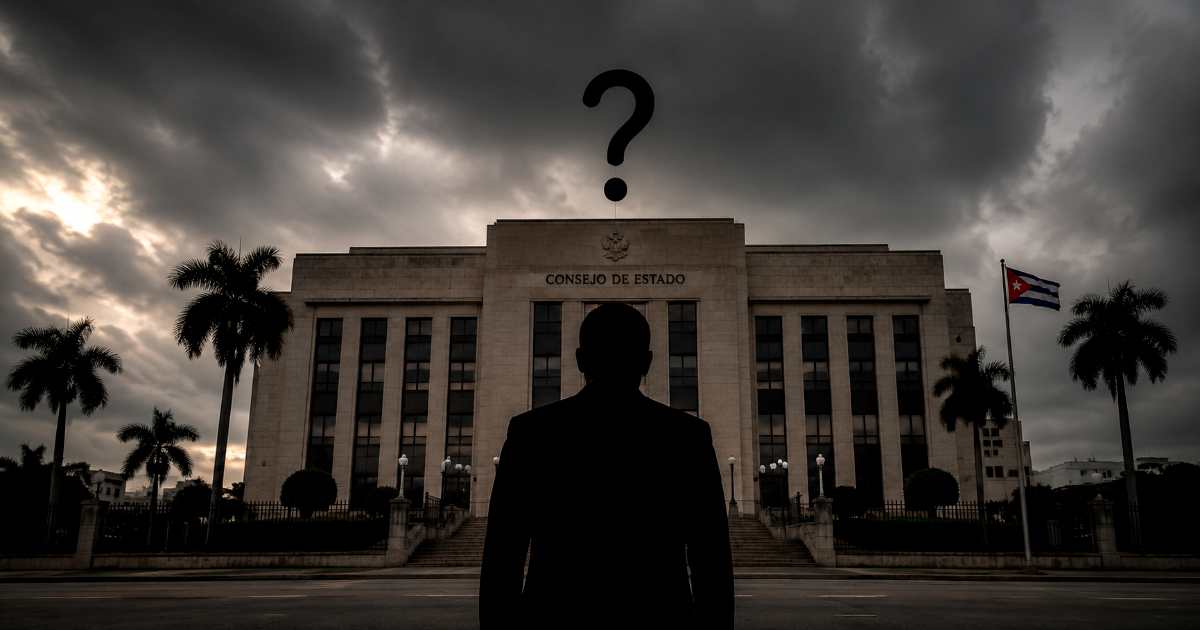
The possibility of a political transition in Cuba after decades of communist rule raises an increasingly relevant question among opponents and exiles: who would govern the island if the current system collapses?
This is one of the debates addressed by the British magazine The Economist in a recent analysis about the future of Cuba, where it warns about the concerns of some sectors of the exile community that a potential transition might replicate a scenario similar to what happened in Venezuela, with a figure emerging from the very power apparatus taking the place left by the historic leadership.
The publication references the Venezuelan case as a necessary example. After the capture of Nicolás Maduro by American forces in January of this year, Delcy Rodríguez took charge as interim president within a structure that retained a significant portion of the control mechanisms inherited from chavismo.
According to The Economist, some leaders of the Cuban exile community believe that a similar scenario would be unacceptable for Cuba. Marcell Felipe, president of the American Museum of the Cuban Diaspora, stated to the magazine that Venezuela "is not a model that the community will accept for Cuba."
For those who advocate for a deep transformation of the island, the goal would not be to replace one figure with another within the same power structure, but rather to move towards a real democratic opening.
However, the magazine itself highlights a fundamental difference between the two countries: Cuba may not have an equivalent figure to Delcy Rodríguez.
Ricardo Zúñiga, former U.S. diplomat and one of the architects of the engagement promoted by the Barack Obama administration, argues that the Cuban regime operates differently. In statements captured by The Economist, he asserted that U.S. authorities have not found a figure capable of playing that role because "that is not how the regime functions."
According to Zúñiga, power in Cuba operates as a "consortium of people with weapons and the will to maintain power," a description that highlights the influence of the Armed Forces, security agencies, and state-controlled economic structures.
The absence of a clear interlocutor complicates any scenario of negotiated transition. While in other authoritarian systems leaders may emerge willing to implement controlled reform, in Cuba power is distributed among various centers of influence that have the ability to block changes that threaten their interests.
Therefore, the discussion about the future of the island is no longer limited to the possibility of the regime's collapse. The question that is beginning to gain prominence is what type of leadership would emerge afterward and whether a potential transition would represent a real break with the current model or simply an internal reorganization of power.
The debate, which until a few years ago seemed distant, now occupies space in international media and among influential figures of the Cuban exile community, reflecting the growing attention being paid to potential scenarios for a post-Castro Cuba.
Filed under: