
Related videos:
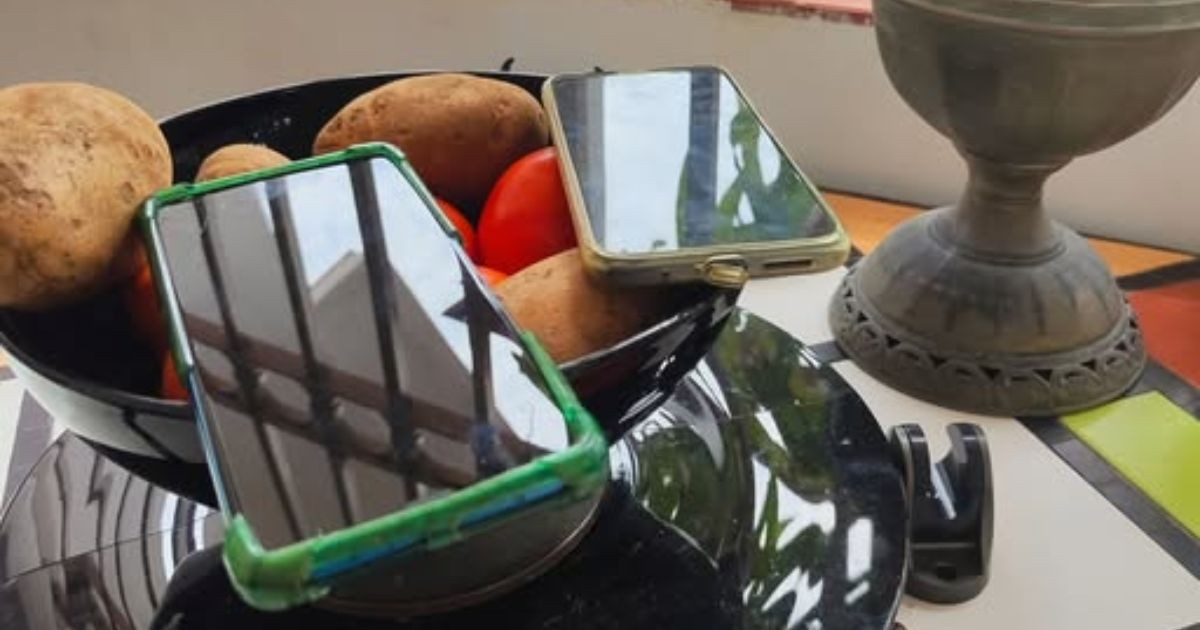
Two thieves took advantage of a brief moment of distraction to enter a house on 6th Street in Vedado this Saturday, just two blocks from 23rd Avenue—the most central artery in the capital of Cuba—and stole the mobile phones of two neighbors that were charging in the living room while they cooked beans and did laundry.
The event was reported on Facebook by Cuban historian and professor Julio César González Pagés, who described the scene with bitter irony.
The paradox recounted by the academic is revealing of Cuba in 2026: the day had begun with an almost miraculous rarity. "It seemed like a good start to Saturday with gas, water, and the arrival of electricity in block 2 at 8:15 a.m. in West Vedado. The neighbors couldn't believe it with so many options that life had to offer," González Pagés wrote. That moment when gas, water, and electricity coincided—a rare exception on the island—was precisely what the criminals took advantage of.
The two women were mourning the loss of their phones, which the academic described as "the only means of communication with their family outside of Cuba." In the current Cuban context, a cell phone is not a dispensable item: for thousands of families, it is the only channel to stay in touch with relatives abroad and, in many cases, the only way to receive remittances. Losing it equates to almost total isolation.
"The thieves do not rest; they are constantly on the lookout for a moment of carelessness," warned González Pagés, ending his post with a phrase that captures the mood of the neighborhood: "There is no Saturday without sun and theft in the west of Apagonia; be careful, this story is not fiction even though it may seem like it."
The robbery that occurred this Saturday is the latest link in a chain of violence that the academic has been documenting throughout the week. On Wednesday, he suffered an attempted mugging at the hands of two minors while returning from shopping, and he warned that “the elderly are now the center of robberies and assaults.” On Thursday, he reported more than 30 burglaries in homes in just one week in the area between Zapata and 23, and between Paseo and 12. That same day, neighbors captured a thief who had smeared grease on his body to make his capture more difficult; from the police patrol, the detained man threatened to return to “hit back harder.” On Friday, the neighborhood woke up dismayed by the murder of a neighbor on 27th street, found dead with four stab wounds in the park at 23 and Avenida Paseo.
The term "Apagonia" ironically transforms into a toponym for Cuba, reflecting the unfortunate condition of frequently experiencing power outages. The nation is enduring in 2026 the worst energy crisis in its recent history, with power outages lasting up to 24 consecutive hours in Havana and many more in other provinces; experiencing a generation deficit that exceeded 2,100 megawatts in May.
Insecurity is not just a perception: the Cuban Observatory of Citizen Audit recorded 2,833 crimes in 2025, an increase of 115% compared to 2024, with thefts being the most common offense: over 1,500 cases. González Pagés links the rise in juvenile delinquency to the abrupt end of the school year and widespread precariousness.
In response to the regime's inaction, the residents of Vedado have organized themselves into night patrols. "I sleep with one eye open like dogs every night. The Vedado neighborhood is the closest thing to the Wild West at dawn with the shouts of neighbors hunting down thieves," described the academic.
The educator himself, with several published books and a commendable career at the University of Havana, has paid a price for his denunciations: he removed a photograph from a previous publication because, as he explained, "the guardians of the faith have already activated not to catch thieves, but to silence the whistleblowers."
Filed under: