
Related videos:
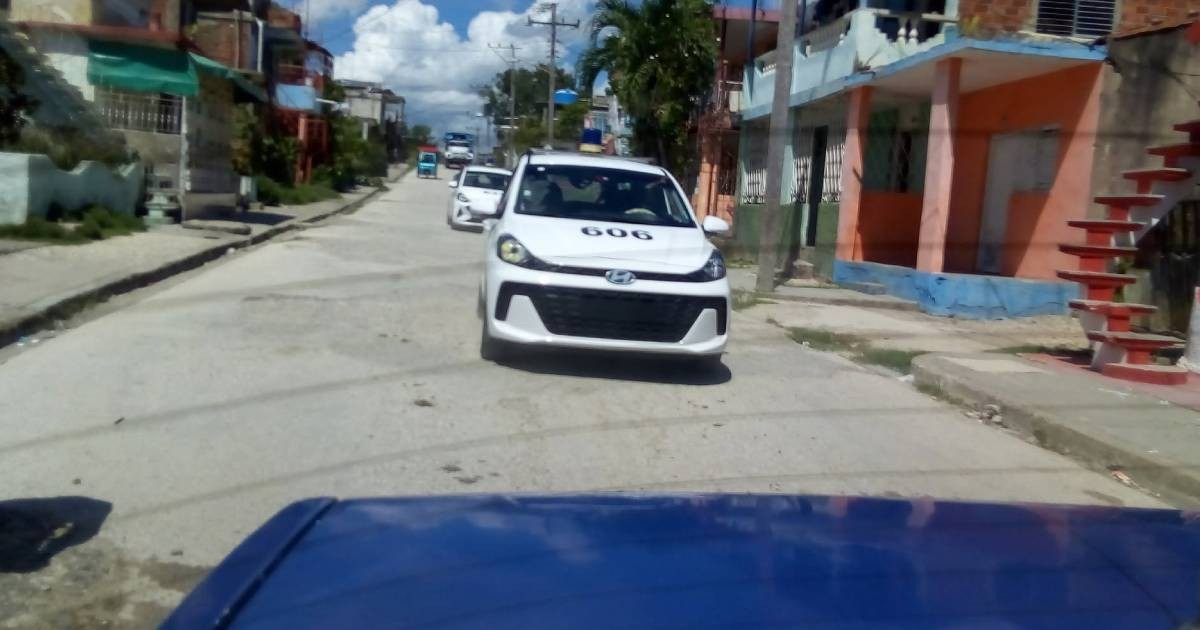
The 427 police patrol in Holguín detained two women accused of illegally selling medications, including domestically produced drugs and substances controlled for their psychotropic effects, according to the Facebook profile "Realidades desde Holguín", associated with the Ministry of Interior in the province.
The operation took place near 13th Street in the main municipality, an area identified by the authorities themselves as having “a history of these types of criminal activities.” Among the confiscated products were Cuban-manufactured drugs and others included in the list of controlled substances established by Ministry of Public Health (MINSAP) Resolution No. 25/2022.
The publication, written in an institutional tone, warned that "those who threaten public health and the availability of medications for the population, especially controlled substances, must know that the full weight of the law will fall upon them."
However, the citizens' reaction in the comments strongly contradicted that official narrative.
Most of the more than 140 comments defend the detainees by considering them providers of a service that the State does not guarantee, and point out the contradiction of targeting street vendors while pharmacies have been out of stock for months or even years.
"I do not agree with those illegal sales of medications, but if there is nothing in the pharmacies, what should we do, wait for death? Implement measures, but also provide solutions. The people do NOT have medicine," wrote a user.
Another commentator was more straightforward: "I have been buying enalapril on the black market for months; otherwise, my husband and I would have died."
Several citizens pointed out that Street 13 in Holguín operates as an open market, well-known to everyone, including the authorities, and that even doctors refer their patients there when hospitals are out of supplies.
"That is happening because both the government and all the involved agencies, including MININT, allow it. For years, everyone has known that these products are sold in those streets, because even professionals refer patients or their families to that place to obtain them, including other necessary resources like anesthesia for an operation," noted another user.
The question that comes up most frequently in the comments focuses on the supply chain: if domestically produced medications are not reaching pharmacies, where are they coming from for the informal market? "Look for the root of the problem, because those medications don’t just appear out of nowhere; there are people in charge signing them out of hospitals, meaning this comes from the top," wrote a Cuban user.
The structural context supports that perception. The Minister of Public Health himself, José Ángel Portal Miranda, acknowledged before the National Assembly in July 2025 that the coverage of the basic health care package was only 30% and the availability in pharmacies was 32%.
Of the 651 medications in the basic Cuban formulary, more than 460 were in a state of total shortage or low coverage at the end of 2024, a situation that, according to available data, persisted into 2026.
This operation in Holguín is not an isolated case. In December 2025, seven people were arrested in Centro Habana for the illegal sale of medications; in July of that year, a nurse was arrested in Granma with stolen medications during her shift; and in October, a court in Villa Clara sentenced an individual to six years in prison for the illegal sale of medical supplies.
Across Cuba, a recurring pattern emerges: medications leave the state system and enter the informal market, where they are sold at prices that many Cubans cannot afford, yet these are their only option in the face of the collapse of the public health system.
Filed under: