
Related videos:
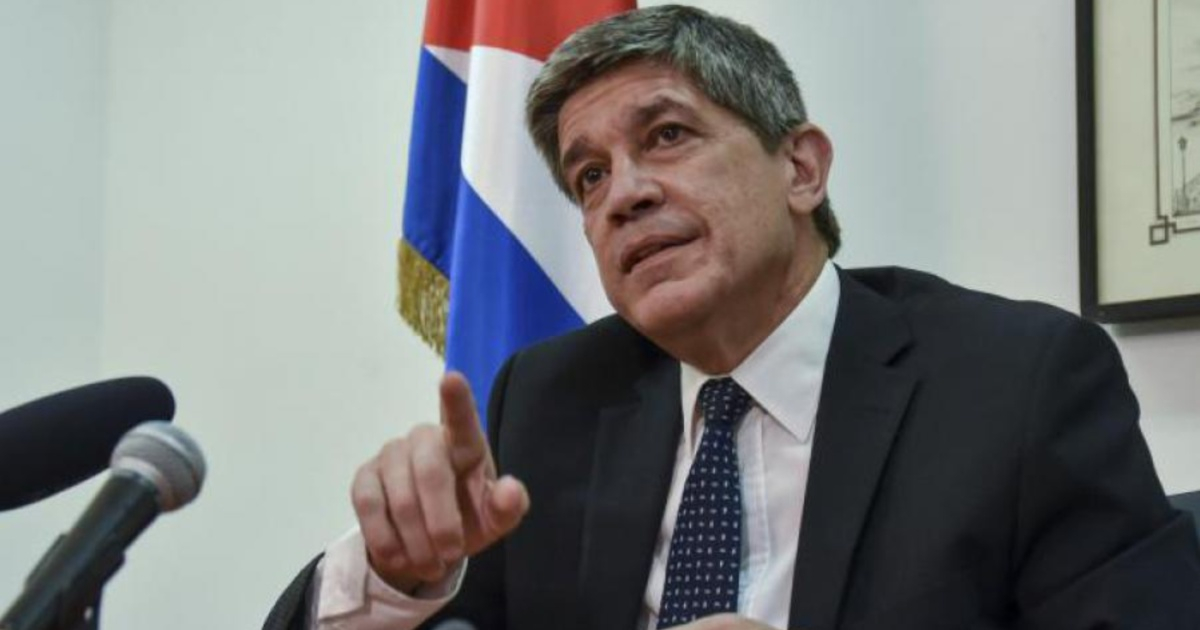
The Cuban Deputy Foreign Minister Carlos Fernández de Cossío published a text in which he accuses the Cuban exile community in South Florida of promoting what he describes as an "aggressive and vengeful" agenda against Cuba, and refers to this sector as "the anti-Cuban brotherhood in South Florida."
In the text, the regime official claims that this group "represents the feelings of a tiny segment of the American political landscape and even of the Cubans living in that country," but exerts a "disproportionate influence due to the corrupt nature, the role of money, and the capacity for deception within the political system of the regime that welcomed them as pawns."
Fernández de Cossío states that the representatives of this sector direct their anger "not only against the Cuban people and many Cubans living in the U.S., but also against American citizens and entrepreneurs from that country for associating or wanting to associate with Cuba, something that many people consider a right."
The deputy foreign minister describes the politicians who support that agenda as "politicians for sale or rent" who, due to "political ambitions," act as "the coercive and repressive arm of the great empire to crush anyone who acts or speaks out against the unjust, abusive, and senseless war that the Cuban nation is suffering."
He closes his text with a phrase laden with irony towards the hard exile: "There is an unmistakable stench of desperation among them due to the delay in fulfilling their longing for conquest."
The statements come in the context of growing tension between Havana and sectors of the Cuban exile community in Miami.
Fernández de Cossío has maintained a consistent line of discourse throughout 2026, frequently attacking figures such as Secretary of State Marco Rubio and the Cuban-born congressmen.
On May 24, the Deputy Foreign Minister declared that Cuba is ready to engage in dialogue with the United States on bilateral issues, but rejected any interference in the island's political system and attributed Cuba's economic crisis to a "calculated plan" by Washington to inflict hardship on the population.
Two days later, on May 26, he described those who support a potential U.S. military intervention in Cuba as "accomplices" and warned of the risk of a "bloodbath," as reported by the Nodal portal in its coverage of the statements.
The text published this week follows the same line, but with a particularly confrontational tone towards the Florida exile community as a political actor with influence in Washington, which the Cuban regime blames for sustaining maximum pressure policies against the island.
Filed under: