
Related videos:
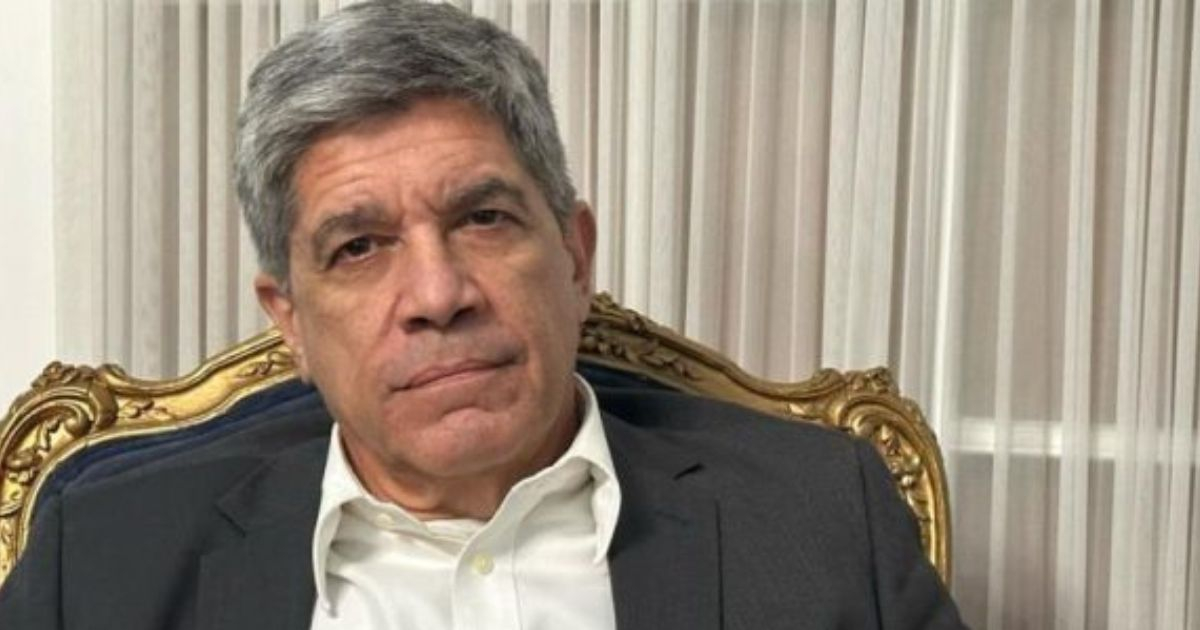
The Cuban Deputy Minister of Foreign Affairs Carlos R. Fernández de Cossío published this Tuesday on his Facebook account a text in which he describes the crisis in Cuba as a "phenomenon of destructive damage induced by the U.S. government" and asserts that if Washington ends its "aggression," the "alleged problem of Cuba" will cease to be discussed.
The official, the Deputy Minister of Foreign Affairs and a regular spokesperson for the regime on issues related to the United States, also directs his criticisms at the international press, accusing it of reporting on the island's difficulties without issuing a moral judgment on what he calls "collective punishment" and "widespread human damage."
"They do not issue any moral judgment regarding collective punishment and widespread human suffering, let alone about the lack of a legitimate excuse that would justify the assault on an entire people," wrote Fernández de Cossío.
The deputy foreign minister notes that corporate media in the U.S., Europe, and Latin America "emphasize the significant challenges and difficulties faced by Cuban society and its government in dealing with aggression, as if they were responsible for it."
In his publication, Fernández de Cossío also specifies that the "aggression" from the United States "did not begin in January 2026," making an implicit reference to Executive Order 14380 that President Donald Trump signed on January 29, 2026, through which he declared Cuba an "unusual and extraordinary threat" to the national security of the United States.
A second executive order signed on May 1st expanded sanctions with extraterritorial reach against foreign banks and companies operating in key sectors of the Cuban economy, including energy, defense, mining, and financial services.
According to official Cuban sources, since January 2026, more than 240 new sanctions have been imposed on the island, and at least seven tankers carrying oil intended for Cuba have reportedly been intercepted, resulting in an estimated decline of between 80% and 90% in energy imports.
The publication by Fernández de Cossío is part of a sustained rhetorical escalation by the Cuban regime. On May 3, Díaz-Canel warned delegates from 36 countries about the "imminence of a military aggression" from the U.S. and invoked the doctrine of the "War of the Whole People."
On May 18, Díaz-Canel warned that a U.S. aggression would result in a "bloodbath of incalculable consequences," and last Sunday he described three scenarios that, according to him, Washington has in mind for Cuba: provoking a social outbreak, imposing a coercive dialogue, or executing a direct military aggression.
Fernández de Cossío himself had published on May 14 a text titled "Cuba, the U.S., and Threats" and three days later accused the U.S. of intensifying a campaign to justify a possible military aggression against the island.
What the regime omits in its narrative is that the Cuban humanitarian crisis has structural roots in over six decades of failed economic management under the communist system, regardless of the recent tightening of the embargo. The that power outages last up to 20 hours in some areas, more than 100,000 patients —including over 11,000 children— are awaiting postponed surgeries, and around five million people with chronic illnesses are experiencing interruptions in their treatments.
Fernández de Cossío concluded his publication with a phrase that summarizes the official stance of the regime: "Put an end to that aggression and the supposed problem of Cuba will stop being discussed."
Filed under: