
Related videos:
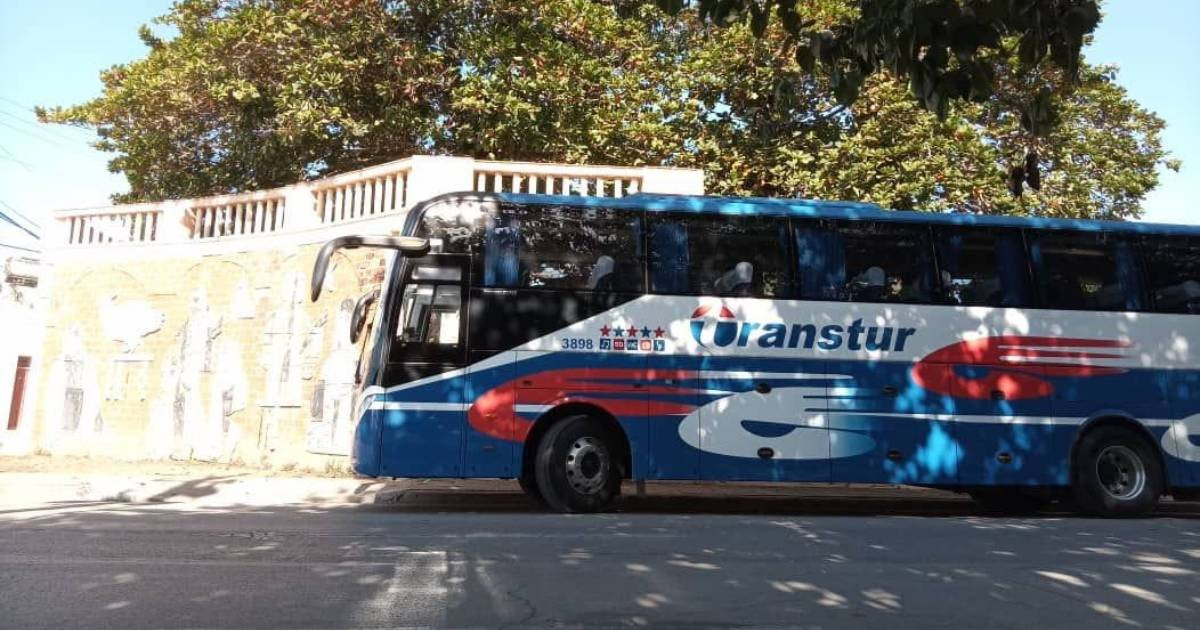
Amid the collapse of international tourism and historically low hotel occupancy rates, the state-owned company Transtur has launched a summer promotion for its panoramic buses in Havana and Varadero targeted at the domestic market, with prices set in dollars or their equivalent in Cuban pesos.
The offer, announced this Tuesday on the official Facebook page of Transtur, will be valid until August 31 and includes free admission for two children under 12 for each paying adult.
Under the slogan "This summer we want families to enjoy more and spend less," the company aims to attract domestic customers to its traditional urban tourist routes.
In Havana, the ticket costs 10 dollars or 5,500 Cuban pesos per adult and includes a tour from Central Park to Marina Hemingway. In Varadero, the price is five dollars or 2,750 Cuban pesos, departing from the Gran Aston hotel and touring the main tourist area of the resort.
The company clarified that the promotion does not apply to transfers between cities, but exclusively to the usual scenic tours that operate in both destinations.
The launch of the offer coincides with one of the most challenging times for the Cuban tourism industry. According to official data, only 30,883 international visitors arrived in the country in May 2026, one of the lowest monthly figures recorded in years.
Between January and May, Cuba received only 359,491 foreign tourists, which represents a decline of 58.4% compared to the same period last year.
The contraction is also reflected in hotel occupancy rates. During the first quarter of 2026, hotels on the island operated with an average occupancy close to 13%, a level that specialists consider insufficient to ensure profitability.
Additionally, there are challenges caused by the energy crisis and fuel shortages for aviation. Since February, more than 1,700 flights to Cuba have been canceled or rescheduled, while several international airlines have significantly reduced their operations to the island.
In response to the decline in foreign tourism, authorities have sought to boost the domestic market as an alternative. In recent weeks, summer promotions have also been announced for hotels and recreational centers aimed at attracting Cuban clients.
However, the main obstacle remains the purchasing power of the population.
The average state salary in Cuba remains below 7,000 pesos per month, so a ticket costing 5,500 pesos for a bus tour represents a significant expense for many families.
The focus on domestic tourism is not new either. In 2025, there was a slight increase in domestic travelers, but the revenue generated by this segment remains significantly lower than what international tourism traditionally contributed.
A representative from Cubatur publicly admitted in June that “tourists are afraid to come to Cuba”, while the Díaz-Canel government announced the opening of the sector to “new players” after the exit of chains like Meliá, Iberostar, Blue Diamond, and Archipelago.
Economists project that Cuban tourism will end 2026 between 30% and 40% below the already meager results of 2025, when the island received 1.36 million international visitors compared to 1.72 million in 2024.
Filed under: