
Related videos:
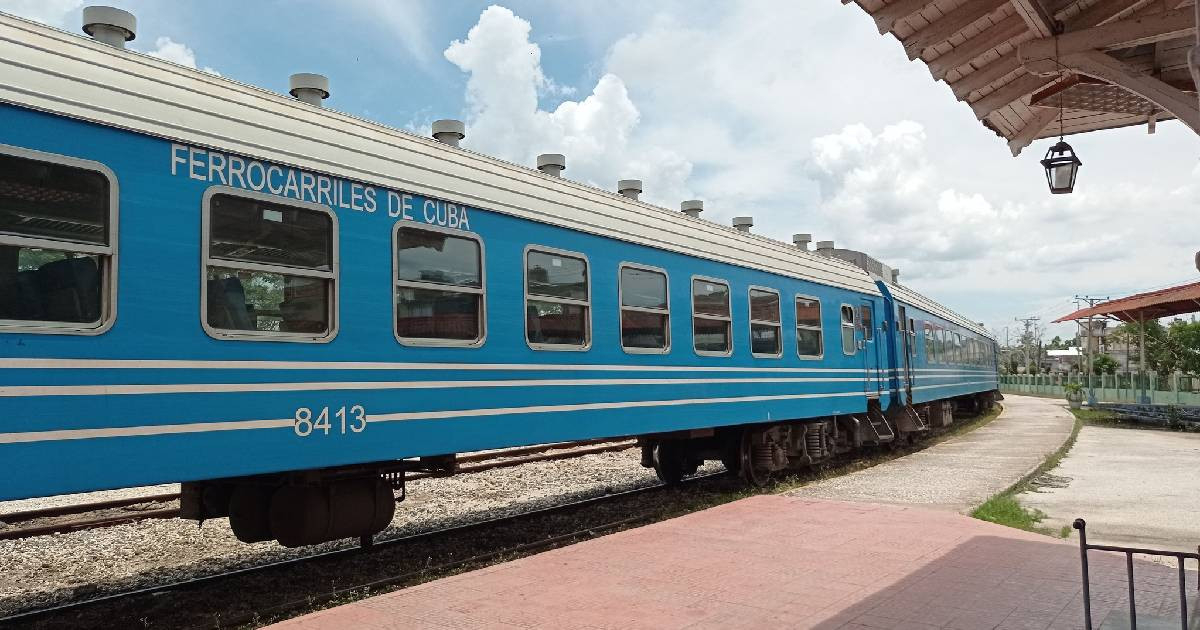
Jorge Oliva Yero, director of Trenes Nacionales de Pasajeros, announced this Tuesday that the company will launch special trains during the summer season to expand, in a limited way, travel options for the public amidst an unprecedented railway crisis.
The announcement comes at a time when regular trains operate with a frequency of just one departure every 16 days per destination, a direct consequence of the fuel shortage that is crippling the system.
Oliva Yero attributed the situation to the so-called "energy blockade" and its effects on rail services.
According to the director, the special trains are designed to meet the needs of state organizations, but they will also benefit the general population.
The three priority groups are: teachers and students from the eastern provinces who work or study in Havana, with travel planned for late June and early July, returning at the end of August and early September; construction workers from areas between Matanzas and Guantánamo who will be transferred back to their provinces of origin; and patients along with relatives of hospitalized individuals who need to travel.
Oliva Yero specified that, although these services respond to institutional demands, the trains return with about 80% of their capacity occupied by general passengers, which "will allow for a slight increase in travel options during the summer."
The context in which this announcement is made is one of railway collapse.
Since June 18, the Ministry of Transportation has implemented a new system that removes the open sale of tickets and transfers the control of seats to provincial commissions, which decide who can travel based on priority criteria: medical appointments, hospital discharges, the death of a relative, or return to the place of origin.
The system has been operating in emergency mode since February 2026, with only 63% of the planned trains available and a critical shortage of locomotives and spare parts. In May, a trip from Holguín to Havana took 27 hours due to the deterioration of the infrastructure.
Technical problems are compounded by recent accidents. On June 3, train number 13, en route from Santiago de Cuba to Havana, derailed in Omaja, Las Tunas, with about 900 people on board, with no injuries reported. Three days later, another passenger train was stranded in the middle of the tracks.
The collapse of the Cuban railway system is structural: the number of passengers transported plummeted from 33 million in 1992 to 7.8 million in 2016, and the decline has not stopped.
Trenes Nacionales announced that it will publish the specific schedules for the special services in future communications "so that the public can manage the reservation of their ticket, according to the available capacities."
Filed under: