
Related videos:
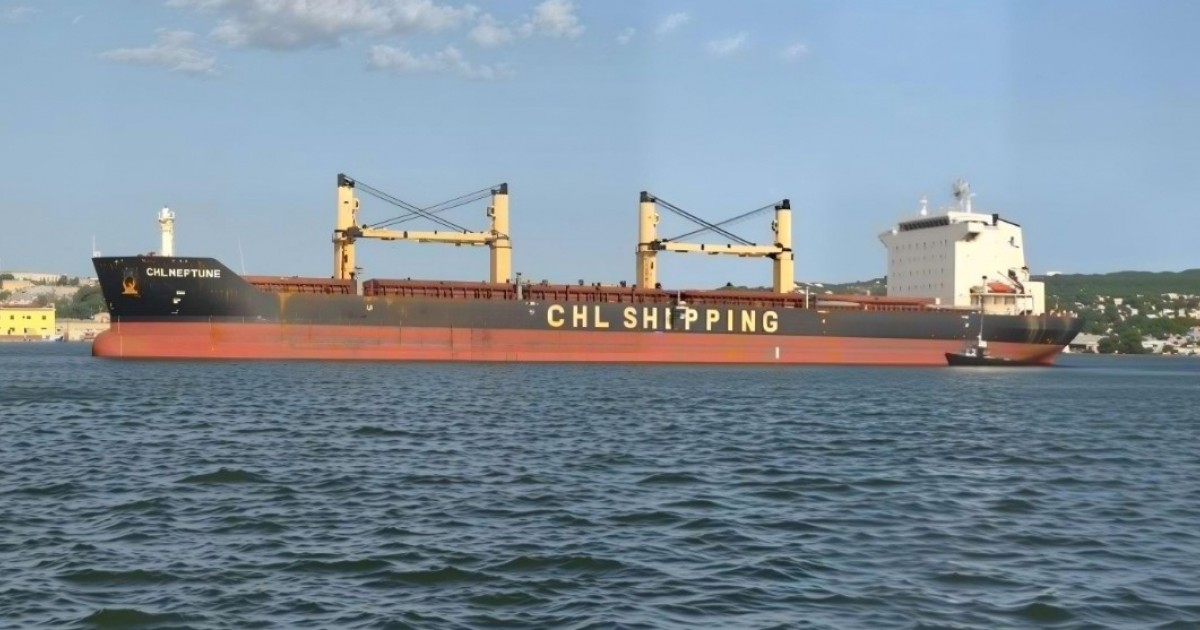
The vessel CHL Neptune docked on Saturday at the Port of Santiago de Cuba with 15,000 tons of rice donated by China, as announced by the Chinese ambassador to the Island, Hua Xin, through his account on X.
The diplomat described the shipment as a demonstration of "the unbreakable brotherhood between both Parties and peoples."
The shipment corresponds to the second batch of the emergency package of 60,000 tons approved by Chinese President Xi Jinping in January.
That shipment is distributed in four consignments of 15,000 tons each: two destined for the Port of Havana and two for the Port of Santiago, which serves as the entry point for supplying the eastern provinces of the country.
The first shipment of this package of 60,000 tons arrived at the Port of Havana on May 23, but its unloading took nearly 29 days, almost three times the original timeline of 10 days.
The regime attributed the delay to fuel shortages resulting from U.S. sanctions, although internal logistical deficiencies were also highlighted.
Reinier Lores Riverón, director of ASEGEM -the entity of the Ministry of Domestic Trade (MINCIN) responsible for supply logistics-, acknowledged the noncompliance, but blamed Washington for the delay in the unloading of rice.
In addition to a initial commitment of 30,000 tons announced also in January, the total amount of rice committed by China to Cuba this year rises to 90,000 tons, the highest historical volume of donations of that grain between the two countries.
Xi Jinping's emergency package also included 80 million dollars allocated for electrical equipment.
The arrival of this second shipment at the Port of Santiago is crucial for Eastern Cuba, a region that has historically lagged behind in food distribution.
The Minister of Domestic Trade, Betsy Díaz Velázquez, stated that Chinese rice will benefit 9,600,000 consumers across all provinces, as well as educational and health institutions.
The context in which the shipment arrives reflects the depth of the food crisis facing Cuba.
National rice production dropped from 304,000 tons in 2018 to just 111,000 in 2025, against an annual demand of 600,000 tons, forcing the country to import or receive as donations around 95% of the rice it consumes.
In the informal market, the price per pound of grain exceeds 400 Cuban pesos in some areas of the country.
The standardized family basket for June depends almost entirely on international donations, not on local production or state purchases.
The delay of almost a month in unloading the first shipment in Havana raised alarms about the regime's logistical capacity to distribute aid on time and sparked a wave of criticism on social media.
"After more than 60 years of revolution, Cuba has to rely on rice donations to feed its people," wrote a Cuban user upon learning about the shipments.
Chancellor Bruno Rodríguez also warned that "the lack of fuel prevents nearly 50% of the medicines produced in Cuba in recent months from being distributed throughout the country," illustrating that distribution problems go far beyond rice.
Filed under: