
Related videos:
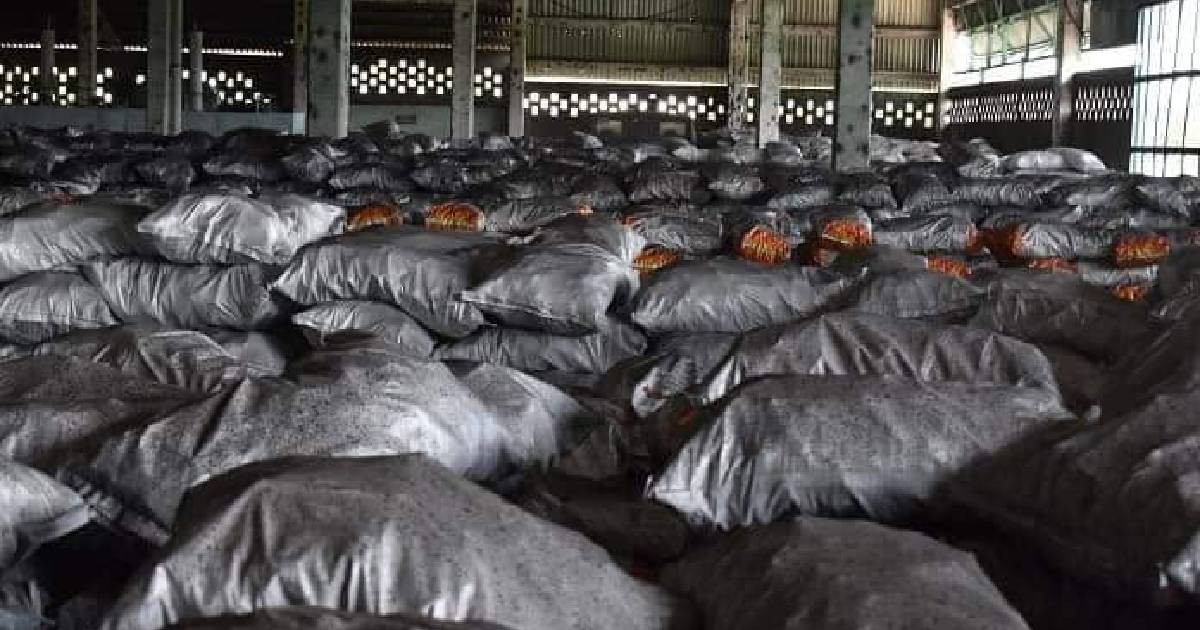
Las Tunas produced only 682 tons of charcoal for export in the first five months of 2026, just 16% of the planned 4,143 tons, in a province that paradoxically has one of the highest densities of marabú in the country.
The provincial delegate of the Ministry of Agriculture, Luis Manuel Peralta Agüero, attributed the failure to the shortage of fuel and material resources for the cutting and extraction of the invasive plant, as well as to the lack of labor in the six state entities involved in the activity: the companies of Acopio, Agroforestal, Agroindustrial de Granos, municipal Agroindustrial Las Tunas, Flora and Fauna, and Agroint, the latter being the only one that shows positive results.
The contradiction is striking, as Peralta himself acknowledged that "the high density of marabú present in Las Tunas is sufficient to produce between 15,000 and 20,000 tons of charcoal per year, but he warned that "in the midst of the current economic-financial crisis, it will not be possible to recover the productive rhythm," noted the digital portal Tiempo 21.
The production intended for domestic consumption surpassed its plan, with approximately 732 tons collected by May against a target of 228. However, this figure is negligible in light of the actual demand from households in Las Tunas, who rely on coal as their main cooking fuel amid the worst energy crisis in Cuba's history.
According to the official from Tunero, producing more and better organizing marketing are the two pending challenges for the provincial agricultural sector, measures that, if implemented, "will result in a decrease in prices and relief for families in light of the instability of the National Electroenergy System."
Coal is scarce at agricultural fairs, where it is sold at affordable prices, forcing the population to turn to the informal market at significantly higher rates.
On a national scale, the price of a sack of charcoal increased from costing between 900 and 1,400 pesos in December 2024 to between 3,200 and 5,000 pesos in June, in a country where the official average salary hovers around 6,930 pesos per month.
The energy collapse worsens the situation. Cuba ceased to receive Venezuelan crude since November 2025, and Mexico suspended its shipments in February.
Alongside the rise in the electricity deficit, which most Cuban families rely on for cooking, liquefied gas is virtually inaccessible, with prices ranging from 10,000 to 50,000 pesos in the informal market.
The Camagüey government set an official price of 1,400 pesos for a 20-kilogram bag as of June 21, while in other provinces, authorities fined those attempting to produce artisanal charcoal to address local shortages.
In Santiago de Cuba, with power outages exceeding 20 hours a day, residents are setting up artisanal ovens between buildings in the absence of alternatives.
The structural paradox is that the State prioritizes coal exports to earn foreign currency—Cuba generated $61.8 million from this commodity in 2023 and ranks as the ninth largest exporter in the world—while millions of families cannot afford it in the domestic market.
Filed under: