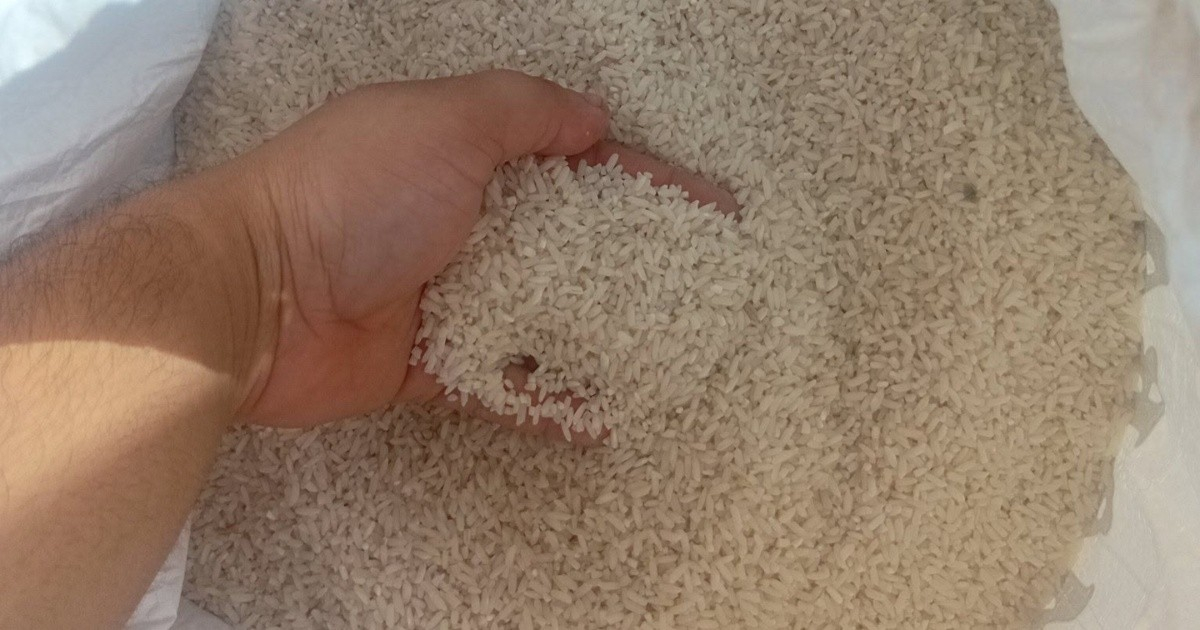
The Ministry of Domestic Trade (MINCIN) announced this week on its official channels the start of the distribution of three pounds of donated rice in Ciego de Ávila, beginning with the municipality of Baraguá. However, the publication sparked a wave of criticism and accusations of deceit from Cubans who have been waiting for promised deliveries that never arrived for months.
According to the official announcement from MINCIN on Facebook, the third round of donations for vulnerable cases and pregnant women is also ongoing, providing four kilograms of rice per person, with the census closing on May 31.
Far from providing relief, the publication turned into a space for collective demands. Dozens of users asked when rice would arrive in their municipalities or provinces, while others reported that previous announcements never came to fruition.
"How about Morón, in Ciego de Ávila... when?", wrote one user. "And when for Ciego de Ávila?", asked another. Responses from other provinces quickly followed: "And what about Villa Clara?" and "In Camagüey, nothing at all, not even a post."
The most serious complaints pointed to inequality in distribution and the hunger that has built up. "In the municipality of San Germán, they haven't even distributed the six pounds that were announced a while ago... people are dying of hunger," wrote a citizen.
Another one questioned: "Why are they going to give three pounds in the municipality of Florencia, and what’s the difference if we live in the same province?"
There were also complaints from Holguín: "When are the eight pounds of rice announced for the entire population going to be distributed?" The distrust towards official announcements was summarized in phrases like "They already announced the other ship, and we never received it. Will it be the same this time?" or simply: "Lies."
Discontent is rooted in a history of unmet commitments. As of July 11, Ciego de Ávila was one of five provinces—along with Villa Clara, Cienfuegos, Sancti Spíritus, and Camagüey—with delays in the distribution of rice donated by China, while Las Tunas, Holguín, and Granma had already received eight pounds per capita.
The rice that the regime distributes comes from a Chinese donation of 90,000 tons committed for 2026, of which the first 15,000 tons were announced in May.
However, in the informal market, the grain reached between 360 and more than 400 Cuban pesos (CUP) per pound in July, compared to an average state salary of about 7,000 CUP per month.
The context is even more serious considering that on July 16, the government eliminated the maximum retail price for rice through Decree 156 —set at 155 CUP per pound— without publishing a new official substitute price.
The crisis of the ration book is not limited to rice. In June, regime officials acknowledged that in 2026 oil, chicken, and yogurt had not been distributed, and that only one round of coffee had been delivered in Havana.
The situation worsens because on June 18, Díaz-Canel announced that the ration book will no longer be universal and will be reserved for retirees, chronic patients, and vulnerable individuals, as part of a package of 176 economic measures representing the largest cut to the rationing system since its establishment in 1962.
Related videos:
Filed under: