The increasing dissemination of the report 'Cuba: The Capital of 21st Century Communism', published by the State Department, seems to have triggered a response from Havana.
The Cuban ambassador in Mexico, Eugenio Martínez Enríquez, denounced this Tuesday what he called a "desperate campaign" from Washington to amplify the theses of the document in media and social networks.
In a post on Facebook, the diplomat wrote: "Am I being deceived by the algorithm, or is there a desperate campaign underway by the State Department to insert its lies into U.S. media to justify the criminal blockade and an invasion of Cuba?"
According to the diplomat, "unknown individuals appear on TV lying at any hour about Cuba. And the State Department's account is stirred up to spread falsehoods about the largest of the Antilles."
Beyond questioning the content of the report, the ambassador's message highlighted the visibility it has gained since its publication on July 20.
Martínez Enríquez explicitly mentioned the presence of the issue on US television and the intense activity of the official accounts of the State Department on social media, which he attributes to a coordinated dissemination campaign.
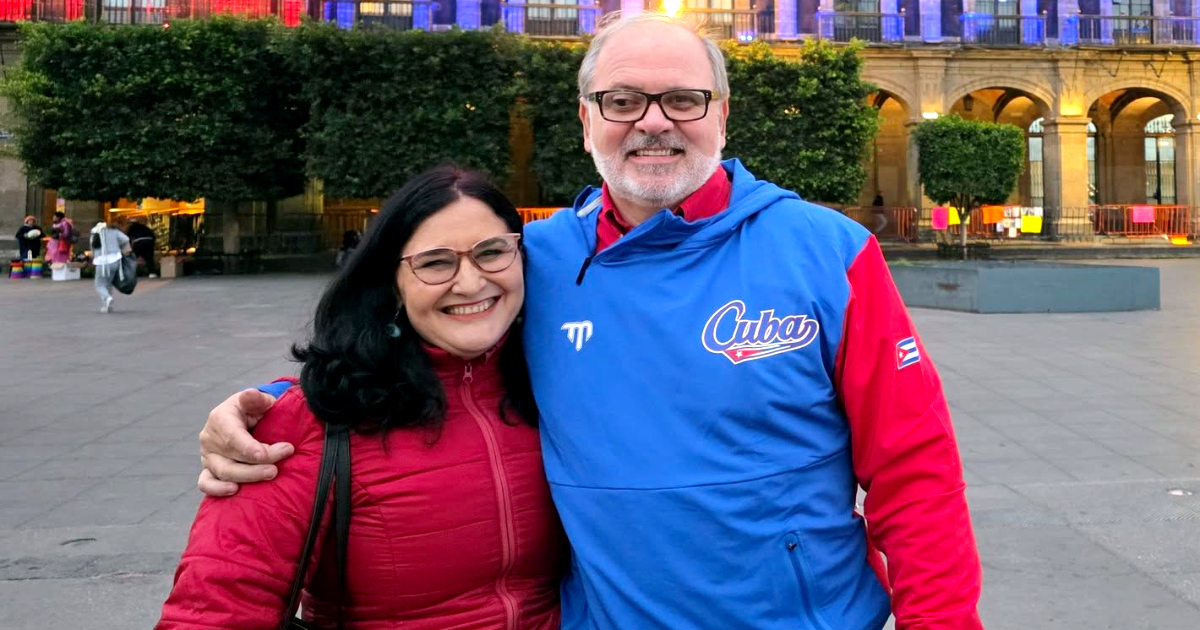
The diplomat is married to Johana Tablada de la Torre, one of the main spokespersons for the Ministry of Foreign Affairs (MINREX) and one of the most visible figures in the Cuban regime's international communication. Both were assigned to Mexico, a country regarded as a key diplomatic post for Havana due to the significance of the bilateral relationship and the political influence it holds in the region.
The ambassador's reaction coincides with a moment when the theses of the report have successfully moved beyond strictly institutional settings to establish a broader conversation within the United States.
In recent weeks, the document has been the subject of coverage on television networks, digital media, political analysis programs, official accounts of the Department of State, congress members, content creators, and influencers, as well as organizations both supporting and opposing Washington's policy towards Cuba.
This public exchange reflects that the debate no longer solely revolves around sanctions or bilateral relations, but also about Washington's characterization of the Cuban regime as a player with political influence, intelligence, and international projection.
In several analyses published by CiberCuba, it has been pointed out that the true significance of the report may lie less in the measures it announces —which are practically nonexistent— than in the change in the conceptual framework it proposes.
The document portrays Cuba not only as a Latin American dictatorship but also as a national security threat to the United States, a perspective that aligns with the National Security Strategy of the Trump administration and the tightening of policy towards Havana in the past year.
In this context, the message from the Cuban ambassador is significant because it does not merely reject the conclusions of the report, but instead expresses concern about the growing breadth of the public conversation surrounding its theses and the resonance these are finding in media, social networks, and among U.S. political actors.
Related videos:
Filed under: