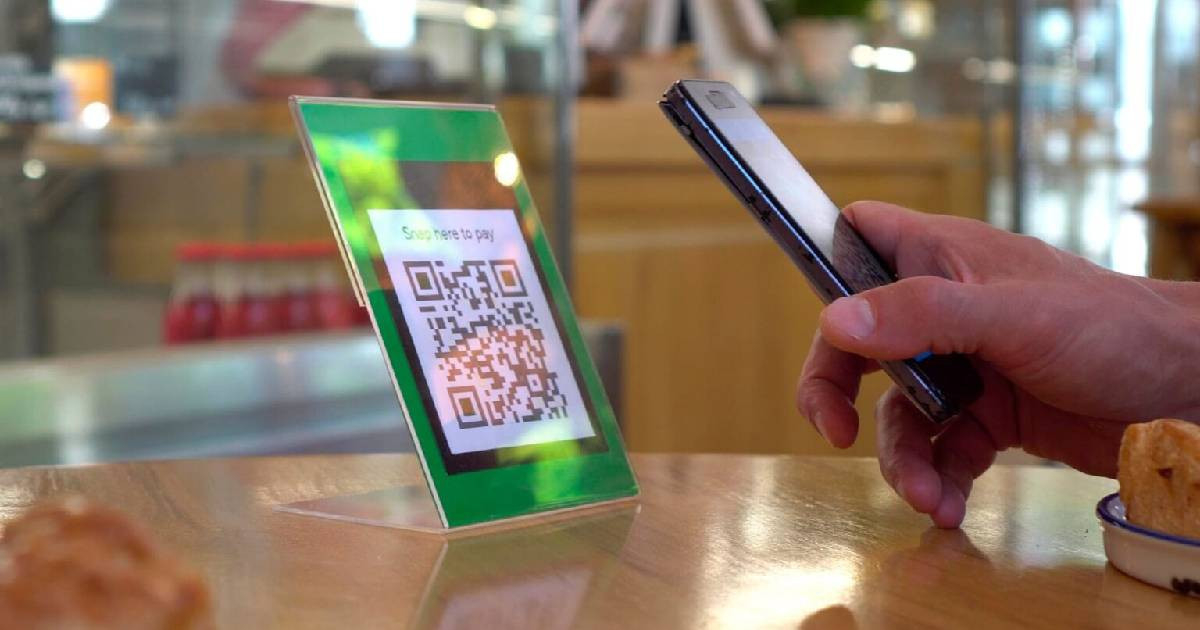
The authorities of the municipality of El Salvador, in the province of Guantánamo, warned on Friday that workers and private businesses that refuse to accept electronic payments are subject to fines and, in repeated cases, to the temporary closure of their establishments.
"The rule is clear: all self-employed workers are required to accept online payments for all their products and services. There is no middle ground," declared the municipal director of Supervision and Inspection Mariela Rodríguez Hernández in an interview with the summer magazine of Radio Guantánamo.
The official outright dismissed the most common justifications that inspectors encounter during their operations. "It's not acceptable to say it's 'half transfer, half cash,' or to argue that it's 'a single product' or that retirees must be paid in cash. Those are excuses that directly violate established regulations," she emphasized.
To encourage citizens to report merchants, the municipality of El Salvador has set up two channels: the landline 21294506 and the mobile number 63464979.
"The population should know that they have support and that reporting is an act of responsibility," concluded Rodríguez.
Venceremos summarized in July the magnitude of the issue by emphasizing that the banking crisis in the province "has ceased to be a banking difficulty and has become a social problem."
The threat comes at a time when the provincial government of Guantánamo itself acknowledged, in mid-July, that the banks do not have enough cash to meet the demand, while simultaneously ordering an intensification of inspections against those who do not accept transfers.
This structural contradiction is the same one that has undermined the banking policy at a national level; private businesses refuse transfers because their own wholesalers demand cash for restocking, creating a vicious cycle that no resolution has managed to break.
The failure is eloquent in numbers. Three years after the regime imposed mandatory banking through Resolution 111/2023 of the Central Bank of Cuba, only 3.77% of transactions on the island are digital, despite more than 15,240 fines imposed and 269 closures of establishments nationwide.
The coercive pattern is repeating in other provinces. This week, five businesses in Bayamo were closed for not accepting transfers and are now under the scrutiny of the National Office of Tax Administration.
In Isla de la Juventud, banking has also been a failure, as although 78% of establishments were using payment gateways, the infrastructure featured just 305 point-of-sale terminals for the entire population, official media in that region acknowledged weeks ago.
In Matanzas, some businesses charge surcharges ranging from 10% to 30% for digital payments, while in Sancti Spíritus less than 10% of private businesses accept transfers on a regular basis.
Related videos:
Filed under: