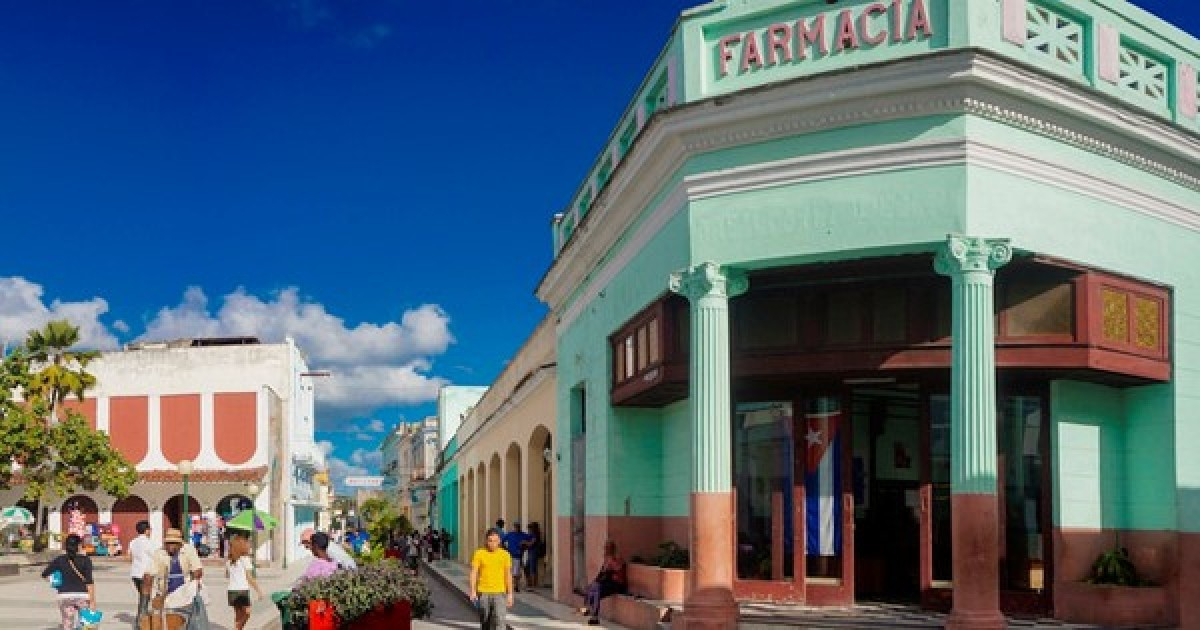
Micro, small, and medium-sized enterprises interested in operating private pharmacies in Cuba must complete a form and submit it to the corresponding Municipal Health Department as part of the process to obtain authorization.
Inty Martínez Morales, director of Local Development for the municipality of Sandino in Pinar del Río, explained in statements shared by Radio Sandino Cuba that the requirements vary depending on whether it is an existing company or a new creation.
Established SMEs must include in their corporate purpose the activities of "Pharmaceutical Services" and "Marketing of Medicines."
In the case of new mipymes, "the primary activity to declare must be Pharmaceutical Services, while the Marketing of Medications will be considered a secondary activity," the official specified.
Companies may also engage in other economic activities, even if they are not related to the pharmaceutical sector.
What do you need to open a pharmacy?
The procedure follows the entry into force of the , signed by Prime Minister Manuel Marrero Cruz, on August 4, and the elimination of the prohibition that prevented the non-state sector from providing pharmaceutical services.
The opening of a private pharmacy, however, is not automatic. Each establishment requires prior authorization from the Ministry of Public Health (MINSAP), qualified pharmaceutical staff, and appropriate conditions for storing and selling products.
Furthermore, they will only be allowed to market medications that have a valid health registration in Cuba. Medical and dental services remain reserved for the State.
Private pharmacies amidst a severe shortage
The opening to the private sector occurs amidst a severe medication crisis in Cuba. Miguel Díaz-Canel acknowledged this month that only 30% of the basic medication supply is available, which means that seven out of ten essential drugs are lacking.
In Ciego de Ávila, for example, out of 603 medications from the essential list, 306 were in shortage and another 151 were not available for distribution.
At least one private pharmacy is already operating in Regla, Havana, where medications such as pediatric cephalexin are sold for 2,000 pesos, nystatin for 1,200, and vitamins for between 2,000 and 3,000 Cuban pesos.
The arrival of these businesses provides an alternative in the face of shortages, but it also raises a key question: who will be able to afford those prices?
The concern is particularly focused on retirees and chronic patients who depend on subsidized medications. "Let's not forget about the state pharmacies. Because the elderly, the retirees, need to buy their medications at subsidized prices. If that disappears, we are condemning them," warned a Cuban on social media.
Related videos:
Filed under: