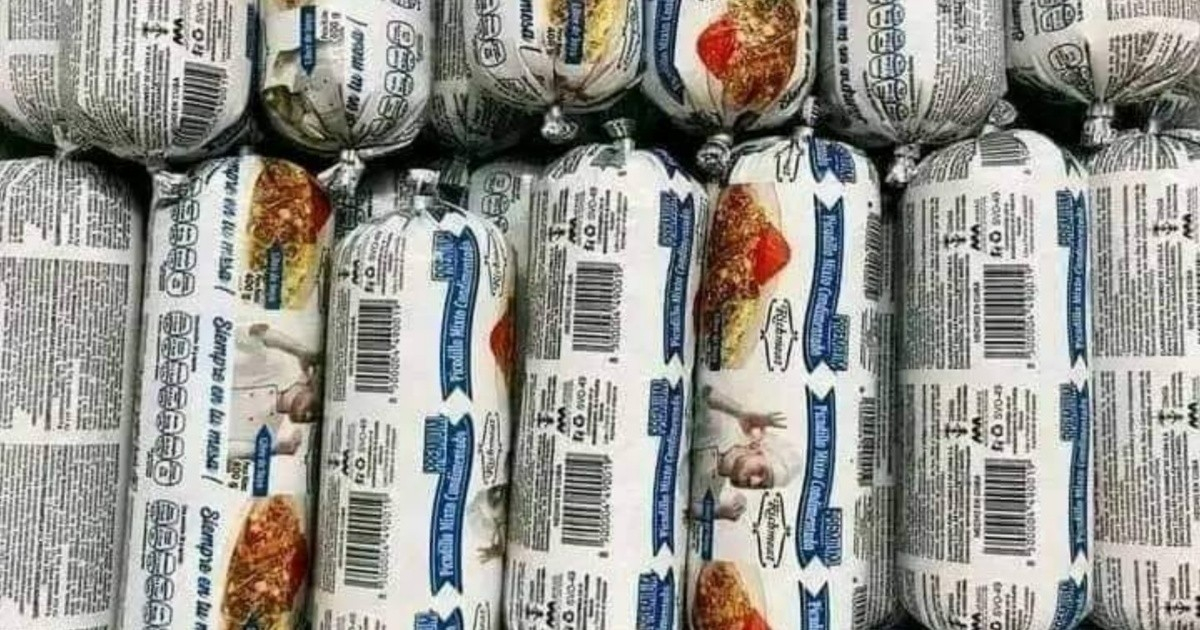
The MDM chicken picadillo —the most affordable protein source accessible to millions of Cuban families— increased from 450 to 600 pesos per pound in just a few days, according to a report shared on social media that illustrates the growing desperation of lower-income households on the island.
The publication, signed by Osvaldo De Jesús Figueroa Pérez, describes the product as "the daily dish for humble families, who constitute the majority of our people," and warns that the increase has no apparent logical justification: "If the dollar remains stable and the profit margin (up to 30%) must be respected, what then justifies this relentless increase?"
The rise in the price of picadillo does not occur in isolation. At the beginning of this year, it was priced between 280 and 330 pesos in some markets; by June, it was around 450 pesos. The most recent jump—to 600 pesos—coincides with the widespread price chaos unleashed by the Resolution 150/2026, signed by the Minister of Finance and Prices Vladimir Regueiro Ale on June 20, which eliminated national price caps on chicken, oil, powdered milk, pasta, and sausages.
Although the MDM picadillo was not explicitly included in that resolution, the domino effect was immediate. The package of chicken climbed from 3,000 to over 7,000 pesos in some areas of the country, and vegetable oil reached prices between 2,500 and 3,000 pesos per liter in Havana.
In the face of chaos, some provincial governments acted independently. On August 10, Matanzas set the price of picadillo at 350 pesos per pound in retail and set up phone lines to report abusive prices. The Isla de la Juventud also imposed a maximum price of 550 pesos per pound for the same product, as reported by the local government in August. However, there is no national coordination, and prices remain sky-high in most of the territory.
The background is harsh: the official minimum wage is 3,210 pesos per month since July —equivalent to about 4.65 dollars at the unofficial exchange rate— while covering the basic needs of a single person would require around 96,000 pesos per month. The official year-on-year inflation exceeded 20% in July, with food and non-alcoholic beverages contributing nearly two-thirds of the monthly increase in the consumer price index.
The collapse of the supply booklet worsens the situation. The Minister of Food Industry, Alberto López Díaz, publicly admitted in mid-year that the State had been unable to provide oil, chicken, or yogurt through the regulated channels. According to the Food Monitor Program, 96.91% of the Cuban population lacked adequate access to food in April and May, and 33.9% of households had at least one member who went to bed hungry.
The publication that sparked the complaint does not call for the elimination of the private sector, but rather for reasonable limits: "It's not about demonizing; it's about putting logic at the service of the people. It is necessary to set a limit on the excessive rise in everyday food prices for our people. How much longer?"
The question resonates with particular urgency on the eve of the school year, when family budgets are already stretched to the limit and ground chicken—the last protein refuge for millions of Cubans—becomes an unattainable luxury.
Related videos:
Filed under: