The Cuban government began mobilizing generators to support the first 29 water supply sources and boosters in Havana, in an attempt to prevent prolonged blackouts from leaving hundreds of thousands of the capital's residents without water as well.
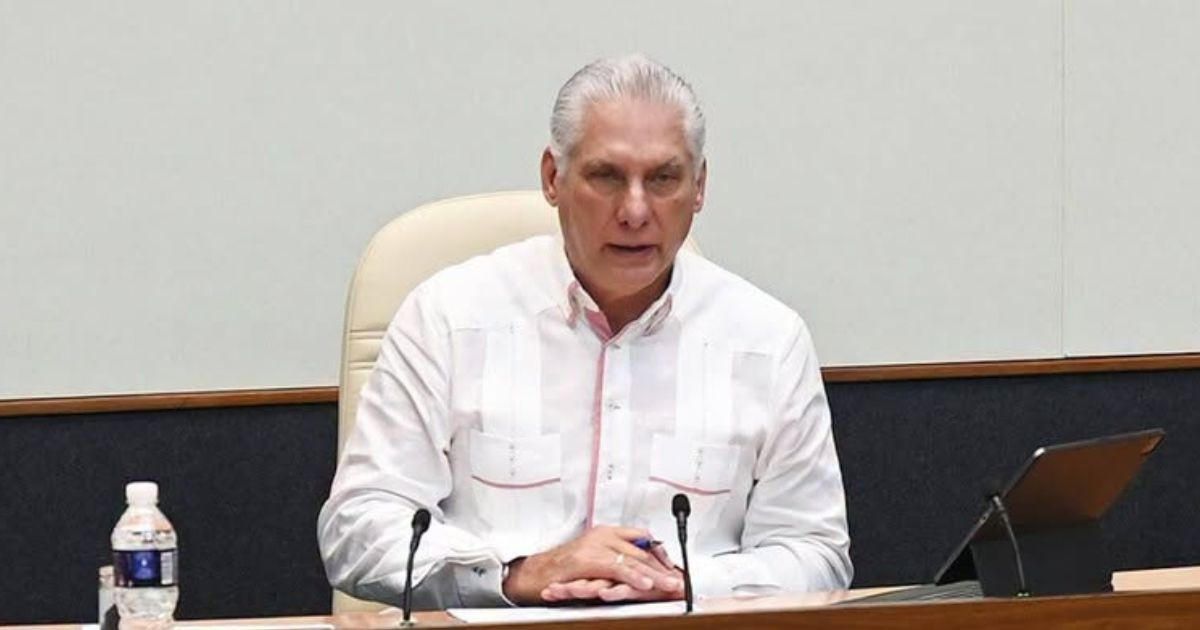
The measure was discussed this Tuesday during a meeting led by Miguel Díaz-Canel with executives and specialists from the hydraulic and electrical sectors, according to the Presidency of Cuba, which described water pumping as an "unpostponable task."
"During the meeting, it was reported that for the support of the first 29 selected supply sources and boosters, generator sets from distributed generation are being mobilized," the official report stated.
So far, nearly 70 sites have been inspected to assess how pumping can be maintained despite the lack of electricity.
Authorities expect that the measures will begin to bring about "a moment of change" in the critical situation over the coming months, although they did not provide a specific date for normalizing the service.
In addition to the generators, the Government announced its intention to seek greater energy independence for the hydraulic systems through photovoltaic solar parks, solar complexes, and energy storage systems in facilities deemed essential for supply.
Vice Prime Minister Inés María Chapman also urged addressing other issues that are not directly related to electricity, such as the operation of valves, the elimination of leaks, the protection of equipment, and the training of workers.
Díaz-Canel assured that the issue will have frequent checks.
Days before, he had visited the Paso Seco fountain in Boyeros, which is considered strategic for supplying water mainly to the south and center of Havana and is currently undergoing maintenance and recovery work.
The situation worsened on August 21 due to a rupture in a 78-inch main in the Southern Basin, affecting the service in Plaza de la Revolución, Diez de Octubre, Cerro, Centro Habana, Habana Vieja, and part of Boyeros.
The supply issue is particularly serious because the electricity and water crises are closely related.
Around 87% of the pumping system in Havana relies on electricity supply, so prolonged blackouts can also halt the facilities responsible for delivering water to homes.
In July, more than half a million residents of Havana were already facing supply issues. The combination of days without water and electricity has led to numerous citizen complaints.
The emergency solutions tested during August reflect the magnitude of the problem.
The authorities started installing 20 manual pumps in East Havana, a project officially introduced as an "innovative manual pumping system" and initially aimed at benefiting over 3,000 people.
Related videos:
Filed under: