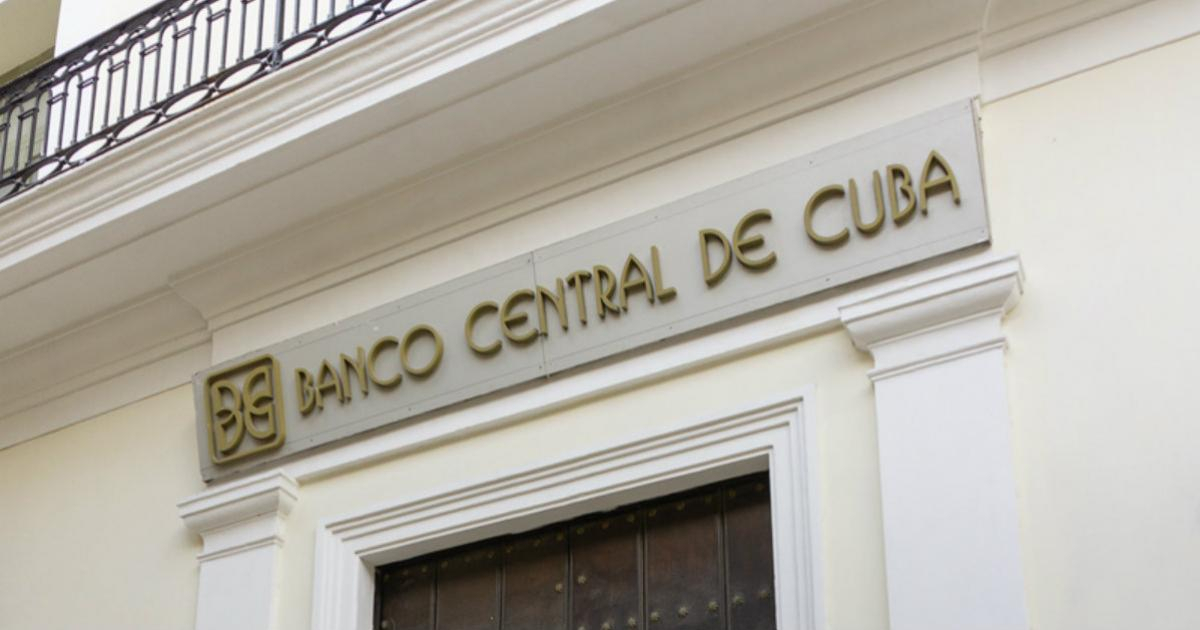
The Central Bank of Cuba (BCC) published a new procedure on Wednesday for the deposit of the initial capital required to establish small and medium-sized enterprises (mipymes), private companies with over one hundred employees, and non-agricultural cooperatives on the island.
The measure is outlined in the , included in the , and replaces Resolution 89/2024, which has been in effect since August 2024.
The new regulation will come into effect seven days after its publication and outlines the steps that future entrepreneurs and cooperatives must follow to validate the equity of their businesses with banks.
According to the regulation, applicants for membership must make their monetary contributions in banks authorized by the BCC. Once the application is received, the banking institution will have up to five business days to automatically open a checking deposit account exclusively for the initial capital.
Resolution 2/2026 from the National Institute of Non-State Economic Actors, published in the same Gazette, further specifies that applicants for membership will have up to five business days to make their capital contributions once the account is activated.
That account will solely serve the purpose of crediting the deposited funds and cannot be used for the ordinary operations of the business. "No money flows can be channeled to or from this current account based on the orders of its holders, nor can payment instruments or credit titles be used," the resolution stipulates.
The funds will also not generate interest, and banks may charge fixed fees for the services provided. Once the deposit is completed, the financial institution will issue the certification of the share capital necessary to continue the incorporation process before a notary.
If the company or cooperative is ultimately not established, the bank must refund the money to the appropriate party using the same method that was used to make the deposit.
Once the business is established and registered in the Commercial Registry, the process for opening the operational current account begins at the same branch where the initial capital was deposited. The registration also goes through the National Office of Tax Administration (ONAT), which has up to ten working days to register the new entity and subsequently send the information to the bank.
After receiving that information, the bank notifies the partners of the date and time they must visit the branch to sign the corresponding contract. From the moment the contract is signed, the bank has up to seven business days to open the checking account.
To formalize it, a certified copy of the deed of incorporation and the bylaws or regulations, identification of the representatives, a certificate of registration with the Commercial Registry, criminal records of the contributor, tax identification number, and the number from the National Office of Statistics and Information (ONEI) are required at a minimum. The bank may also request additional documents as part of its due diligence procedures.
Once the capital is transferred, the initial deposit account will be closed. Although each entity will operate its checking account at a single bank, the resolution also allows for the existence of expense accounts, fixed-term deposits, income accounts, and accounts linked to magnetic cards, as well as others connected to specific financing.
The new procedure is part of a broader regulatory framework. The from the Council of State modifies Decree Laws 88, 89, and 90 from 2024, which are related to private enterprises, cooperatives, and self-employed workers.
The stipulates that the establishment of these businesses will be processed through the Economic Actors Platform and grants the Municipal Development Directorate up to 20 business days to approve or deny an application.
The regulation even includes an exception in light of the energy crisis and connectivity issues affecting Cuba: when there are prolonged blackouts or a lack of connection, municipal authorities may temporarily process requests through a manual registry and subsequently update the platform when services are restored.
The provisions are part of the 176 measures announced by the Cuban government for the non-state sector, which include the elimination of the limit of one hundred workers for private companies and the possibility for an individual to be a partner in more than one enterprise.
Related videos:
Filed under: