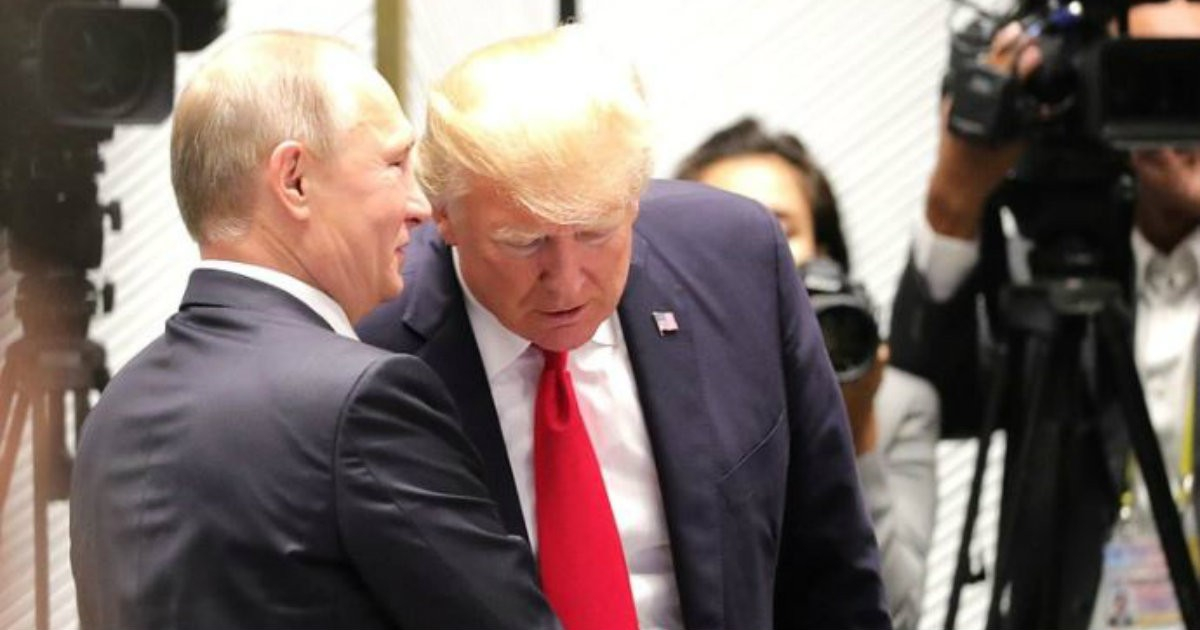
The U.S. president Donald Trump urged his Russian counterpart, Vladimir Putin, for a swift end to hostilities in Ukraine on Tuesday, during a one-hour phone conversation that both leaders described as "positive," the first since July 4.
The call came as a direct follow-up to the diplomatic tour over the weekend by White House envoys, Steve Witkoff and Jared Kushner, who visited Moscow and Kiev in an effort to revive peace negotiations that have been stalled since February of this year.
According to Yuri Ushakov, international policy advisor to the Kremlin, Trump "clearly expressed the idea that a prompt end to the conflict would be desirable, which would immediately pave the way for the full restoration of relations between the U.S. and Russia."
The U.S. president also expressed his personal interest in ensuring that this progress is achieved during his term, which ends in January 2029.
Putin, for his part, outlined to Trump the steps that Washington could "really" take to achieve a cessation of hostilities in a conflict that has already lasted more than four and a half years since it began in February 2022.
The Russian leader also took the opportunity during the call to dismiss any threat to the European continent: according to Ushakov, Putin emphasized that "we have not even considered aggressive plans regarding Europe," in response to the rising tensions with several countries in the region.
Both leaders agreed that diplomatic contacts will continue, and Washington remains hopeful of convening a tripartite meeting similar to the one held in Geneva last February.
However, diplomatic optimism clashes with reality on the ground. Following a 72-hour truce agreed upon between Russia and Ukraine coinciding with the arrival of envoys in Moscow, both parties resumed attacks on their respective capitals this Tuesday, with no concrete results from the negotiations.
The Russian Foreign Minister, Serguéi Lavrov, made Moscow's position clear on the matter: "Combat and diplomacy. I see no reason why they cannot develop in parallel and simultaneously, as has happened throughout history."
Lavrov justified this position by referring to the "deception" that Moscow claims to have experienced in 2022, when it withdrew troops from the vicinity of Kyiv as a "gesture of goodwill," only for Kyiv to later reject sealing peace under the negotiated conditions. "This policy is still in force today," he insisted.
Independent experts warn that Putin has hardened his stance in recent months and will not negotiate sincerely until he consolidates total control over the Donbas, a goal that the Kremlin hopes to achieve before the year ends, but analysts deem unlikely before winter.
In parallel to the Trump-Putin call, Hungary expelled 10 Russian diplomats on Tuesday for what it described as "unacceptable activities," while Germany maintains its accusations against Moscow over an incident involving a drone at Leipzig airport last August, tensions that Putin linked to the German electoral process.
The Kremlin, for its part, has announced a possible trilateral meeting between Putin, Xi Jinping, and Trump scheduled for November, which could mark the next milestone in the peace process.
Related videos:
Filed under: