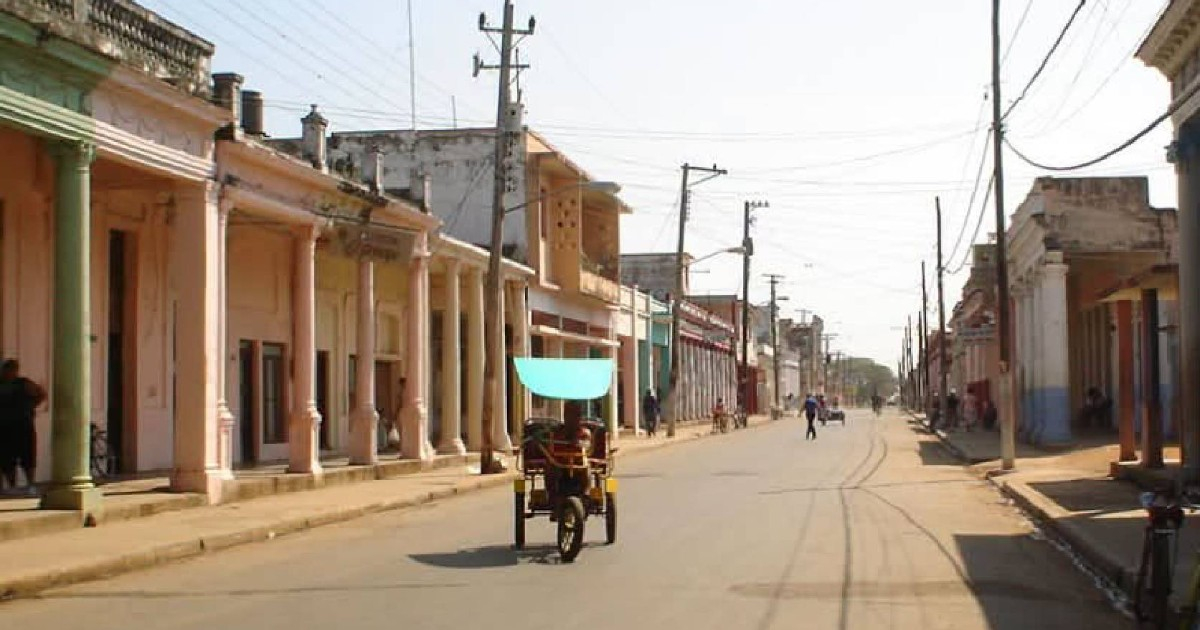
Families in an area of the municipality of Pedro Betancourt, in the province of Matanzas, have been without electricity for 26 days, according to a statement from the Alianza Democrática X La Libertad organization.
Residents in the area between La Línea and La Campana claim that the reason they have been without electricity for almost a month is the theft of dielectric oil from the transformers.
Dielectric oil serves as both a cooling and insulating agent in transformers; when it is extracted, the equipment can overheat, suffer short circuits, and become permanently unusable, leading to prolonged outages that can last for weeks or months.
Democratic Alliance for Freedom warned in its Facebook post: "26 days without electricity is not just a simple outage. It has been 26 days of abandonment, of families affected, and of authorities who must respond," and questioned the complete lack of response from local and provincial authorities.
The situation in Pedro Betancourt is not an isolated case in the province. In the town of Agramonte, the oil from the turbine transformer was stolen twice in less than two weeks, according to the same source.
"What is happening? Who is behind these thefts and who is protecting such an important facility?" asked the organization, which also questioned the police's actions: "If they can mobilize resources to monitor, pursue, and suppress those who protest or denounce what is happening, why is there not the same effectiveness in protecting public property?"
Matanzas is the province most affected by this phenomenon on a national scale. According to data from the station Radio 26, the province accounts for 60% of the diesel oil thefts in the country, with more than 90 transformers impacted.
Provincial authorities identified Pedro Betancourt among the municipalities with the highest incidence since May 2026, alongside Jovellanos, Los Arabos, Calimete, Martí, Perico, Colón, and Jagüey Grande.
The stolen oil is resold on the black market as a substitute for diesel for tractors and agricultural machinery, at prices ranging from 500 to 2,500 Cuban pesos per liter, according to state sources, in a context of severe fuel shortages on the island.
On September 5, the Cuban authorities admitted to over 460 criminal investigations opened for crimes against the National Electric System, of which more than 300 specifically correspond to thefts of dielectric oil in 97 municipalities.
The regime responded to the phenomenon with extreme penal tightening. Since Ruling 475/2025 of the People's Supreme Court, the theft of dielectric oil is classified as sabotage, with penalties ranging from seven to 30 years in prison and, in aggravated cases, up to life imprisonment or the death penalty. In August, a man was sentenced to 12 years in prison for stealing 120 liters of the liquid.
Despite the arrests and convictions, the robberies continue. Some Cuban communities have gone for up to 105 days without electricity due to damage to transformers that the government is unable to replace, highlighting both the critical situation facing the population and the regime's inability to safeguard basic electrical infrastructure.
"This situation reflects the neglect that the Cuban people experience. A government that demands, controls, and monitors every aspect of its citizens' lives, but when it comes time to ensure basic services and respond to a crisis, it is nowhere to be found," concluded the statement from Alianza Democrática X La Libertad.
Related videos:
Filed under: