The ICE immigration operations are causing worker shortages, delays in livestock processing, and additional costs in some of the main meat-producing areas of the United States, according to livestock associations from Texas, Oklahoma, and Kansas, which warn that these disruptions could further drive up prices for consumers.
The problems extend across different links in the chain, from the feeding and transport of livestock to their processing and distribution, according to Noticias Telemundo.
The associations Texas Cattle Feeders Association, Kansas Livestock Association, and Oklahoma Cattlemen’s Association assure that the increased presence of immigration agents has generated fear even among workers with legal documentation, causing absences and difficulties in maintaining the usual pace of operations.
«We do the hard work and the work that brings you the meat. And this is going to impact the entire country, not just us,» said Amy Soberanes from the organization Nueva Frontera to Telemundo.
The industry heavily relies on immigrant labor. According to data cited by Telemundo, more than 40% of the workers in the sector are immigrants; another report from the network estimated that approximately 42% is the proportion of employees born abroad in meat and poultry processing during 2024.
The effects have already been observed in the transportation of animals. Livestock organizations reported delays in the shipment of thousands of cattle to processing plants and claim that the interruptions have resulted in millions of dollars in losses and additional costs.
In some areas of Kansas, processing plants temporarily reduced their operations and had to return livestock to feedlots.
The Kansas Livestock Association warned that extending the stay of animals can lead to both financial issues and risks related to their management and health.
The effect is not limited to slaughterhouses. The associations mentioned disruptions in feedlots, dairies, meat processing facilities, feed and grain companies, livestock markets, and transportation centers, all reliant on a stable workforce to maintain production.
Telemundo also highlighted the case of Ana Ortiz, whose mother was detained while working at a meat processing plant.
The young woman recalled that since childhood she lived with the fear that her mother would be arrested by immigration authorities: "As a child, I always grew up with that pain and fear that one day they would take her away. And it happened."
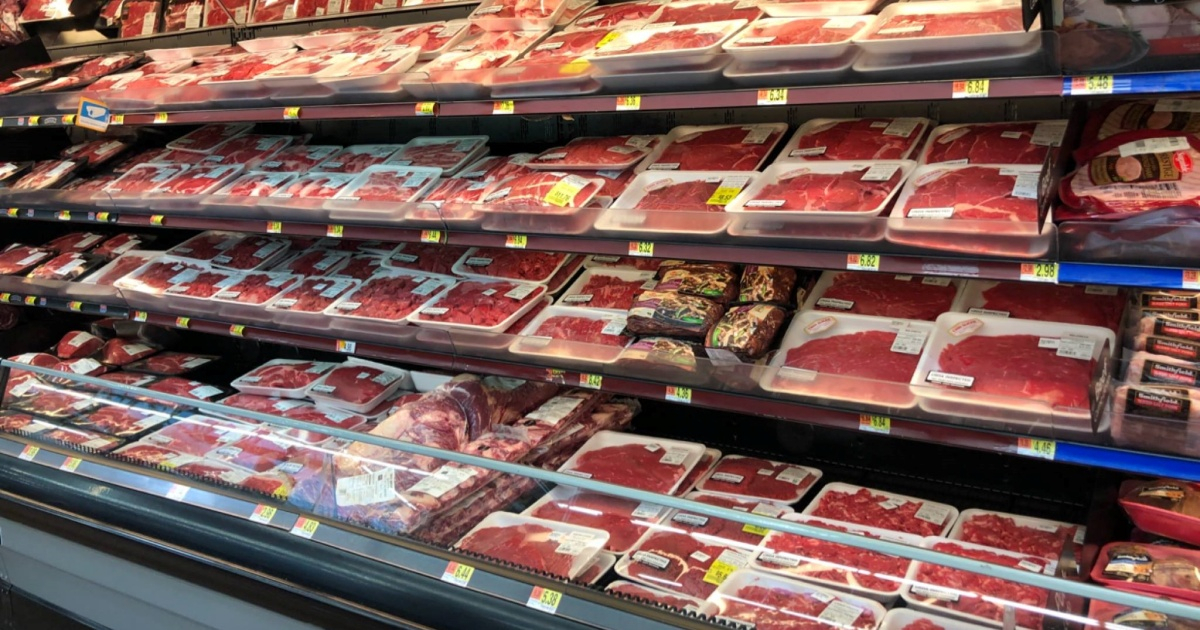
Producers warn that disruptions are occurring at a particularly sensitive time for the meat market. A pound of ground beef approached 7 dollars in August, about 10% more than a year earlier, according to data cited by Telemundo.
However, the current increase in meat prices cannot be solely attributed to immigration raids. The United States Department of Agriculture (USDA) indicates that the supply of beef remains limited and that federally inspected production was approximately 2% below last year's level. By 2026, the agency projects that the prices of beef and veal will rise by 9.4%.
Livestock organizations argue that the labor difficulties caused by migration operations represent an additional pressure on a supply chain that is already facing limited availability and other production costs.
Their warning is that delays and extraordinary expenses may ultimately be passed on to the consumer if the disruptions continue.
The Department of Homeland Security (DHS), for its part, has defended the intensification of immigration law enforcement. In light of the operations in Kansas, it confirmed the presence of federal agents and stated that ICE was focusing on individuals identified as dangerous criminals, although it did not provide a complete breakdown of those arrested at that time.
The livestock associations have not expressed opposition to the implementation of the immigration law, but they have called for more coordinated and transparent action to reduce the impact on legal workers and food production.
According to their warning, the fear generated by the operations is also affecting documented employees who choose not to show up for work.
The issue in the meat industry emerges amid signs that the economic impact of immigration operations is reaching very different sectors of the U.S. economy.
In Miami-Dade, small businesses have reported fewer customers, drops in sales, and workers leaving their jobs out of fear of encounters with ICE, including restaurants, food trucks, and other service establishments.
The effect has also been observed on families and education. In Doral, some parents have chosen to keep their children in virtual classes or hire others to take them to school out of fear of driving and encountering immigration officers.
In the labor market, a previously cited academic analysis found that the construction sector was one of the most affected by the increase in immigration arrests, with an estimated employment drop of 2.2% in the studied metropolitan areas, equivalent to about 102,000 jobs.
The same analysis estimated consumption losses between 3.1 billion and 14 billion dollars associated with the fear of immigrant communities to leave their homes.
Related videos:
Filed under: