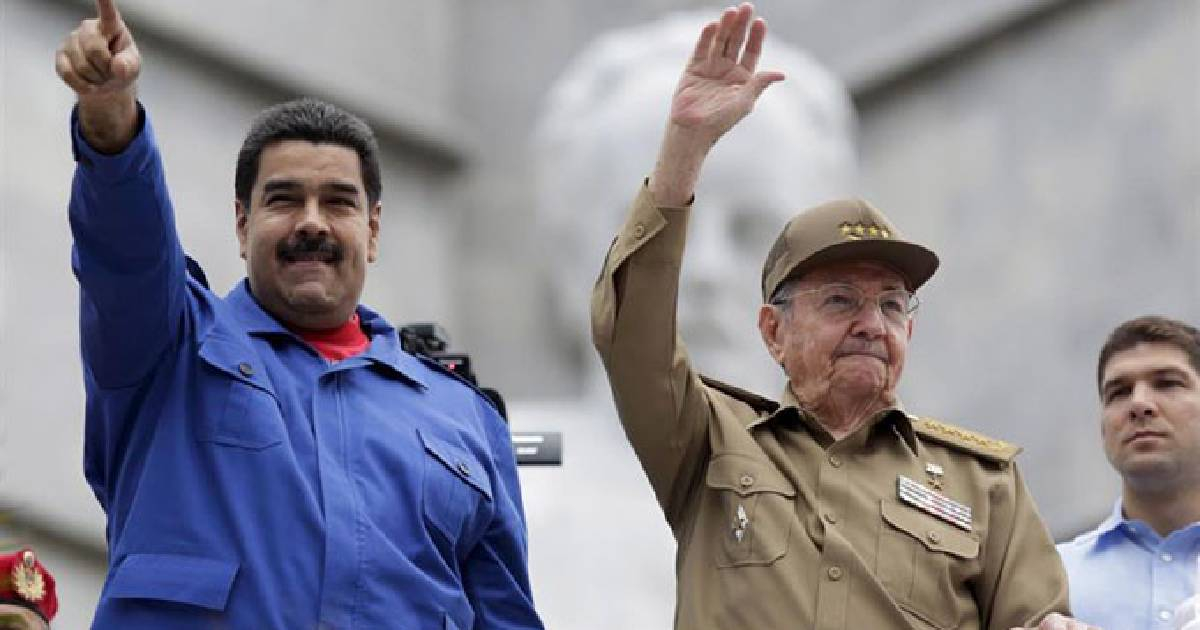
Nine months after the capture of Nicolás Maduro by U.S. special forces, the historic alliance between Venezuela and Cuba has been reduced to a cold and cautious diplomatic relationship, according to an analysis published this Wednesday by BBC News Mundo which documents signs of deterioration from both sides.
The collapse of what was referred to as a "strategic relationship" for more than two decades has a specific breaking point: January 3, 2026, when the U.S. military operation that captured Maduro in Caracas resulted in the deaths of 32 Cuban citizens —21 from MININT and 11 from the FAR— who were part of the security detail for the then Venezuelan president, the media reported.
His remains were repatriated to Havana on a Cubana de Aviación flight on January 15, 2026.
The energy blow was equally devastating, as Venezuela supplied Cuba with approximately 26,500 barrels per day of oil in 2025, nearly one third of what the island needs to operate.
Shipments stopped between January 3 and January 9, 2026, exacerbating an electrical crisis that had already been severe since 2024. Washington, by taking control of Venezuelan oil exports, kept the supply to the island blocked, the analysis states.
The official language of both governments today reflects a break that is no longer concealed. In September, the Cuban Deputy Foreign Minister Carlos Fernández de Cossío described Venezuela from New York, during the UN General Assembly, as a "friendly country" and noted that "ally" was "too strong a word."
Almost at the same time, the acting Venezuelan president Delcy Rodríguez did not mention Cuba in her speech at that same forum, something that BBC describes as unprecedented in about 20 years of Venezuelan interventions at the UN.
The Cuban vice chancellor distanced himself from Venezuela in a context where Rodríguez's government has begun a pragmatic approach to the Trump administration, while keeping the oil supply to the island suspended.
Experts consulted by EFE had already described the relationship in May as "completely stalled", a description that the following months only served to confirm.
The crumbling alliance was built in October 2000 with the signing of the Comprehensive Cooperation Agreement, which established the exchange of Venezuelan oil for preferential financing in exchange for Cuban professional services, primarily medical ones.
At its peak, Venezuela sent between 53,000 and 115,000 barrels per day to Cuba, becoming the economic pillar of the regime for two decades.
By the end of 2025, there were about 13,000 Cuban healthcare workers involved in the Barrio Adentro network and other cooperation missions in Venezuela, but the pressure from Washington accelerated the withdrawal of those missions in the months following Maduro's capture.
The capture of Maduro represented a direct blow to the regimes of Cuba, Russia, and China, which had supported the political and economic architecture of chavismo for years.
For Havana, the loss of its Venezuelan ally has no short-term replacement: Cuba produces only about 40,000 barrels daily, compared to a demand of around 110,000.
Related videos:
Filed under: