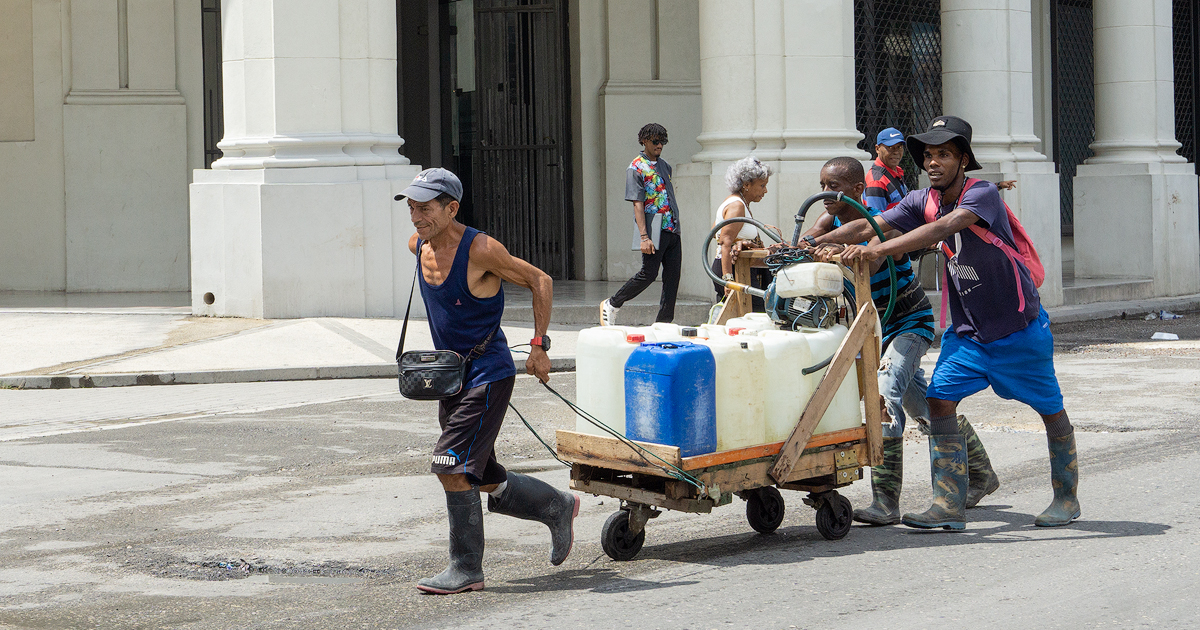
Pediatrician Vivian Mena Miranda, vice president of the Cuban Society of Pediatrics, warned about an increase in hepatitis and infections that cause diarrhea among Cuban children, amidst the crisis of drinking water and prolonged blackouts that hinder basic prevention measures. Her diagnosis raises a problem that goes beyond medical advice: how can we protect minors when many families do not have regular access to safe water?
"Without safe water, you cannot prevent diseases," acknowledged the specialist during an intervention on state television, according to the statements released this Friday, October 9. Mena Miranda also pointed out the circulation of viruses responsible for gastrointestinal conditions, including norovirus and rotavirus, and linked the risks to the consumption of contaminated water or food.
The doctor, whose role as vice president of the Cuban Society of Pediatrics is noted in her professional profile, emphasized hand hygiene, food safety, and breastfeeding as protective measures for young children. However, the information available about her appearance does not provide figures on pediatric cases, incidence rates, or a breakdown by provinces that would allow for quantifying the mentioned increase.
Millions of Cubans struggling to receive water
Warnings come just a week after authorities acknowledged that 2.7 million people were partially or totally affected by water service through networks. This figure, released at the beginning of October, represents approximately 35% of those who receive their supply through that system and does not mean that everyone was completely deprived of water.
In Havana and other provinces, breakdowns, losses in hydraulic networks, and dependence on electric pumping stations turn supply into a recurring problem. Power outages, in addition to interrupting pumping, prevent many households from boiling water when necessary and properly preserving perishable goods.
The contradiction between health recommendations and the living conditions of the population was already highlighted this week when a Minsap official urged to enhance food preservation despite acknowledging the electrical issues affecting refrigeration. Storing water for days without suitable containers or conditions to treat it can also increase health risks.
Minsap had already acknowledged the increase in diseases
The pediatrician's warning is not an isolated incident. At the end of September, the Deputy Minister of Public Health, Carilda Peña García, acknowledged in a report disseminated by the official press the seasonal increase in diarrheal diseases and hepatitis, and explained that their spread occurs in a context of deficiencies in environmental sanitation, water treatment, and waste collection.
CiberCuba reported then on this acknowledgement from the Ministry of Public Health and recalled an alert issued on September 4 by the United States Embassy in Havana regarding the increase of gastrointestinal diseases on the island. The diplomatic mission had listed, among the detected agents, norovirus, E. coli, and Shigella.
The difference in the new intervention is the emphasis on the child population. Babies and young children are especially vulnerable to fluid loss caused by diarrhea and vomiting. Hepatitis A, on the other hand, is a distinct infection from norovirus and rotavirus, although these agents may share transmission routes related to fecal contamination of food or water.
How to reduce risks for children
The Centers for Disease Control and Prevention (CDC) state that boiling water for at least one minute can inactivate numerous disease-causing microorganisms, including norovirus, rotavirus, and hepatitis A virus. They also recommend using safe water for food preparation and maintaining hygiene practices to prevent contamination.
In cases of childhood diarrhea, it is essential to prevent dehydration and seek medical assistance if warning signs appear, such as low urine output, dry mouth, crying without tears, unusual lethargy, persistent vomiting, or difficulty retaining fluids, according to the CDC health guidelines. In infants, breastfeeding should be maintained, and rehydration should be adjusted to their age and medical advice.
However, these individual measures cannot replace the obligation to ensure a regular supply of drinking water, sanitation, and energy. The crisis described by the Cuban health authorities exposes families to risks that do not solely depend on their hygiene practices, but rather on the deterioration of essential public services under state responsibility.
Related videos:
Filed under: