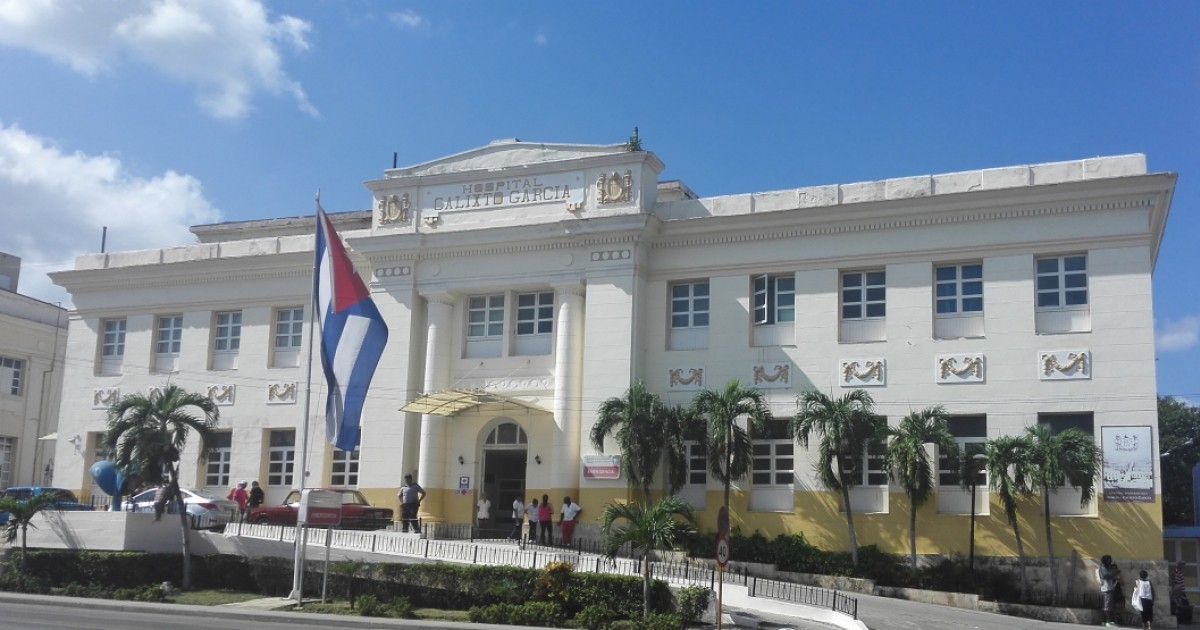
A research study by the independent Cuban organization Casa Palanca on corruption in the Island's healthcare system has won the Roche Health Journalism Award 2026 in the Written Journalism category, as announced by Roche Latin America and the Gabo Foundation.
The awarded work is “The Silent Privatization: Practices of Corruption in the Cuban National Health System”, by four Cuban journalists: Luzbely (Luz) Escobar, Mel Herrera, Laura Vargas, and Náyare Menoyo. It was chosen from 319 nominations in its category and 699 overall, coming from 20 countries in Latin America, Spain, and Portugal.
The jury, composed of Argentine-Brazilian science journalist Roxana Tabakman and Spanish journalist Nuño Domínguez, highlighted the report's ability to turn "individual experiences into evidence of a systemic phenomenon."
"It is a research undertaking of significant social relevance, addressing an extremely sensitive issue that is difficult to document in a context of deep institutional opacity. (...) It investigates a structural problem of great public interest: corruption in access to healthcare. It is an exceptional testimony to the dire situation facing the Caribbean country and a remarkable journalistic initiative that navigates censorship on the Island," the official statement clarifies.
"The silent privatization..." dismantles the Cuban regime's narrative about the free and universal nature of public healthcare. Based on a survey of 2,141 residents in Cuba conducted by CubaData in early 2025, the text reveals that 74.3% of those who sought medical attention in 2024 paid for services or medications that should be free, and that 78% turned to personal contacts to obtain assistance.
Other survey results are equally striking: 52.2% of respondents refrained from seeking care due to being unable to afford informal costs, and 82.4% believed that corruption in the healthcare sector was "widespread" or "very widespread."
The report includes testimonies that illustrate the magnitude of the problem. Alexis Domínguez, a 45-year-old from Havana with kidney stones, recounted that an official at the Hermanos Ameijeiras Hospital demanded $150 just to connect him with the surgeon who would operate on him. "In that hospital, everything runs on money. It's a mafia there," he stated. Another case documents the death of an elderly man from a heart attack while his family was gathering 5,000 Cuban pesos—about $13—that an ambulance driver demanded to respond to the emergency.
The research also reveals how patients themselves must purchase basic supplies such as gloves, dressings, IV fluids, and syringes in the informal market in order to have surgery, and how medications diverted from the public system are resold at inflated prices. According to cited data, more than 50% of the essential medication list was unavailable in state pharmacies at the time of publication.
Casa Palanca operates in an environment where non-state media are formally prohibited in Cuba, and independent journalists face detention, surveillance, and restrictions. The collective was founded in 2021 by women journalists and activists both inside and outside the Island. Luz Escobar, one of the co-founders, left Cuba in October 2022 after years of harassment and currently resides in Madrid.
The award comes at a time when the Cuban health crisis is recognized even by the regime itself: the Minister of Public Health, José Ángel Portal Miranda, admitted before the National Assembly in July 2025 that Cuba was experiencing an "unprecedented structural crisis" and that only about 30% of the essential medication stock was available.
Related videos:
Filed under: