History demands us to change our lenses. Not to alter facts, adapt them to our preferences, or justify certain figures, but to understand them within the circumstances of their time and subject our own conclusions to ongoing scrutiny.
The questions of the historian inevitably arise from the concerns of their era. Each generation revisits the past, uncovers previously ignored aspects, and challenges interpretations that once seemed definitive. This exercise does not represent a weakness of history, but rather one of its greatest strengths.
The error begins when we judge the men and women of other times solely by the values of the present, as if they had lived in our society, enjoyed our knowledge, and faced the same choices. Understanding the circumstances does not mean absolving blame, just as acknowledging merits does not require hiding mistakes.
Let’s think about Carlos Manuel de Céspedes. His place in Cuban history does not vanish because we critically examine his contradictions, political decisions, or the conflicts that defined the Ten Years’ War. It would also be unfair to overlook those difficulties in order to portray him as a flawless figure. His historical greatness must be understood through his actions, circumstances, and human limitations.
The same is true of Cuba's history. Our nation was built through sacrifices, civic aspirations, and acts of heroism, but also through mistakes, rivalries, prejudices, and wrong decisions. None of this diminishes its greatness or its role as a creative process in the formation of our national identity.
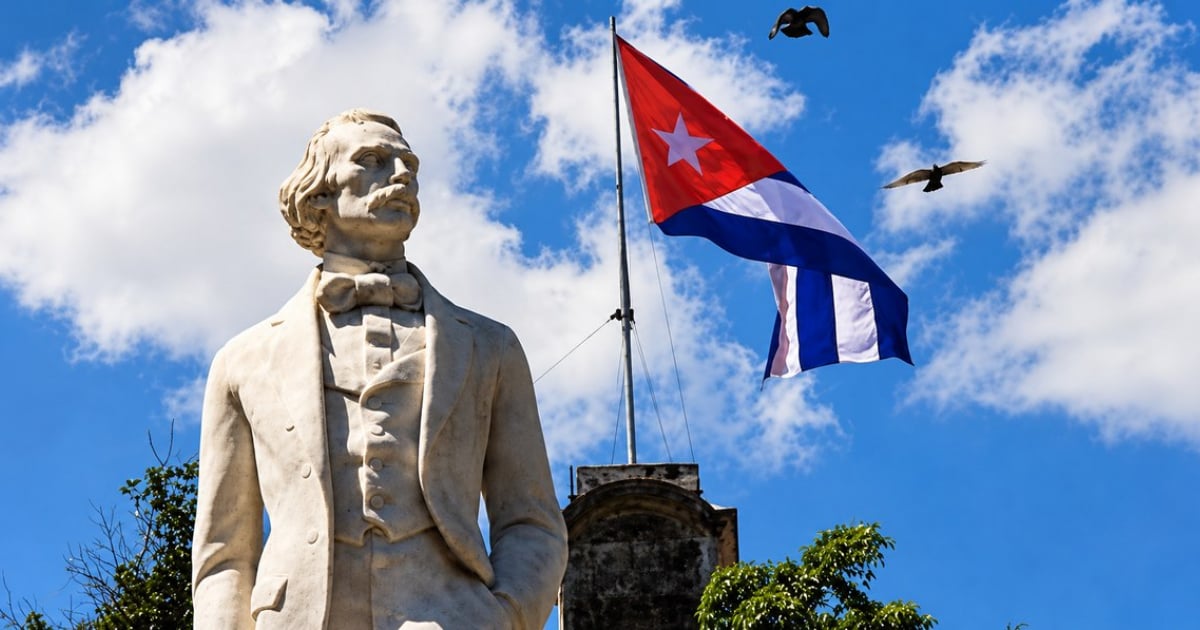
History was not created by robots or by beings made of marble. It was, and continues to be, the result of real people, with virtues and flaws, capable of great sacrifices and also of making serious mistakes.
Therefore, prioritizing mistakes over merits, or merits over mistakes, constitutes a way of impoverishing historical knowledge. Both are part of the same reality and should be examined rigorously, without complacency or premature condemnation.
Changing our perspective is about reexamining our interpretations without disregarding the facts. The historian must be willing to correct themselves when the sources, the evidence, or a deeper understanding of the circumstances demand it.
Historical truth does not require perfect heroes or absolute villains. It needs research, intellectual honesty, and the ability to distinguish between what actually happened and the judgment we make about it.
Because the past does not change, but our understanding of the past can and must change.
That is one of the historian's essential responsibilities: not to write the history they would like to find, but to try to understand and explain, increasingly better, the history that actually occurred.
Related videos:
Filed under:
Opinion article: Las declaraciones y opiniones expresadas en este artículo son de exclusiva responsabilidad de su autor y no representan necesariamente el punto de vista de CiberCuba.