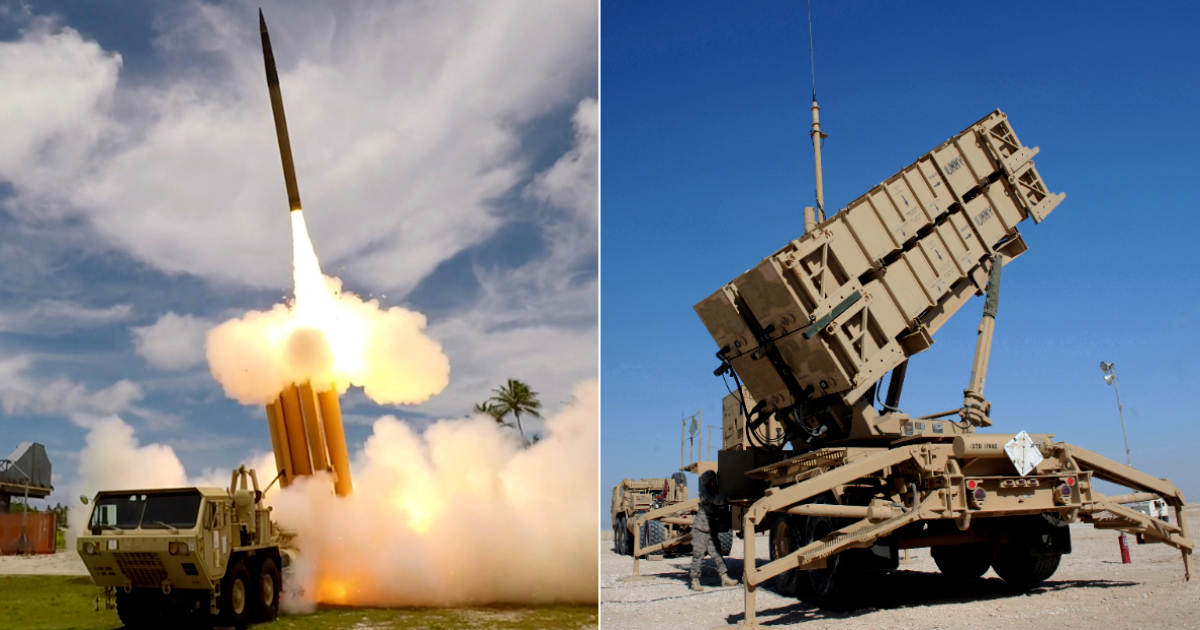
The military coalition led by Saudi Arabia announced this Saturday the interception and destruction of two ballistic missiles launched by Yemeni Houthis aimed at the cities of Taif and Yanbu, according to Reuters.
The Saudi Civil Defense issued preventive alerts in both cities, as well as in Mecca and Jeddah, which were lifted approximately ten minutes later upon confirmation that the threat had been neutralized.
The incident occurs amid a sustained escalation of Houthi attacks against Saudi territory that has intensified throughout October 2026, becoming the deadliest wave recorded in the kingdom in over a decade.
The most serious incident in this campaign occurred on October 10, when an attack on King Khalid International Airport in Riyadh left at least 12 dead —including one American citizen— and 309 injured, according to the Saudi General Authority of Civil Aviation.
An Indian victim subsequently died from their injuries, raising the toll to 13 dead. The coalition spokesperson, General Turki al-Maliki, described that attack as a "war crime."
The accumulated balance communicated by the coalition as of October 15 indicated 19 dead and 364 injured in attacks on five Saudi airports: Riyadh, Abha, Jizan, Najran, and Dammam. From October 1 to October 11 alone, the Houthis launched at least 20 attacks on the capital's airport.
In the days leading up to the incident on Saturday, the coalition had already reported the interception of a ballistic missile aimed at Riyadh on Friday, two missiles towards Jizan Mushait on October 18, and a missile towards Yanbu along with cruise missiles and drones on October 16.
This pattern of attacks reflects a qualitative shift in the Houthi strategy: the Iranian-backed group has moved from focusing its actions against commercial vessels in the Red Sea to launching a systematic campaign of ballistic missiles and drones against Saudi cities and civilian infrastructure.
The escalation occurs alongside a growing tension between the United States and Iran, the main sponsor of the Houthis.
Washington has deployed massive military reinforcements in the region: the aircraft carrier USS Theodore Roosevelt departed from San Diego at the end of September bound for the Middle East, joining the USS George H. W. Bush and the USS George Washington already present, with an additional 9,000 to 10,000 troops in the area.
The president Donald Trump threatened on October 19 to resume or escalate attacks against Iran and warned that Washington would make a decision "soon" if Tehran did not change its course.
On the same day, the State Department issued an alert for American citizens in the Middle East, noting the Houthi attacks on civilian airports and critical infrastructure in Saudi Arabia.
Tehran, for its part, has conditioned any negotiations on the prior lifting of U.S. pressures and sanctions.
The Iranian Foreign Minister, Abbas Araghchi, warned that "choosing war over diplomacy will result in a greater strategic failure," although he emphasized that Iran remains "willing to negotiate if the United States demonstrates a sincere intent to build trust and reach a fair solution."
Indirect conversations between Washington and Tehran remain stalled due to disagreements over the Iranian nuclear program, sanctions, and control of the Strait of Hormuz, while the Iranian Revolutionary Guard has threatened to consider vessels that turn off their navigation systems in this strategic passage as hostile.
Related videos:
Filed under: