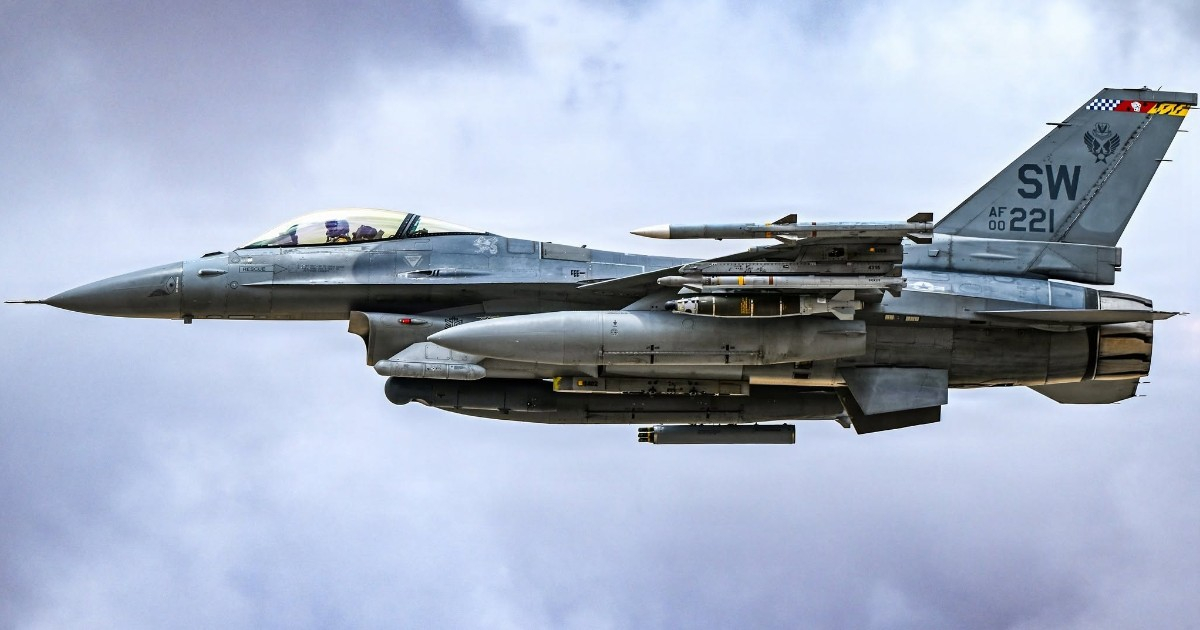
The U.S. military forces deployed in the Middle East are prepared to carry out large-scale operations against Iran within 96 hours of President Donald Trump issuing the order, according to two government officials who spoke to CNN on Monday.
Sources specified that the contingent already deployed in the region is sufficient to carry out attacks, and that the scope of potential operations would far exceed the maintenance actions of the statu quo carried out since Trump halted full-scale combat at the beginning of the year, as part of Operation Epic Fury.
"It will be a great effort", said one of the officials to CNN.
Active and former officials familiar with internal military plans agree that the question is not if Trump will give the order, but when, and they estimate it could happen at any moment before the end of the year, although it is most likely to occur after the midterm elections on November 3.
The Pentagon and Central Command (CENTCOM) have developed an extensive list of targets that includes Iranian energy infrastructure, military facilities, and nuclear sites.
A senior Pentagon official stated to CNN: "The Department is a planning organization, and its job is to develop and execute the military options ordered by the president."
The White House declined to comment.
Officials acknowledge that Iranian forces are now more familiar with U.S. tactics, making it harder to destroy all targeted objectives. Nonetheless, they note that Trump appears to be leaning towards greater action, although they warn that in the past he has sent similar signals only to backtrack later.
The backdrop of this escalation is the intelligence warning issued on October 23 by the Director of National Intelligence, Jay Clayton, in an unclassified memo addressed to Secretary of State Marco Rubio: Iran “has significantly increased its efforts to target U.S. personnel” and the plans “have reached advanced stages both in the Middle East and in certain other countries.”
In response to that threat, the U.S. alerted its citizens in the region and began quietly withdrawing personnel from its embassies. The diplomatic mission in Riyadh, Saudi Arabia, is the only one under a formal evacuation order, but others will receive similar directives or will be scaled down to meet personnel limits. Additionally, non-essential military personnel scheduled to join the next troop rotation have been notified that they will no longer be deployed.
Admiral Brad Cooper, commander of CENTCOM, flew over the Strait of Hormuz on Sunday in a helicopter to oversee the naval blockade and demining operations. "We continue to stand shoulder to shoulder with our Gulf partners and the shipping industry," Cooper stated. A U.S. official acknowledged that the statu quo in the strait is "unsustainable" in the long term, and that this situation could push Trump towards military action.
Regarding Israel, Prime Minister Benjamin Netanyahu urged Trump to launch a joint attack before the Israeli elections on Tuesday, but he did not receive the green light. "Netanyahu really wanted to and tried to convince Trump for a joint attack on Iran before the elections, and Trump did not give the green light," said a source from Israeli security to CNN. The Prime Minister's office labeled the report as "fake news."
The chief of staff of the Israel Defense Forces, Eyal Zamir, reportedly warned U.S. General Dan Caine, chairman of the Joint Chiefs of Staff, that an attack would adversely affect the Israeli elections and could lead to their postponement.
Israel appears to have postponed its plans for new attacks in the short term, but it is preparing for joint operations with the U.S. following the midterm elections.
The plans are ready, awaiting Trump's approval, which could come after the midterm elections, noted a source familiar with military planning.
Related videos:
Filed under: